A Malabar Mappila pan-baked sweet cake of ripe Nendran plantain slices fried in ghee, folded with beaten eggs, sugar, cardamom, cashew nuts, and raisins, then slow-cooked under a tight lid until set and golden-edged. Bound to Ramadan iftar tables and nercha feasts throughout northern Kerala.



Kaipola belongs to the domestic repertoire of the Malabar Mappila Muslim community — the population descended from centuries of intermarriage between Arab spice traders and local Malayalam-speaking women along the Malabar Coast. The community's deep affinity for combining Nendran plantains with eggs appears across their repertoire, in unnakkaya (banana rolls stuffed with coconut and egg) and in egg-forward breakfast preparations. Kaipola is bound especially to Ramadan, prepared for evening iftar gatherings and nercha religious observance feasts, as well as for weddings. The 'pola' family of pan-set egg cakes — including irachi pola with spiced minced meat and thari pola with semolina — forms a distinctly Malabar genre within Kerala's broader sweet tradition, produced in domestic kitchens and transmitted through women's knowledge rather than formal culinary record.
A Kaipola wedge offers three distinct moments: the yielding interior where banana and egg have set into a moist, dense crumb; a sudden burst of sweetness from a ghee-fried raisin; and the crisp, caramelized crust where banana sugars hardened against the pan. Cardamom perfume rises with every bite; ghee richness coats the palate throughout.
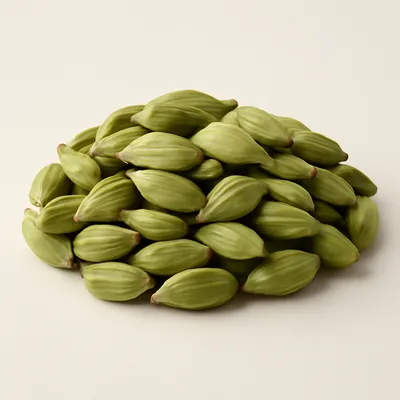
Frying the plantain slices in ghee first triggers Maillard reactions between the banana's amino acids and its abundant fructose, building a caramel crust that deepens flavor and stabilizes the slices from disintegrating in the egg batter. During the covered slow-cook phase, egg proteins — primarily albumin — coagulate progressively between 70 and 80°C, trapping banana pieces in a firm but moist gel network. The banana's pectin softens further under sustained heat, contributing additional body. Cardamom's volatile aromatic compounds, principally 1,8-桉叶素 and alpha-terpineol, are fat-soluble and migrate into the ghee throughout cooking, distributing fragrance evenly through the set cake.
Variations
Across northern Kerala, the same egg-set technique produces irachi pola with spiced minced meat and thari pola with semolina. Kaipola can be baked in a preheated oven at 180°C for 25 minutes with identical results. Some households add a thin layer of grated coconut to the pan base before pouring the batter, yielding a crispier coconut-scented crust.
On the Palate
Where Kaipola sits in the Indian flavor cloud
Ingredients
Serves 4
How it's made
7 steps · 15 min
- 13 min
Peel the ripe Nendran plantains and slice into 1-inch rounds.
- 210 min
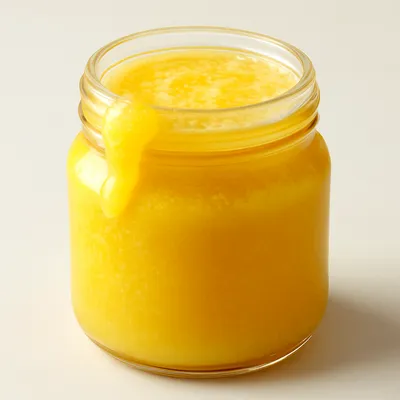
Heat 2 tablespoons of ghee in a heavy-bottomed pan over medium heat; add the plantain slices and fry, turning once, until both sides are deep golden — about 8 minutes. Transfer to a plate and allow to cool completely.
Watch outFry the plantain slices to deep golden on both sides — that caramel crust deepens the flavor and stops the pieces breaking up in the egg later.
- 35 min
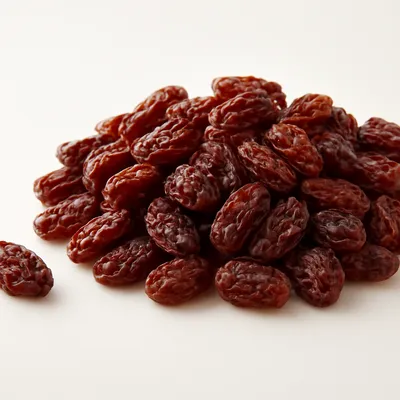
In the same pan, fry cashew nuts and raisins in a little ghee until the cashews turn pale gold and the raisins plump; remove and set aside.
- 44 min
In a large bowl, whisk together eggs, sugar, cardamom powder, and a pinch of salt until the sugar is fully dissolved and the mixture is pale.
- 53 min
Fold the cooled fried plantain slices, fried cashews, raisins, and grated coconut into the egg mixture gently.
- 630 min
Generously coat the base and sides of the heavy-bottomed pan with ghee; pour in the egg-plantain mixture and spread evenly; cover with a tight lid and cook over the lowest possible flame for 25 to 30 minutes, until a skewer inserted into the center comes out clean.
Watch outCook covered on the lowest flame until a skewer comes out clean — the egg sets slowly into a moist gel; too high a heat browns the base before the center sets.
- 75 min
Remove from heat, allow to rest for 5 minutes, then invert onto a plate and cut into wedge-shaped pieces. Serve warm or at room temperature.
Archive tool suggestions — not reviewed
These legacy suggestions have not been evidence-reviewed and are not presented as required tools.


