A Gujarati festival sweet of coarse cracked wheat toasted in ghee until fragrant, then simmered with jaggery to a soft, moist halwa. Prepared at weddings, housewarmings, and auspicious ceremonies, lapsi is served as prasad after puja, marking the completion of prayer with a communal sweet offering.

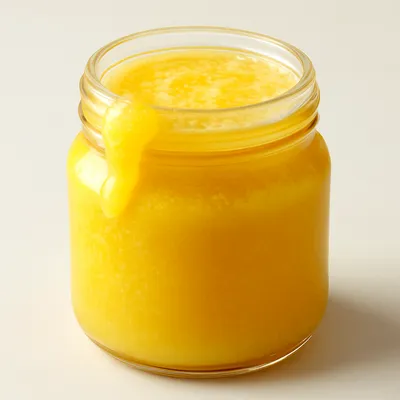


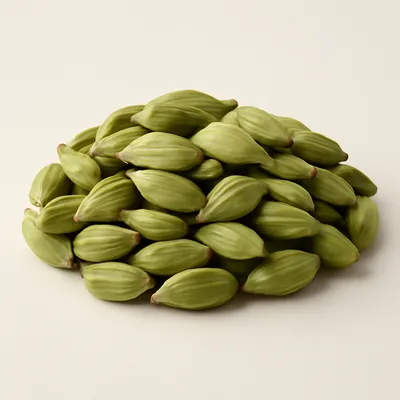

Cracked wheat has been a staple grain across Gujarat and Rajasthan for millennia, and the technique of toasting grain in fat before simmering appears across several regional Indian sweet traditions. In Gujarat, lapsi occupies a central place in ritual cooking: it is prepared for joyous events such as weddings, the birth of a child, and housewarmings, and in some communities also during mourning observances, underscoring its deep ritual significance. The dish is offered as prasad at temple pujas and home ceremonies, and its simplicity—three or four ingredients, one pot—has kept it essentially unchanged across generations of Gujarati households.
Soft and moist with a gentle chew from the swollen cracked wheat kernels; jaggery adds warm molasses depth while the ghee provides a rich, unctuous coating. Served warm, it is denser and more substantial than a porridge, sitting closer to a loose, moist halwa.
Toasting cracked wheat in ghee at around 120–140 ℃ drives off surface moisture and triggers Maillard reactions in the outer bran layer, producing a nutty, caramelized aroma. When water is added, starch granules gelatinize starting at 55–65 ℃, swelling and softening the grain. Jaggery is added late in cooking to preserve its mineral-rich character and volatile flavor compounds responsible for the molasses note; prolonged high heat would drive off these aromatics, leaving only flat sweetness.
Variations
A Rajasthani version uses finer cracked wheat and is less sweet, sometimes made without jaggery during mourning periods. Home cooks often add broken cashews, raisins, or almonds fried in ghee. Winter versions include dry ginger powder and a pinch of black pepper as warming spices. In some households, green cardamom and a few saffron strands are added for a more festive flavor.
On the Palate
Where Lapsi sits in the Indian flavor cloud
Ingredients
Serves 4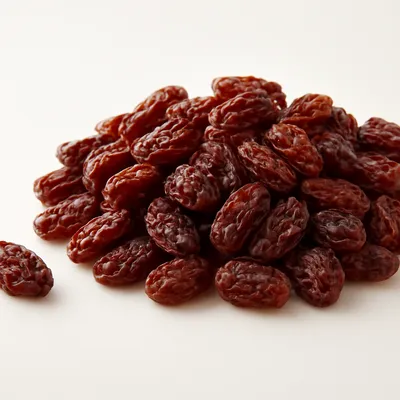
How it's made
7 steps · 10 min
- 13 min
Rinse the cracked wheat briefly under cold water, drain well, and set aside; grate or crumble the jaggery and measure out warm water.
- 22 min
Heat ghee in a heavy-bottomed pan over medium heat until shimmering; add cashews and raisins, fry for 1 minute until lightly golden, and remove with a slotted spoon.
- 38 min
Add the drained cracked wheat directly to the hot ghee; stir and toast over medium heat for 6–8 minutes until golden and fragrant, with a distinct nutty aroma.
Watch outToast the cracked wheat in ghee until golden and nutty — this browning is the whole flavor of lapsi; pale grain tastes flat.
- 42 min
Carefully pour in the warm water, stirring well to combine; bring to a boil, then reduce heat to low.
- 514 min
Cover the pan and simmer for 12–15 minutes, stirring every 3–4 minutes, until the cracked wheat is fully soft and the water is mostly absorbed.
- 63 min
Uncover, add the grated jaggery and cardamom powder, stir well, and cook for a further 2–3 minutes until the jaggery dissolves completely and the mixture thickens to a moist, cohesive halwa consistency.
Watch outAdd the jaggery only near the end — boil it long and hard and its molasses aroma cooks off, leaving flat sweetness.
- 72 min
Fold in the fried cashews and raisins, remove from heat, and serve warm in bowls.


