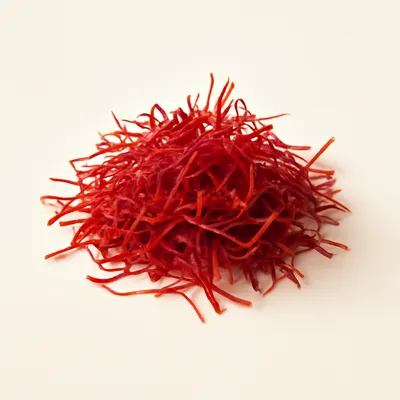
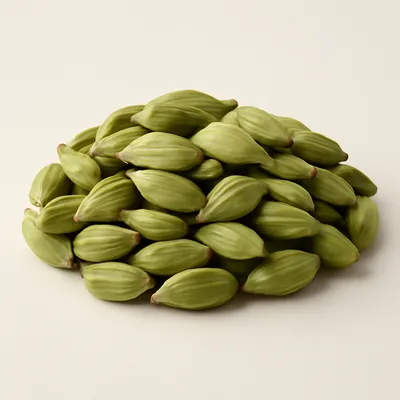
A dense, luscious Hyderabadi royal dessert of slow-cooked grated bottle gourd, sago pearls, and rice simmered for hours in whole milk, enriched with sautéed khoya and cashew paste, perfumed with saffron, cardamom, and rose water — traditionally served in small earthenware bowls at weddings and Eid feasts.


The Persian-Urdu name means 'clay of paradise,' evoking both the dense pudding texture and the small earthenware kasore bowls in which it is traditionally served. Gil-e-Firdaus is among the most labor-intensive dishes of the Nizam-era Deccan royal kitchen, requiring hours of continuous stirring and no departure from the pot. A prominent Mughal-influenced Deccani court sweet, it remains today a fixture of Hyderabadi wedding dastarkhwans and Ramadan street stalls around Charminar.
Silky and thick — somewhere between a rice pudding and a set custard; bottle gourd has dissolved entirely, leaving only mild sweetness. Layers of khoya nuttiness, saffron's faint metallic note, and rose water's floral finish linger in sequence. Chilled it firms into a spoonable set; warm it pours like very thick cream.
Extended low-heat simmering (30–45 minutes) drives Maillard reactions between milk lactose and proteins, building nutty, caramelized depth without scorching. Bottle gourd, at ~96% water by weight, continuously releases moisture into the milk phase, extending the concentration process while contributing mild sweetness; its polyphenol oxidase causes rapid enzymatic browning if the gourd is grated in advance, so it must be processed immediately before cooking. Sago starch granules gelatinize at 65–70°C, providing the pudding's thickening backbone. Pre-sautéed khoya undergoes a second Maillard cycle in ghee, amplifying caramelized aroma before joining the main pot. Cashew paste supplies emulsifying fats and proteins that smooth the final texture. Rose water is stirred in off-heat to preserve its volatile aromatic compounds.
Variations
Some Hyderabadi families insist the authentic version contains no bottle gourd — only rice and khoya — arguing the gourd version is actually a separate preparation called kaddu ki kheer; wedding versions are chilled in earthenware and served cold; a condensed-milk shortcut version exists but lacks the depth of the multi-hour reduction.
On the Palate
Where Gil-e-Firdaus sits in the Indian flavor cloud
Ingredients
Serves 6

How it's made
8 steps · 15 min
- 15 min
Grate the bottle gourd on the coarse side of a grater immediately before use (polyphenol oxidase causes rapid browning if grated ahead); squeeze out excess water firmly with your hands.
Watch outGrate the bottle gourd only at the last second and squeeze it dry — grated ahead, it browns fast, and the extra water thins the pudding.
- 220 min
Bring full-fat milk to a gentle simmer in a heavy-bottomed pot over medium-low heat; add grated bottle gourd and cook, stirring frequently, for 20 minutes until softened and nearly dissolved into the milk.
- 315 min
Add pre-soaked sago pearls and finely ground basmati rice; stir well and continue simmering over low heat for 15 minutes, stirring constantly, until sago pearls are fully translucent and the mixture thickens noticeably.
Watch outSimmer the sago until the pearls turn fully translucent — any white core means it's under-cooked and will stay chalky.
- 45 min
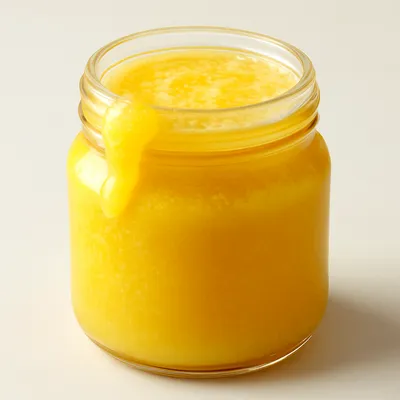
In a separate small pan, sauté crumbled khoya in a teaspoon of ghee over medium heat, stirring, until lightly golden (about 4–5 minutes); add to the milk pot and stir to combine.
- 510 min
Add sugar, saffron steeped in a tablespoon of warm milk, cardamom powder, and cashew paste; simmer on low heat for 10 more minutes, stirring continuously, until the mixture reaches a thick, pudding-like consistency.
- 62 min
Remove the pot from heat; stir in rose water (added off-heat to preserve its volatile aromatics).
Watch outStir the rose water in off the heat — its aroma is volatile and boiling it away leaves the pudding flat.
- 75 min
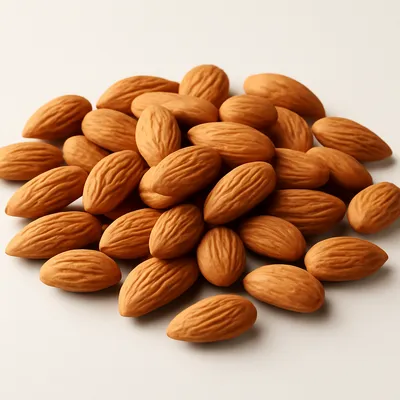
Ladle into small earthen bowls or glass cups; scatter slivered almonds and crushed pistachios on top.
- 8150 min
Serve warm immediately, or refrigerate for 2–3 hours until set and thoroughly chilled; texture firms considerably when cold.