A ceremonial Mughal rice dish perfumed with Kashmiri saffron bloomed in warm milk and rosewater, cooked with whole Mughal spices, and garnished with fried onions, toasted slivered almonds, and soaked raisins; its vivid golden color was a symbol of imperial opulence and it remains the prestige rice at North Indian weddings.

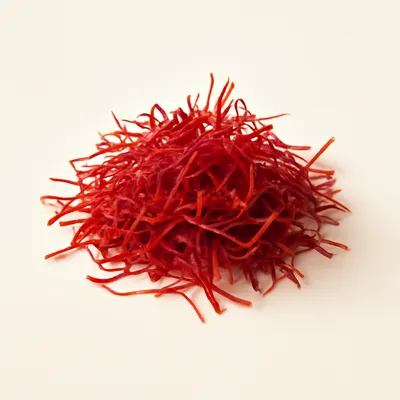



Saffron cultivation in the Kashmir Valley is traditionally traced to antiquity, with Persian traders credited by legend with establishing corm cultivation around Pampore. Saffron rice preparations entered the Mughal imperial kitchen during Akbar's reign (1556–1605); Abu'l-Fazl's Ain-i-Akbari catalogued zafrani (saffron-based) dishes among the court's prized preparations. Zafrani pulao stands in the tradition of Mughal celebration cooking — rosewater, dried fruits, and silver leaf elevating plain pulao into a display of imperial abundance — a tradition that persisted through Nawabi Lucknow and continues at North Indian weddings today.
A spoonful opens with the honeyed warmth and faint metallic sweetness characteristic of saffron, rose and cardamom following in soft floral waves; the basmati grains are long, dry-firm, and lightly sweet from the milk, underscored by the richness of ghee; crunchy fried onions and plump raisins punctuate the texture.
Blooming saffron in warm full-fat milk (55–65 °C) rather than water is critical: the fat globules in the milk dissolve crocin — the carotenoid pigment responsible for saffron's gold — far more efficiently than water, producing a deeper, more even color throughout the rice. Safranal, the volatile aldehyde that carries saffron's characteristic aroma, is heat-labile, so adding the saffron-milk late in cooking preserves its fragrance. Rosewater's delicate aromatics — geraniol and citronellol — would also dissipate if added too early, and so likewise go in near the end. The caramelized fried-onion garnish generates Maillard-reaction pyrazines and furfurals that provide caramel depth against the saffron's floral sweetness.
Variations
A sweet version (meetha zafrani pulao) adds more sugar and dried fruit and is sometimes served as a dessert course; the Kashmiri version incorporates dried cockscomb flowers for additional vivid color; some preparations fold in lightly browned paneer cubes or mixed nuts for added texture and protein.
On the Palate
Where Zafrani Pulao sits in the Indian flavor cloud
Ingredients
Serves 4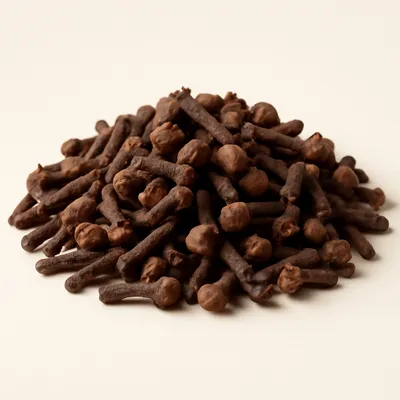


How it's made
7 steps · 30 min
- 120 min
Bloom saffron: soak a generous pinch of saffron strands (about 1/4 tsp) in 3 tablespoons of warm full-fat milk for 20 minutes until the milk turns deep gold; set aside.
Watch outBloom the saffron in warm milk, not water — the milk fat pulls out far more of its gold color; twenty minutes turns the milk deep amber.
- 235 min
Wash basmati rice until water runs clear, soak in cold water for 30 minutes, then drain.
- 315 min
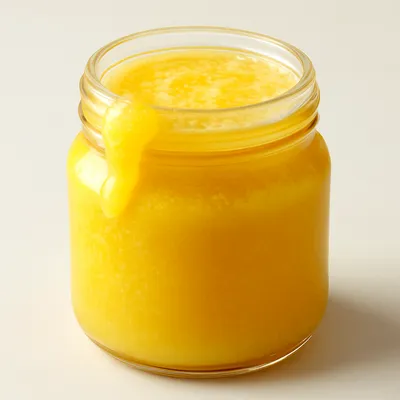
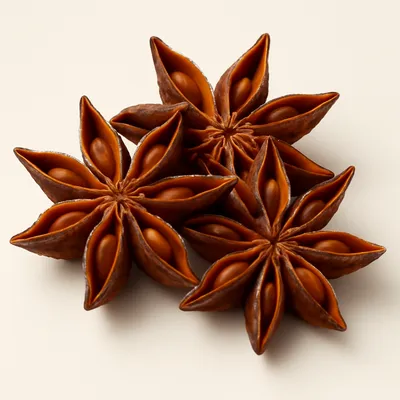
Heat ghee in a heavy pot over medium heat; fry thinly sliced onions 12–15 minutes until deep golden-brown; remove and drain on paper for garnish; in the same pot, add whole spices (green cardamom, cloves, cinnamon, star anise, bay leaf) and sauté 30 seconds until fragrant.
Watch outFry the onions to deep golden-brown, not pale — this is where the sweet caramelized flavor comes from; pull them just before they burn dark.
- 45 min
Add the drained rice to the pot; stir gently to coat each grain with spiced ghee, toasting for 2 minutes.
- 510 min
Pour 1.75 cups water per cup of rice into the pot along with salt and 1 teaspoon rosewater; bring to a boil on high heat.
- 615 min
When water is nearly absorbed (about 8 minutes), drizzle the saffron-milk evenly over the surface of the rice; cover tightly, reduce heat to very low, and cook 12 minutes (dum).
Watch outDrizzle the saffron-milk on only when the water's nearly absorbed, then seal and go very low — added early, its fragrance cooks off; the tight lid traps steam for the dum.
- 75 min
Remove from heat; rest covered for 5 minutes; uncover, gently fluff with a fork, and garnish with fried onions, toasted slivered almonds, and soaked raisins.

