A bright orange South Indian semolina sweet from Karnataka, in which fine rava is roasted in ghee, cooked with saffron-tinted water and sugar, and finished with cardamom and ghee-fried cashew. Soft, glossy, and faintly custardy, it is a staple of wedding banquets and tiffin platters.


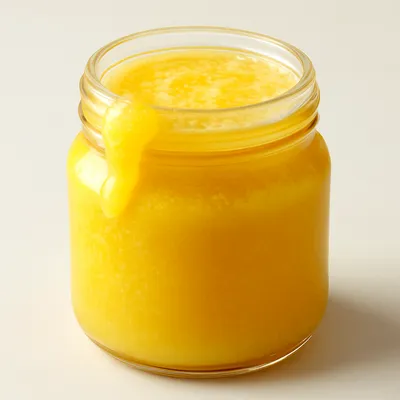
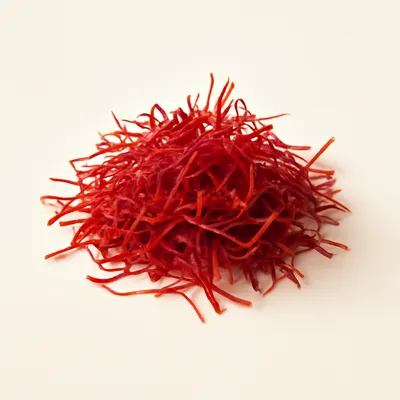

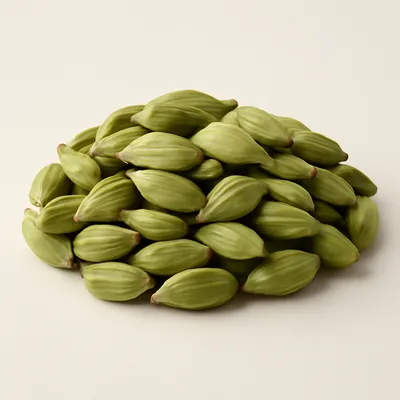
Kesari bath (kesaribath) is a South Indian semolina sweet especially identified with Karnataka cuisine, where it appears at weddings, festivals, and as a closing course of the tiffin platter alongside idli and dosa. The name comes from Kannada: bath is a generic term for a mixed rice or grain preparation, and kesari refers to saffron (kesar), the coloring and flavoring that gives the dish its vivid orange hue — though today a pinch of food color or turmeric often augments or stands in for the costly saffron. The preparation belongs to an old, widespread family of semolina-and-ghee-and-sugar sweets found across South Asia and the eastern Mediterranean; food historians note that the Ottoman irmik helvası is a cousin, and that the South Indian form grew common as refined semolina became a pantry staple in southern kitchens during the early modern period. In Karnataka it is often paired, half-savory and half-sweet, with khara bath (spiced upma) as a two-part breakfast called chow-chow bath.
Soft, glossy, and warm with ghee; a clean sugar sweetness cut by cardamom and a thread of saffron, with the crunch of fried cashew.
The texture hinges on controlling the semolina's starch gelatinization and its ratio of water to sugar. Roasting the rava in ghee first coats each granule with fat, which slows the later absorption of water so the grains stay distinct and do not turn to paste; the heat also develops toasted, nutty Maillard flavors in the starch itself. Boiling the water-sugar-saffron mixture and adding the rava gradually, then covering to steam-finish, gelatinizes the starch evenly into a soft, glossy mass. Adding the sugar after the rava is cooked — rather than with the water — is the Karnataka tip that prevents the sugar from drawing water out of the semolina and toughening it; the extra ghee at the end emulsifies the mass and gives the characteristic glossy, melt-in-the-mouth finish, while saffron's water-soluble crocin bleeds its color throughout.
Variations
Pineapple kesari bath folds in cooked fruit; a banana version is richer and darker, and the Tamil rava kesari is the close cousin with slightly more ghee.
On the Palate
Where Kesari Bath sits in the Indian flavor cloud
Ingredients
Serves 5How it's made
6 steps · 10 min
- 13 min
Melt ghee in a pan and fry cashew nuts until golden, then remove and set aside.
- 25 min
In the same ghee, roast the semolina on low heat until fragrant and lightly colored.
Watch outRoast the rava in ghee until fragrant and pale gold, stirring — coating each grain in fat keeps them distinct later; skip it and the sweet turns to paste.
- 34 min
Boil water with saffron (and a pinch of turmeric or color) and a little milk.
- 45 min
Add the roasted semolina to the boiling liquid gradually, stirring to avoid lumps, and cook until soft.
Watch outAdd the roasted rava to boiling liquid in a slow stream, whisking hard — dumping it in makes lumps that won't cook out.
- 55 min
Add the sugar and cook, stirring, until the mixture thickens and turns glossy.
Watch outStir the sugar in only after the rava is soft — added with the water it hardens the grains, so this Karnataka order keeps the texture soft.
- 63 min
Finish with cardamom, the fried cashew, and an extra spoon of ghee, and serve warm.
