
A North Indian paneer curry in a pale, ivory-to-blush gravy built on cashews, cream, and milk, lightly perfumed with cardamom and saffron and only gently sweet. The name means "royal," a nod to the Mughal-court kitchens whose nut-and-dairy korma style it descends from. It is milder, paler, and more aromatic than the bright orange Paneer Butter Masala, leaning on nuts and dairy for richness rather than a heavy tomato base.
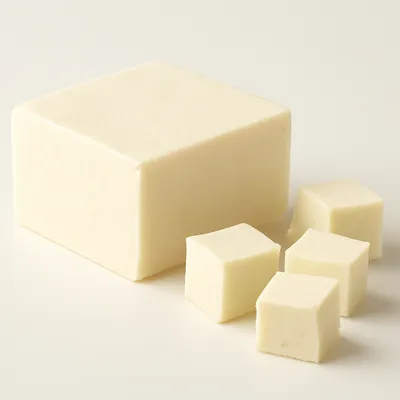



Shahi Paneer belongs to the Mughlai lineage of shahi ("royal") dishes — korma-style gravies thickened with almond or cashew paste and enriched with cream, a technique that entered the subcontinent through the kitchens of the Mughal court and its successor states from roughly the 16th century onward. Paneer itself is an ancient North Indian fresh cheese, and pairing it with a nut-cream gravy turns a vegetarian ingredient into banquet food. The specific restaurant dish under this name took its modern form in 20th-century Punjabi and Delhi kitchens, where shahi gravies were standardized for the menu; precise attribution to a single cook or date is not documented.
Soft paneer cubes in a gravy the color of weak tea with milk, glossy and thick enough to coat the back of a spoon. The first taste is sweet-savory and nutty from the cashews, with cream rounding everything and a floral lift of cardamom and saffron underneath. Almost no chili heat. Eaten with naan or jeera rice. If it tastes flat and sugary, the spices were skimped and the sweetness left unbalanced.
Body comes from cashews soaked and ground to a smooth paste, which emulsifies into the milk and cream to give a thick gravy without flour. The pale color is deliberate: onions are boiled or fried only to softness rather than browned, and tomato is used sparingly or not at all, so nothing darkens the sauce. Whole green cardamom and a pinch of saffron steeped in warm milk supply the aroma; cream is stirred in off the boil so it does not split. A small amount of sugar or a splash of rose water balances the dairy.
Variations
Restaurant kitchens vary the sweetness and color widely — some lean almost dessert-sweet with extra sugar and cream, others keep it savory and barely tinted; a saffron-forward version glows pale gold, while a version with a little tomato or red chili turns it blush-pink. White poppy seed (khus khus) paste sometimes replaces part of the cashew for a silkier texture.
On the Palate
Where Shahi Paneer sits in the Indian flavor cloud
Ingredients
Serves 4

How it's made
8 steps · 25 min
- 115 min
Soak a handful of cashews in warm water 15 minutes, then grind to a smooth paste with a little milk.
- 212 min
Boil or lightly fry sliced onions until soft but not browned; cool and grind to a pale paste.
- 35 min
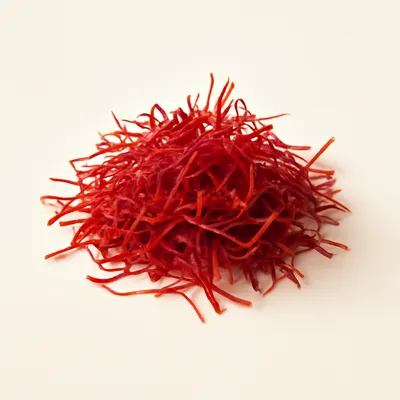
Steep a pinch of saffron in 2 tablespoons of warm milk.
- 45 min
Heat ghee, bloom whole green cardamom, cloves, and a bay leaf, then add the onion paste and cook gently without coloring.
Watch outFry the onion paste gently without letting it color — the pale ivory sauce is the whole point of shahi paneer; brown it and you've made an ordinary curry.
- 56 min
Stir in ginger-garlic paste, then the cashew paste, and cook until it smells nutty and pulls from the pan.
Watch outCook the cashew paste until it smells nutty and pulls from the pan — that's how you know the raw taste is gone; underdone, it tastes chalky.
- 68 min
Add milk and a little water to loosen, season with salt, a pinch of garam masala, and a touch of sugar; simmer to a glossy gravy.
- 74 min
Slide in paneer cubes and the saffron milk; simmer 3 to 4 minutes until the paneer softens.
- 82 min
Take off the heat, swirl in cream, and finish with a few drops of rose water or kewra if you like.
Watch outSwirl the cream in off the heat — add it over a boil and the dairy splits into grainy curds.
Archive tool suggestions — not reviewed
These legacy suggestions have not been evidence-reviewed and are not presented as required tools.


