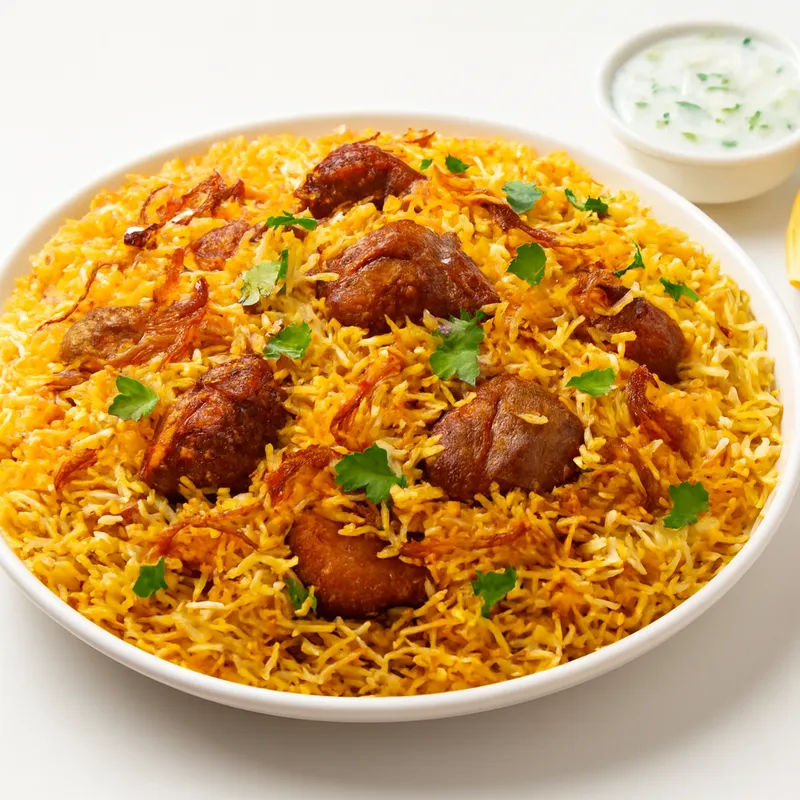
The Awadhi chicken korma of Lucknow — the lighter, quicker sibling of the mutton version. Chicken on the bone is braised in a pale gravy of fried onions, whisked yogurt, and a nut paste, kept free of tomato and chili so the colour stays cream rather than red. Whole spices give the warmth; saffron and kewra (screwpine) water, added at the end, carry the perfume. It is mild by design, built for the senses as much as the palate, and eaten with a layered paratha or sheermal.
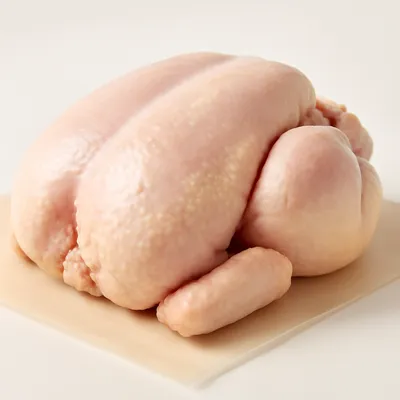
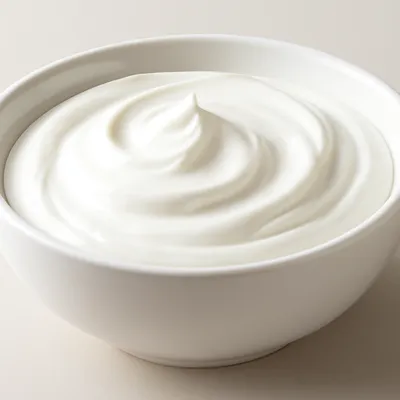


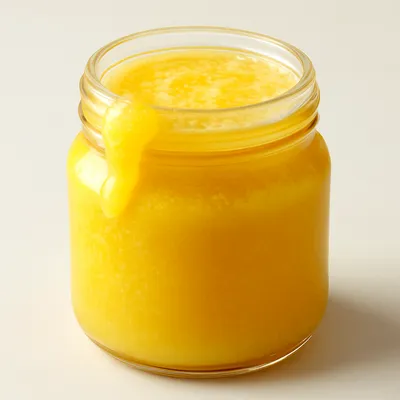
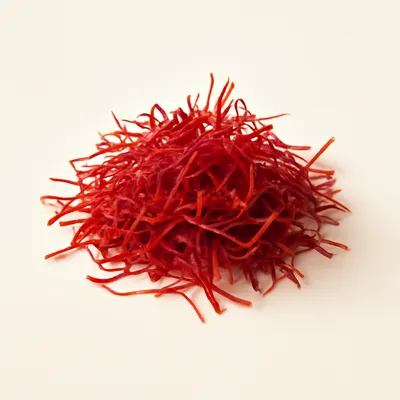
Murgh korma lucknowi belongs to the same Awadhi safed (white) korma tradition formalized in the 18th–19th-century royal kitchens of Lucknow, where cooks moved Mughal yogurt-braising toward paler, more aromatic gravies finished by dum. Chicken — quicker to cook than goat — made the technique an everyday refinement rather than a banquet labour, and it remains a staple of Lucknow's home and dawat (feast) tables. The korma method itself is documented to the Mughal court via the Ain-i-Akbari; the white, kewra-and-saffron-forward Awadhi reading of it is the Lucknow contribution.
Cream-coloured gravy, glossy and light, just coating the chicken. Screwpine and saffron lift off the surface first, then the round sweetness of cashew and slow-fried onion; clove and green cardamom sit warm beneath, with no chili edge. The meat is tender and juicy, the gravy thinner and brighter than a mutton korma's. Best torn into with warqi paratha; the bread sops the perfumed gravy. A grainy, split sauce means the yogurt boiled.
As with the mutton korma, the load-bearing trick is keeping yogurt from curdling: it is whisked smooth, thickened with a cashew–melon-seed paste whose emulsifying proteins stabilize the dairy, and stirred in off the boil. Chicken's shorter cook means the gravy is reduced gently and not too long, or the meat dries. Birista (slow-fried onion) gives colour and a savoury-sweet base without tomato; saffron and kewra go in at the very end and the pot is briefly sealed for dum so the volatile aromatics infuse the meat rather than steam away.
Variations
Shahi murgh korma adds cream and silver leaf for feasts; a richer dawat version finishes with mawa (reduced milk). The mutton version, Lucknowi Mutton Korma, runs deeper and cooks longer. This Awadhi white reading is distinct from the tomato-cream Mughlai korma and from the Pakistani-style korma, which is darker and spicier.
On the Palate
Where Murgh Korma Lucknowi sits in the Indian flavor cloud
Ingredients
Serves 4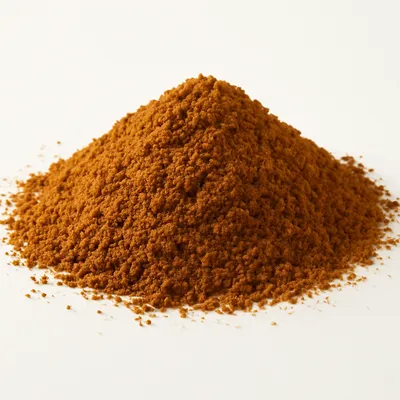

How it's made
6 steps · 30 min
- 122 min
Slow-fry thinly sliced onions to golden-brown birista; drain, reserve some and grind the rest with soaked cashews and melon seeds.
Watch outSlow-fry the onions to an even golden-brown birista — this is the gravy's color and savory-sweet base with no tomato; let them scorch and it turns bitter.
- 210 min
Brown bone-in chicken pieces in ghee with clove, green cardamom, mace, and bay until the skin tightens and the spices smell warm.
- 36 min
Stir in ginger-garlic paste and ground coriander; cook off the raw edge, then lower the heat.
- 47 min
Whisk yogurt smooth, fold in the nut-birista paste, and stir into the chicken off the boil, keeping the gravy moving as it returns to a gentle simmer.
Watch outWhisk the yogurt smooth, fold in the nut paste, and stir it in off the boil — the cashew-melon paste stabilizes the dairy, but a hard boil still curdles it.
- 522 min
Cover and braise gently until the chicken is just cooked through and the gravy lightly coats — do not over-reduce.
Watch outBraise gently just until the chicken is cooked and the gravy lightly coats — over-reduce and the quick-cooking chicken dries out.
- 68 min
Stir in saffron bloomed in warm milk, add a few drops of kewra water, scatter the reserved birista, seal the lid, and dum for 5–7 minutes before serving.
Archive tool suggestions — not reviewed
These legacy suggestions have not been evidence-reviewed and are not presented as required tools.