
The pale, courtly counterpart to fiery Laal Maas: bone-in mutton braised in a mild white gravy built on cashew, almond, coconut and yogurt, with no red chili and no turmeric to color it. White pepper and green chili carry the only heat, and whole spices — cardamom, mace, clove — perfume rather than burn. Where Laal Maas is the hunter's dish, Safed Maas is the host's, traditionally cooked in Rajputana palace kitchens for honored guests.
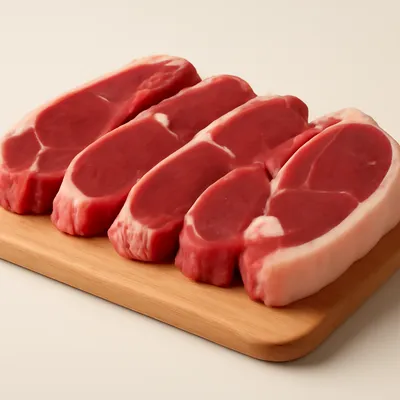

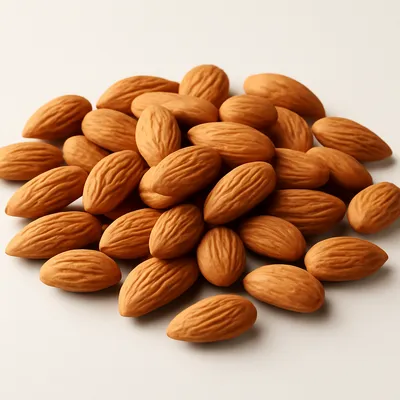


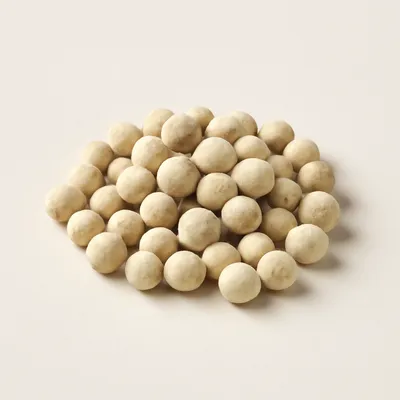
A dish of the Rajput courts of Rajasthan, conceived as the refined twin of Laal Maas. Where the red curry came from the hunting camp, the white one belonged to the palace table: in the Marwari and Mewari royal kitchens, a pale curry signaled hospitality and was reserved for distinguished guests, white being read as a color of purity and ceremony. The technique — meat carried entirely on nut and dairy pastes rather than chili and tomato — shares its logic with the Mughal-influenced korma and shahi gravies that filtered into princely north-Indian cooking, but Safed Maas keeps a Rajasthani austerity, leaning on local mutton and a tight whole-spice set rather than saffron and cream excess. No single founding date is recorded; it survives as banquet and festival fare across Jodhpur and Udaipur households today.
Bone-in mutton in an ivory gravy that clings without being heavy — the white is genuine cashew, almond and coconut, never cream alone. The first taste is gentle and nutty, then white pepper rises slowly at the back of the throat and a thread of green chili follows. Cardamom and mace sit over everything as aroma. The gravy is meant to coat, so it is eaten with sheermal or plain rice rather than poured over bread. After the chili roar of Laal Maas, this reads as quiet on purpose.
Color control is the whole craft: every reddening or yellowing agent is left out. Cashews and almonds are blanched, skinned and ground to a smooth paste so no flecks darken the sauce; the mutton is poached pale in a white stock rather than browned, since a Maillard sear would muddy the ivory. Yogurt is whisked smooth and folded in off the heat, then reduced gently with constant stirring so it thickens without splitting or browning. The nut paste both thickens and emulsifies, holding the fat in a stable, glossy suspension; whole spices are bloomed in ghee but pulled before they toast dark, keeping aroma without color.
Variations
Jodhpur Marwari kitchens keep it austere and pepper-forward; some Jaipur and modern hotel versions enrich it toward a korma with extra cream and saffron, which purists consider a drift away from its restraint. A few cooks add a little poppy-seed (khus khus) paste alongside the nuts for body; chicken is sometimes substituted for mutton at lighter meals, though the courtly original is goat.
On the Palate
Where Safed Maas sits in the Indian flavor cloud
Ingredients
Serves 4

How it's made
7 steps · 40 min
- 120 min
Soak cashews and almonds in hot water; blanch, peel the almonds, and grind both to a smooth white paste with a little coconut.
Watch outBlanch and skin the nuts and grind them perfectly smooth — any fleck or skin darkens the sauce, and this dish's whole craft is keeping it ivory-pale.
- 25 min
Whisk yogurt smooth with the nut paste and white pepper; keep aside.
- 34 min
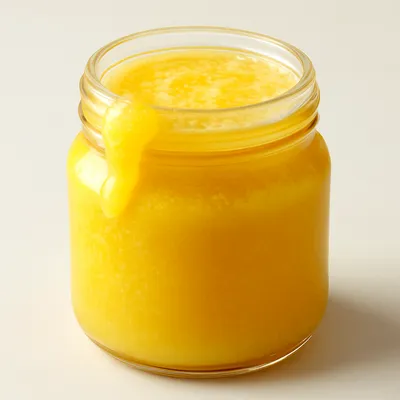
Bloom cardamom, clove and mace in ghee over low heat until fragrant, without letting them darken.
- 48 min
Add the mutton and sear only lightly to seal, keeping it pale; add ground ginger-garlic and a splash of water.
Watch outSear the mutton only lightly to keep it pale — a proper Maillard brown would muddy the ivory color the dish is named for.
- 550 min
Pour in white stock or water, cover and simmer gently until the mutton is fork-tender.
- 612 min
Lower the heat, fold in the yogurt-nut paste and stir constantly so it does not split; reduce to a coating gravy.
Watch outFold the yogurt-nut paste in over low heat, stirring constantly — stop stirring or let it boil and it splits, breaking the glossy sauce.
- 76 min
Finish with slit green chili and a touch of ghee; rest off the heat before serving with sheermal or rice.
Archive tool suggestions — not reviewed
These legacy suggestions have not been evidence-reviewed and are not presented as required tools.


