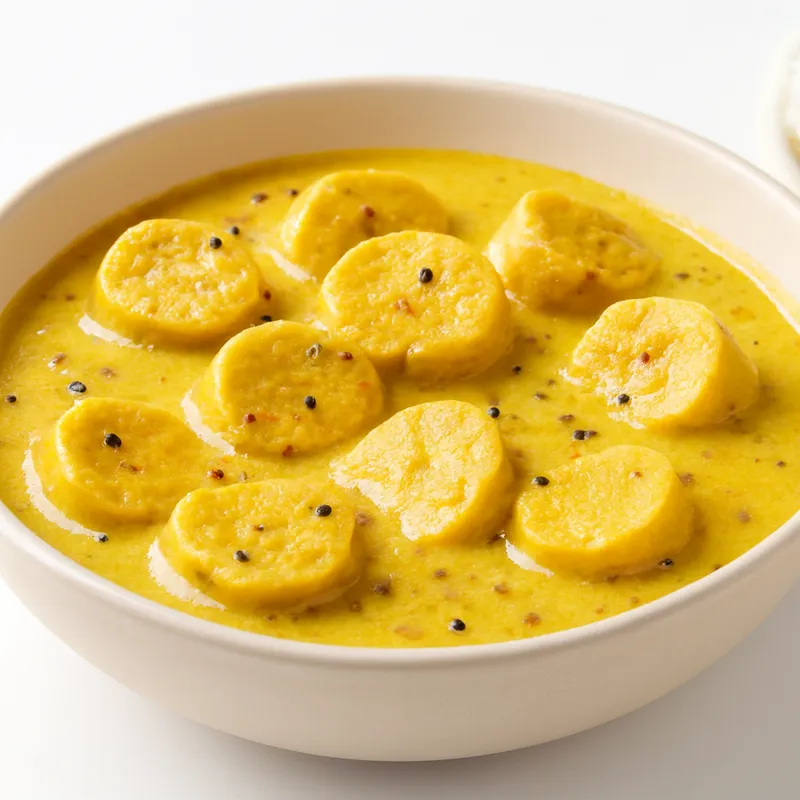
The Awadhi chicken biryani of Lucknow, made by the pukki (pre-cooked) method: chicken is first cooked through in a delicate yogurt-and-spice gravy, then layered with parboiled basmati, saffron milk, fried onions, and mint, and sealed for dum. It is fragrant and mild rather than fiery — the Lucknow style leans on whole-spice aroma, kewra, and saffron, not chili heat. The rice stays separate and perfumed, the chicken tender, the whole thing gentle and aromatic.


Awadhi biryani took shape in the 18th-century kitchens of the Lucknow nawabs, who refined the Persian-derived dum pukht (slow-sealed) method; the court favoured the pukki technique, cooking meat first and then layering it with rice, which gives a gentler, more perfume-forward result. This chicken reading follows that tradition. It is distinguished from Hyderabadi biryani, which classically uses the riskier kachchi method (raw marinated meat sealed with the rice from the start) and runs spicier, and from the mutton Awadhi dum biryani, which uses goat for a deeper, heavier dish; here chicken keeps it lighter and quicker.
Long basmati grains, separate and streaked gold where the saffron milk soaked in, white elsewhere, threaded with mint and crisp fried onion. The chicken is cooked off the bone-tender in a pale, lightly spiced gravy that clings without drowning the rice. Each forkful gives clove, mace, green cardamom, and a top note of kewra over the meat. There is warmth but little burn. Eaten with raita; the rice carries its own moisture and needs no extra sauce. Greasy, clumped rice means too much gravy was layered in.
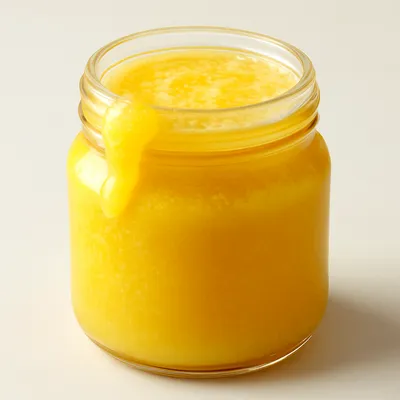
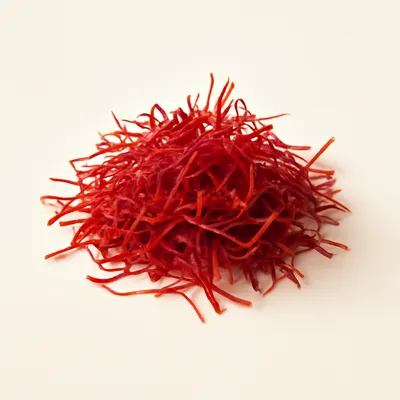
Two controls define it. First, the pukki layering: because the chicken is already cooked, the dum stage is only about marrying perfume and finishing the rice, so timing is forgiving and the meat never over- or under-cooks the way raw kachchi meat can. Second, the dum seal — dough around the lid traps kewra, rose, saffron, and mint vapours that would otherwise escape, driving them into the rice. The rice is parboiled to about 70 percent so it finishes in the trapped steam grain-separate, not mushy; fried onions, ghee, and saffron milk between layers add colour, sweetness, and aroma. Low heat from below (sometimes coals on the lid) cooks it evenly.
Variations
The mutton Awadhi dum biryani is the goat version, deeper and longer-cooked; a shahi version adds more saffron, nuts, and silver leaf. Calcutta biryani — carried east by the exiled last nawab Wajid Ali Shah's kitchen — famously adds a boiled potato and egg and runs even milder. This pukki Lucknow style stands apart from the kachchi, chili-forward Hyderabadi biryani and from the prune-and-yogurt Sindhi style.
On the Palate
Where Murgh Awadhi Biryani sits in the Indian flavor cloud
Ingredients
Serves 6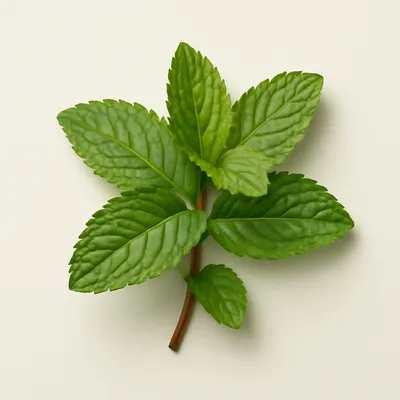
How it's made
6 steps · 45 min
- 140 min
Soak basmati 30 minutes; parboil in salted water with whole spices to about 70 percent done, then drain.
Watch outParboil the basmati only to about 70 percent — it finishes in the trapped dum steam grain-separate; boil it fully now and the biryani steams into mush.
- 212 min
Fry sliced onions to golden-brown birista; reserve. Bloom saffron in warm milk.
- 325 min
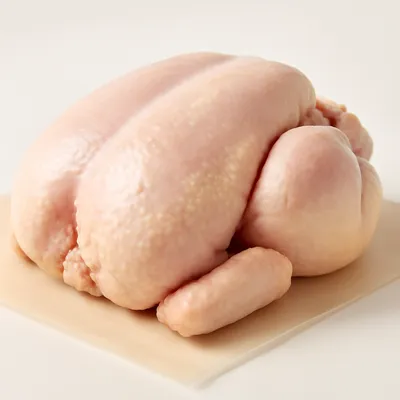
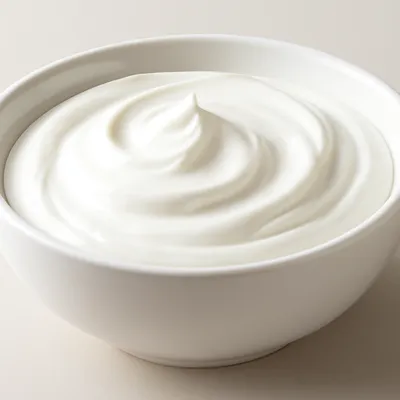
Cook chicken through in ghee with ginger-garlic paste, whisked yogurt, green chili, and whole spices (clove, mace, cardamom, cinnamon) until tender in a pale, thick gravy.
- 412 min
In a heavy pot, layer the cooked chicken and its gravy with the parboiled rice, scattering fried onions, chopped mint and coriander, saffron milk, and a few drops of kewra between layers.
- 522 min
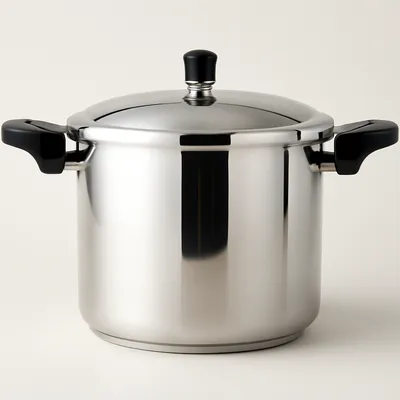
Seal the lid with a rope of dough so no steam escapes, and dum on the lowest heat (coals on the lid if possible) for about 20 minutes.
Watch outSeal the lid with a rope of dough and dum on the lowest heat — the seal traps the kewra, rose and saffron vapors and drives them into the rice; a leaky lid lets the whole perfume escape.
- 612 min
Rest sealed for 10 minutes off the heat, then break the seal, lift gently from the side so the layers stay intact, and serve with raita.
Archive tool suggestions — not reviewed
These legacy suggestions have not been evidence-reviewed and are not presented as required tools.