
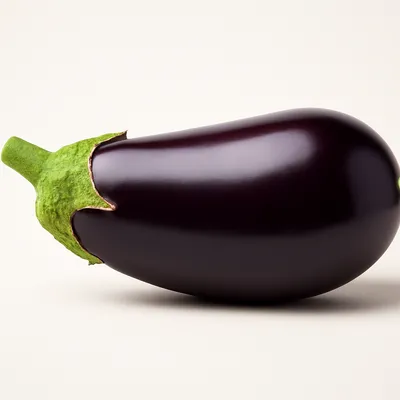
Dhansak is the signature dish of the Parsi (Zoroastrian) community of western India, especially Mumbai and Gujarat. Cubes of mutton or chicken are braised together with a thick purée of mixed lentils — traditionally four pulses, led by toor (pigeon-pea) dal — and soft vegetables such as red pumpkin, eggplant and fenugreek greens, seasoned with a special dhansak masala and balanced spicy-sour-sweet. The dal-and-meat is mashed to a smooth, almost stew-like consistency and served with caramelised brown rice, cooked in burnt-sugar water for its dark colour and faint bitterness. The name comes from the Gujarati words dhan (grain/lentils) and saak (vegetables).




Dhansak is documented as a creation of the Parsis — Zoroastrians who migrated from Persia to the coast of Gujarat in the medieval centuries after the Arab conquest of Iran — and it fuses Persian meat-and-pulse stewing with Indian lentils, vegetables and spicing. The name combines the Gujarati dhan (grain or lentils) with saak (vegetables); the dish reached its present form as a Parsi household staple by the 20th century. In Parsi homes it is traditionally cooked on Sundays because the slow simmering of the mixed dal is laborious, and it is eaten on the fourth day after a death to break the family's post-funeral abstinence from meat — for this reason dhansak is by custom never served at weddings, Navroz or other auspicious occasions.
A thick, almost porridge-like brown gravy, the lentils cooked down until they coat the spoon, with meat falling apart inside. The first taste is savoury and earthy from the pulses, then heat from the masala, then a clean sour-sweet lift from tamarind and a touch of jaggery. Eaten with the dark caramelised rice, which is fluffy and faintly bittersweet, and a wedge of lime and kachumber (onion salad) on the side.
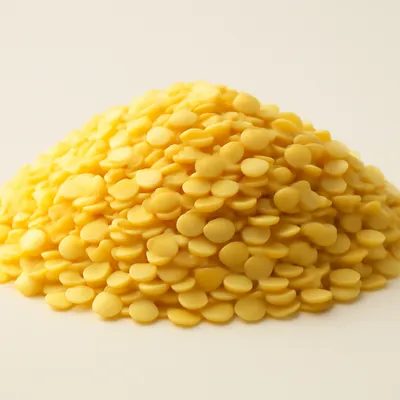
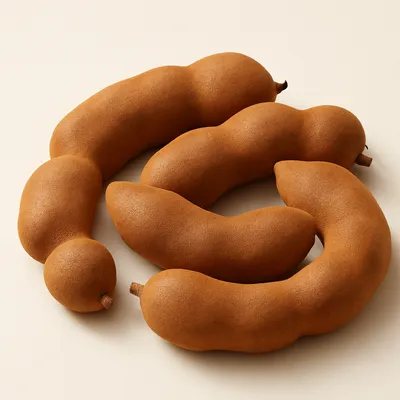
Two things carry the dish. First, the pulses: mixing toor dal with chana, red and brown masoor gives a range of starches that break down at different rates, so the gravy thickens into a smooth body rather than a thin soup — the dal is simmered until collapsing, then mashed or blended. Second, the sweet-sour balance: tamarind acid and a little jaggery are added against the warm dhansak masala (which carries cumin, coriander, fenugreek and more), so the dish lands tikha-khatta-mitha — spicy, sour, sweet — at once. The brown rice is cooked separately in water tinted with caramelised sugar, where sugar heated past 170°C darkens and turns faintly bitter, giving the rice its colour and a savoury edge that offsets the sweet gravy.
Variations
The most common split is by meat — mutton dhansak versus chicken dhansak — with a vegetarian version that simply leaves the meat out of the dal. Some families serve a leaner, less sweet 'tariwala' style, others a richer one heavy with browned onions. Dhansak is part of a wider Parsi sweet-sour repertoire alongside dishes like sali boti and the prawn or fish patio, which share the jaggery-and-vinegar or tamarind balance.
On the Palate
Where Dhansak sits in the Indian flavor cloud
Ingredients
Serves 6


How it's made
7 steps · 40 min
- 130 min
Rinse the mixed lentils (toor dal with chana, red and brown masoor) and soak 30 minutes.
- 235 min
Pressure-cook or boil the lentils with the pumpkin, eggplant and fenugreek greens until completely soft, then mash or blend to a smooth purée.
Watch outThe lentils and vegetables are ready only when they collapse at a touch — undercooked dal won't blend smooth.
- 312 min
In a separate pot, brown the sliced onions in oil or ghee, add ginger-garlic paste, then the mutton cubes, and sear.
- 420 min
Stir in the dhansak masala, turmeric and chilli, and braise the meat with a little water until almost tender.
- 535 min
Combine the lentil purée with the meat, add tamarind pulp and jaggery, and simmer together until the gravy is thick and the meat falls apart.
Watch outSimmer until the gravy is thick enough to hold a trail and the meat pulls apart at a fork.
- 625 min
Separately, caramelise sugar in a pan until dark, add water and the rice, and cook until the rice is fluffy and brown.
Watch outTake the sugar to a deep amber, just short of burnt, before adding water — too pale and the rice has no colour or savoury edge.
- 75 min
Adjust the spicy-sour-sweet balance, finish with chopped coriander, and serve the dhansak over the caramelised rice with lime and onion salad.
Archive tool suggestions — not reviewed
These legacy suggestions have not been evidence-reviewed and are not presented as required tools.


