
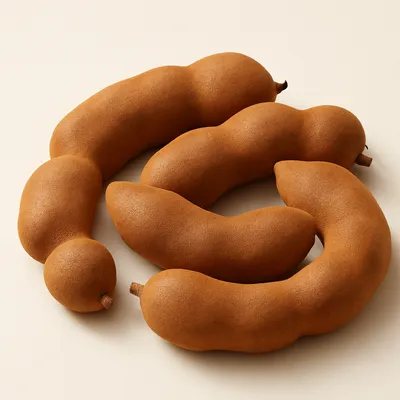
Dal Dhokli is a Gujarati one-pot meal of spiced wheat-flour dough rolled thin, cut into diamonds, and simmered straight in a thin, sweet-sour pigeon-pea dal. The dal carries jaggery for sweetness, tamarind for tang, peanuts for crunch and a ghee tempering for perfume. The dough cooks in the dal rather than separately, so the broth thickens as it goes. It is everyday comfort food, eaten hot from the bowl with a slick of ghee and fresh coriander.

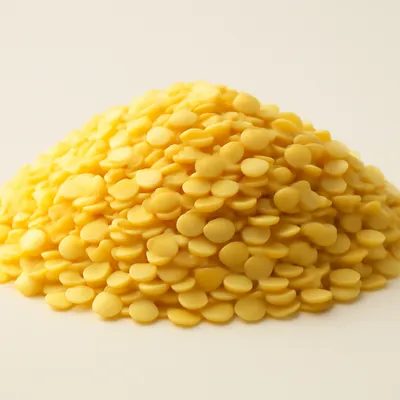



A shared dish of Gujarati, Rajasthani (Marwar) and Maharashtrian kitchens; in Marathi the wheat pieces are called phal and the dish varan phal or chakolya, while dal dhokli is the Gujarati and Rajasthani name. It is popularly said to have travelled with Marwari families who settled in Gujarat, but that claim rests on recipe lore rather than record, so it is best taken as a story. No date or named originator is documented. The Gujarati version is distinguished by its sweet-sour balance — jaggery and tamarind — and peanuts, where the Maharashtrian cousin runs less sweet and spicier with goda masala, kokum and coconut.
The diamonds are soft and slippery with a faint chew at the center — somewhere between a tender noodle and a dumpling, cooked through rather than al dente. Around them the dal is silky and lightly thickened, clinging to the spoon, all at once sweet, sour and savoury, with whole peanuts that stay firm against the soft dough. A glossy slick of ghee floats on top and the curry-leaf tempering perfumes the bowl. It thickens further as it sits, so it is eaten steaming, scattered with coriander.
Whole-wheat flour with a little gram flour is kneaded stiff with low water; the wheat's gluten network sets firm enough on simmering that the diamonds hold their shape and a tender chew instead of falling apart, while the besan lends flavour and binding. As the raw dough cooks, surface starch gelatinizes and amylose leaches into the dal — the same self-thickening as cooking pasta in its sauce — so the broth bodies up with no added flour. Jaggery rounds the lentils' earthiness while tamarind's acids drop the pH for brightness, and salt and chili widen the contrast so neither sweet nor sour dominates. The ghee tempering blooms cumin, mustard, asafoetida and curry leaf in hot fat, extracting their fat-soluble aromatics into the dish; the hing is also there, by tradition, to ease the digestion of the pulses.
Variations
The Gujarati dal dhokli is the sweeter one, with tamarind and peanuts. The Rajasthani or Marwari version is its close kin from the homeland; the Maharashtrian varan phal or chakolya runs less sweet and spicier, built on goda masala, kokum and fresh coconut, the pieces there called phal. Households vary the diamonds' size and thickness, and some add a garlic tempering. A thrifty everyday version cuts up leftover flatbread into the dal instead of rolling fresh dough.
On the Palate
Where Dal Dhokli sits in the Indian flavor cloud
Ingredients
Serves 4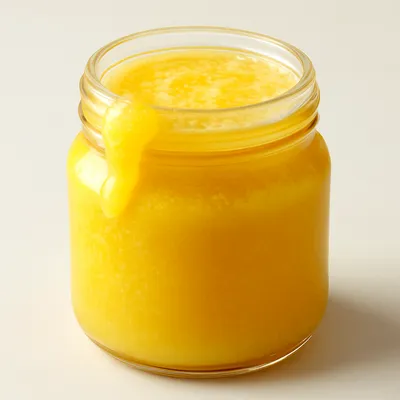


How it's made
8 steps · 45 min active + 15 min waiting
- 118 min
Knead whole-wheat flour with a little gram flour, salt, turmeric, chili powder, carom seeds and a spoon of oil into a stiff dough; rest 15 minutes.
Watch outKnead the dough stiff with low water — the firm gluten is what lets the diamonds hold shape in the simmer instead of dissolving into the dal.
- 220 min
Pressure-cook toor dal until soft, then whisk smooth with water to a thin consistency.
- 38 min
Season the dal with jaggery, tamarind pulp, peanuts, ginger-green-chili paste, turmeric and salt; bring to a simmer.
- 47 min
Roll the dough thin and cut into diamond shapes.
- 53 min
Drop the diamonds into the simmering dal a few at a time, stirring gently so they do not stick.
- 612 min
Simmer until the dhokli are cooked through and the dal has thickened to a clinging consistency.
Watch outSimmer until the dhokli are cooked through and the dal clings to the spoon — the surface starch shed from the dough self-thickens the broth as it goes.
- 73 min
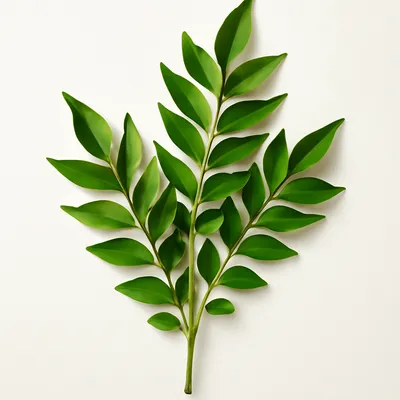
Heat ghee and crackle cumin, mustard, curry leaves and a pinch of asafoetida; pour the tempering over.
- 82 min
Serve hot in bowls, topped with extra ghee and chopped coriander.
Archive tool suggestions — not reviewed
These legacy suggestions have not been evidence-reviewed and are not presented as required tools.


