An auspicious Parsi semolina-and-milk pudding, served to begin the New Year (Navroz), birthdays, and celebrations with something sweet. Fine semolina is roasted in ghee, simmered with milk, sugar, saffron, and cardamom into a soft, creamy pudding, and finished with nuts and raisins. Its logic is the Parsi belief in 'mithu monu' — starting sweet.

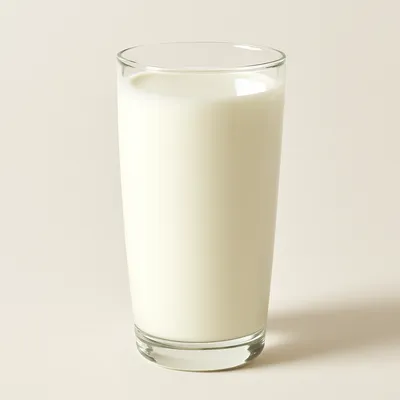

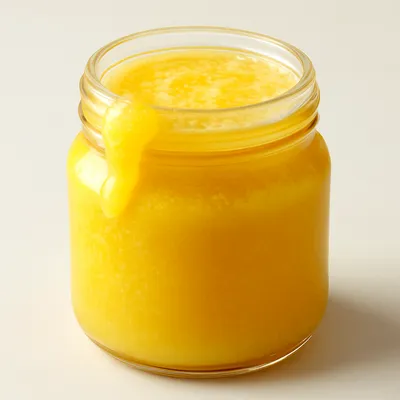
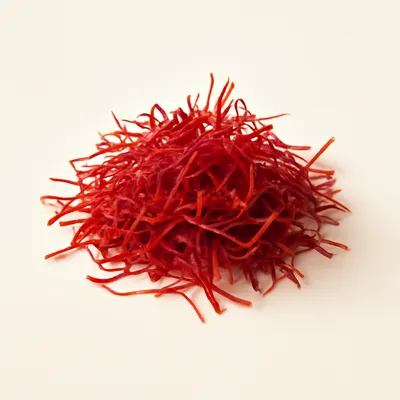
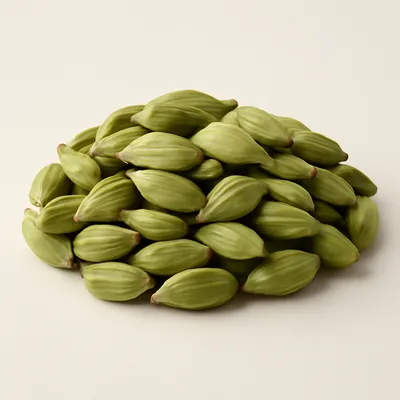
Ravo is a traditional Parsi semolina-and-milk pudding, served on Navroz (the Parsi new year), birthdays, and every auspicious occasion as the dish that begins an event with sweetness. The Parsi community — Zoroastrians who migrated from Persia to India between the 8th and 10th centuries CE — holds to the principle of 'mithu monu,' beginning an occasion with something sweet to invite a sweet year or event, and ravo is one of the central sweets of that practice. The dish belongs to the wider South Asian family of semolina-and-ghee-and-sugar sweets (the sooji halwa, the kesari bath, the sheera), but the Parsi form is distinguished by its milk-and-saffron richness and its ceremonial role. The method is straightforward: fine semolina is roasted in ghee until fragrant and lightly golden, milk is added gradually with constant stirring to prevent lumps, sugar, saffron, and cardamom sweeten and perfume it, and the pudding is cooked until thick and creamy, finished with ghee-fried nuts and raisins. It is served warm, often as a breakfast on festive mornings.
Soft, warm, and creamy, with the roasted-nut warmth of semolina, the floral lift of saffron, and the crunch of fried nuts and raisins on top.
The pudding's texture rests on the roasting of the semolina and the measured addition of liquid. Roasting the semolina in ghee before any liquid is added serves two purposes: it gelatinizes a fraction of the starch in the dry heat so it will thicken smoothly later, and it develops Maillard-browning products on the starch's sparse proteins, giving the roasted, nutty flavor that distinguishes a ravo from a raw-tasting porridge. Adding the milk gradually while stirring constantly prevents the starch from clumping — dumped at once, the starch granules on the outside would gelatinize and form a skin around dry interiors, creating lumps; gradual addition lets each granule hydrate evenly. The milk's own starch-thickening combines with the semolina's to give a soft, creamy body; the ghee carries the saffron's and cardamom's fat-soluble aromatics, and the nuts fried in it release their oils as a crunchy, aromatic garnish.
Variations
A condensed-milk version is richer; some add a touch of rose water or vanilla, and the dish is sometimes thinned to a drinkable consistency for children.
On the Palate
Where Ravo sits in the Indian flavor cloud
Ingredients
Serves 5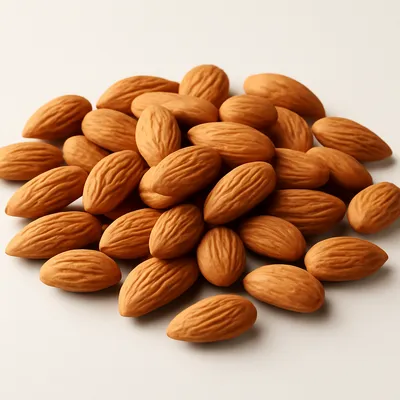
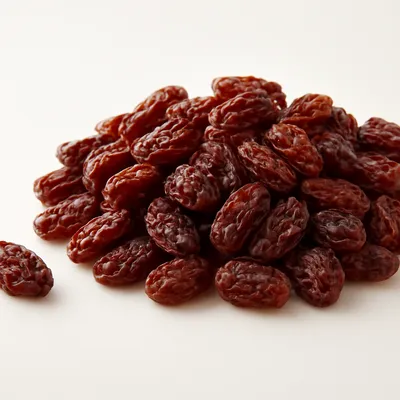
How it's made
6 steps · 10 min
- 14 min
Fry almonds and raisins in a little ghee until golden; set aside.
- 28 min
In the same ghee, roast semolina on low heat until fragrant and lightly golden.
Watch outRoast the semolina on low until fragrant and lightly golden — that toasting is what gives ravo its nutty flavor and stops it tasting raw and pasty.
- 36 min
Gradually add warm milk, stirring constantly to prevent lumps.
Watch outAdd the warm milk gradually, stirring constantly — pour it all at once and the outer starch seizes into lumps you can't smooth out.
- 44 min
Add sugar, saffron (soaked in a little warm milk), and cardamom powder.
- 56 min
Cook, stirring, until the mixture thickens into a soft pudding.
- 62 min
Garnish with the fried nuts and raisins, and serve warm.

