
A classic Herati semolina sweet — coarse-grain semolina toasted in clarified butter until deeply golden and fragrant, then bloomed with a hot sugar-saffron-cardamom syrup and stirred until it absorbs all the liquid and pulls away from the pan in a glossy mass. Pressed into a dish, dusted with cinnamon, scattered with slivered almonds. Served warm.



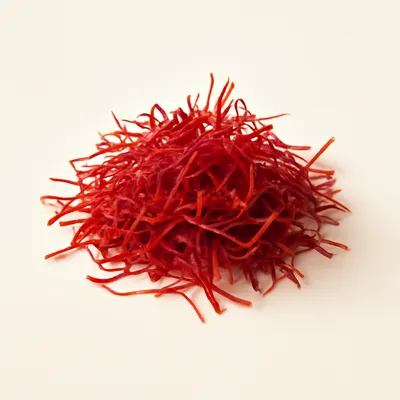
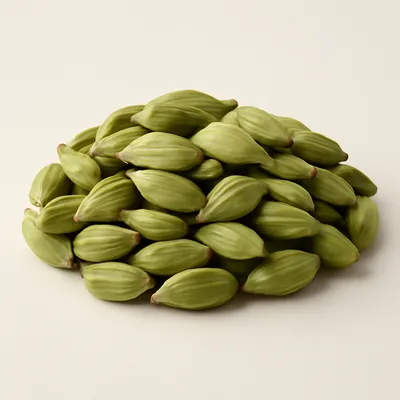

Halwa in its many forms is shared across the Persian, Arab, Indian, and Turkish dessert traditions. The Herati version follows the Persian school (semolina + butter + saffron + cardamom) but uses a coarser semolina than most Iranian recipes, giving it a more crumbly-textured set. Made as a religious offering — distributed at Quran recitations, funerals, and the third day after a baby's birth. The cook's skill is in toasting the semolina just enough to flavor it without scorching it.
First bite is rich, almost too buttery — the semolina has absorbed all the syrup and the clarified butter that toasted it. Coarse grain gives a slight pleasant grit; saffron threads bloom in your mouth as floral-earthy notes. Cardamom is the high register. Cinnamon dusts the surface like fragrant snow. Sweet but rounded — not sugar-bombing. Eaten in small portions with hot tea, the sweetness softens between sips. Goes especially well with the bitter contrast of Afghan black tea.
Toasting semolina before adding liquid serves three purposes: (1) it develops nutty flavor through Maillard reaction, (2) it pre-gelatinizes the starch granules, allowing them to absorb syrup smoothly without lumping, (3) it removes raw cereal flavor. Pouring hot syrup into hot toasted semolina is essential — cold syrup would shock the starch and create a gummy texture. The vigorous sputtering is the semolina rapidly absorbing the water through its toasted shell.
Variations
Herati classical (semolina + ghee + saffron + cardamom + rose water + almond + cinnamon); a richer Eid version adds 1 cup chopped pistachios + 1/2 cup walnuts into the cooked halwa; some Mazar households add 1 tbsp poppy seeds in the syrup for visual texture; vegan version uses coconut oil instead of ghee; lighter version uses brown sugar and reduces ghee by 1/3.
On the Palate
Where Halwa Aurd-e Sujee sits in the Afghan flavor cloud
Ingredients
Serves 6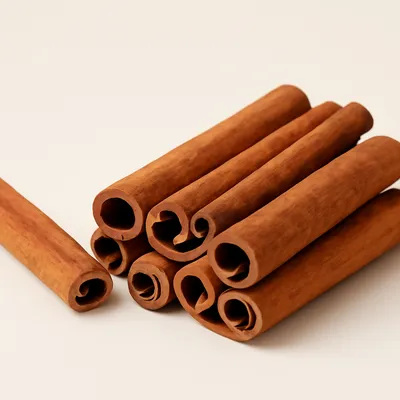

How it's made
7 steps · 25 min active + 5 min waiting
- 16 min
Make the syrup first: in a small pot combine 1.5 cups water, 1 cup sugar, 1/2 tsp ground cardamom, and a generous pinch of saffron threads. Bring to a boil; simmer 5 minutes until sugar fully dissolves. Stir in 1 tbsp rose water at the end. Keep hot.
Watch outSimmer the syrup only until the sugar fully melts and it turns clear — don't reduce it to threads, or the halwa sets hard instead of soft.
- 22 min
In a heavy non-stick skillet or wide pot melt 1/2 cup clarified butter (or ghee) over medium heat.
- 314 min
Add 1.5 cups coarse semolina. Toast, stirring constantly with a wooden spoon, for 12-15 minutes — the semolina will go from pale yellow to deep gold and smell strongly of toasted nuts. Do not let it burn.
Watch outStir the semolina nonstop until it goes deep gold and smells strongly of toasted nuts — that color is the flavor; a shade past and the smell turns bitter.
- 41 min
Reduce heat to low. Pour in the hot syrup in one steady stream. The mixture will hiss and sputter dramatically — keep stirring.
Watch outTurn the heat low first, then pour the hot syrup in one stream — it should hiss and sputter hard; keep stirring through it or it clumps.
- 55 min
Cook on low for 5 minutes, stirring constantly, until the semolina absorbs all the syrup and the mixture pulls away from the pan in a glossy mass.
Watch outIt's done when the mixture turns glossy and pulls away from the pan in one mass — stop there; overcook and it dries out stiff.
- 62 min
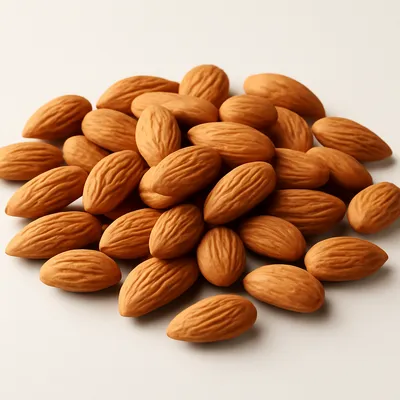
Press immediately into a shallow rectangular dish or onto a serving plate. Smooth the top with the back of a spoon. Dust with 1 tsp ground cinnamon and scatter with 1/2 cup slivered almonds.
- 75 min
Cool 5 minutes before cutting into diamonds or squares. Serve warm. Keeps 2 days at room temperature covered.
Archive tool suggestions — not reviewed
These legacy suggestions have not been evidence-reviewed and are not presented as required tools.

A heavy, single-piece cast iron pan, 25-30 cm across, weighing 1.5-2.5 kg. Once preheated, the thick mass holds 230°C+ even when a cold steak hits the surface — that's the secret to a deep crust. A well-seasoned skillet (multiple thin layers of polymerized oil baked into the iron) is essentially nonstick, gets better with use, and lasts a century. Lodge skillets from Tennessee have been in continuous production since 1896.

Round metal pot, 14-26 cm diameter, with vertical walls and a long handle, designed for sauces, soups, oatmeal, rice, boiled vegetables. The vertical walls minimize evaporation (vs. a sauté pan). Sizes: 1 qt for melting butter, 2-3 qt for sauces, 4 qt for soups. Stainless-steel-clad aluminum or copper is best for conduction; cast-iron is too thick for delicate sauces.


