The Parsi sweet vermicelli — 'sagan ni sev' — served on every auspicious occasion to begin with sweetness. Fine vermicelli is toasted in ghee, bound in a cardamom-and-rose-scented sugar syrup, and finished with nuts and dry fruits. The logic is the Parsi principle of 'mithu monu' — starting an occasion sweet — and it is eaten at Navroz, birthdays, and weddings.


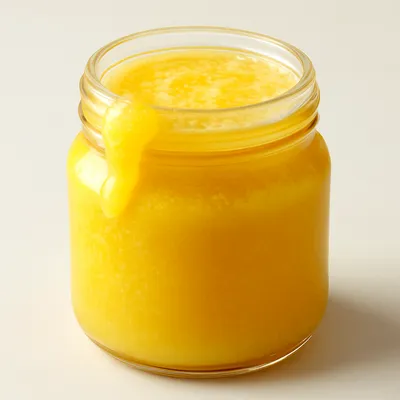
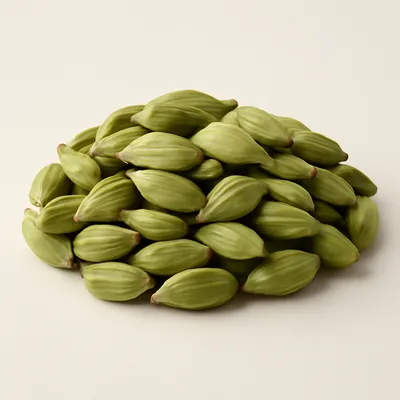

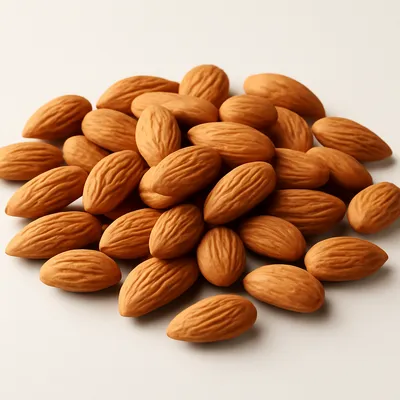
Sev (sagan ni sev, sagan nu sev) is the Parsi sweet vermicelli, served on every auspicious occasion — Navroz (the Parsi new year), birthdays, weddings, and jashans (prayer ceremonies) — as the dish that begins an event with sweetness, in keeping with the Parsi principle of 'mithu monu.' Its name in Parsi Gujarati states both its form and its role: sev means the fine vermicelli itself, and sagan means an auspicious occasion. The dish belongs to the wider South and West Asian family of sweet vermicelli preparations — the sheer khurma of Eid, the meethi seviyan, the Persian faloodeh in its dessert form — that traveled into South Asian cooking through Persian and Central Asian influence; the Parsi community, with its Persian root, made the form its own ceremonial sweet. The method is straightforward: fine vermicelli is toasted in ghee until golden, a sugar syrup is cooked to a light thread stage and added gradually, and the mixture is covered and steamed briefly until the vermicelli absorbs the syrup, then finished with cardamom, rose water, and a generous scatter of nuts and dry fruits. It is eaten warm as a festive dessert or breakfast.
Soft, glossy, sweet vermicelli in a light syrup, perfumed with cardamom and rose, with the crunch of toasted nuts and the chew of dry fruits.
The dish's texture rests on the toasting of the vermicelli and the syrup's concentration. Toasting the fine vermicelli in ghee before any liquid is added gelatinizes a fraction of its starch in the dry heat and develops Maillard-browning flavors, so the strands hold their shape through the syrup-cooking rather than dissolving to mush, and carry a roasted, nutty flavor. The sugar syrup, cooked only to a light thread stage (not to a hard crack), is concentrated enough to sweeten and bind but remains fluid enough that the vermicelli can absorb it; covering the pan after adding the syrup traps steam, which finishes cooking the strands gently and lets them drink in the syrup evenly. Adding the syrup gradually rather than all at once prevents the vermicelli from clumping; the ghee carries the fat-soluble aromatics of cardamom and rose, and the nuts, toasted in ghee, release their oils and crunch.
Variations
A milk-thinned (ravo-like) version is softer and soupier; condensed milk enriches some festive forms, and the nut and dry-fruit mix varies by occasion.
On the Palate
Where Sev sits in the Indian flavor cloud
Ingredients
Serves 6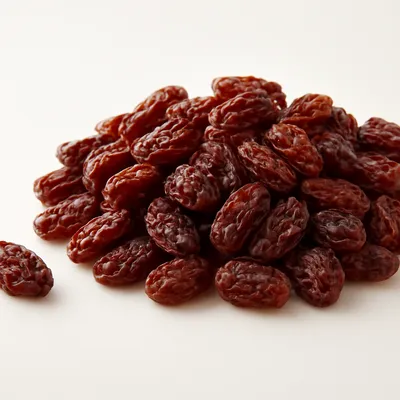
How it's made
6 steps · 15 min
- 13 min
Break fine vermicelli into short lengths.
- 26 min
Heat ghee in a pan, add the vermicelli, and toast until golden and fragrant.
Watch outToast the vermicelli in ghee to golden and fragrant — this roast lets the strands hold shape in the syrup instead of dissolving to mush.
- 38 min
In a separate pan, cook sugar with a little water to a light thread syrup, flavored with cardamom.
- 48 min
Add the syrup to the toasted vermicelli gradually, stirring, then cover and steam briefly until the vermicelli absorbs the syrup.
Watch outAdd the light-thread syrup gradually, then cover and steam briefly until absorbed — too much liquid at once turns it gluey and heavy.
- 54 min
Stir in rose water and a generous scatter of toasted nuts and dry fruits.
- 62 min
Serve warm, as a festive dessert or breakfast.


