A lavish Kashmiri winter dessert and tonic: an assortment of nuts and dry fruits — almond, walnut, cashew, pistachio, dried apricot — and sometimes fried paneer are simmered in a saffron-cardamom sugar or honey syrup with ghee. Dense, warming, and aromatic, it is eaten in small quantities against the valley's bitter cold.
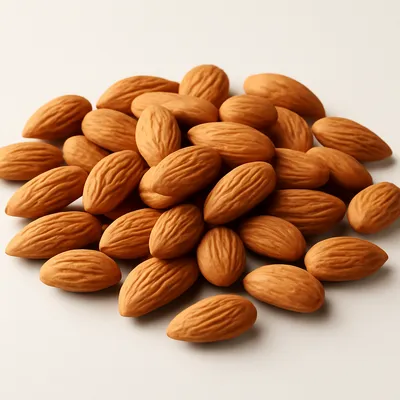


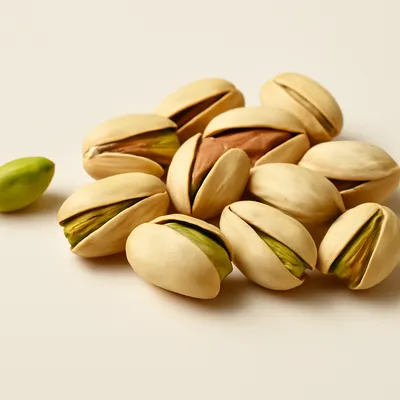


Shufta is a Kashmiri dessert and tonic, served at weddings, festivals, and through the winter, when its dense concentration of nuts, ghee, and sweetener is valued for warmth and energy against the valley's cold. It belongs to the Kashmiri Wazwan and festive kitchen tradition, and is passed down through families with closely guarded variations on the spice balance. The dish is built from a medley of dry fruits and nuts — almonds, walnuts, cashews, pistachios, coconut, dried apricots, raisins — sometimes with cubes of fried paneer folded in, all lightly fried in ghee and then coated in a saffron-and-cardamom syrup made from sugar or honey. The combination reflects Kashmir's place on the old trade routes, which brought both dry fruits from the west and north and saffron — grown in the valley itself at Pampore — into its cooking. Eaten warm in small portions, it is less a sweet than a sustaining, restorative preparation, and it remains a marker of Kashmiri hospitality.
Dense, chewy, warm nuts in a glossy, saffron-gold syrup, with the deep aroma of cardamom and the rich, rounded sweetness of honey or sugar and ghee.
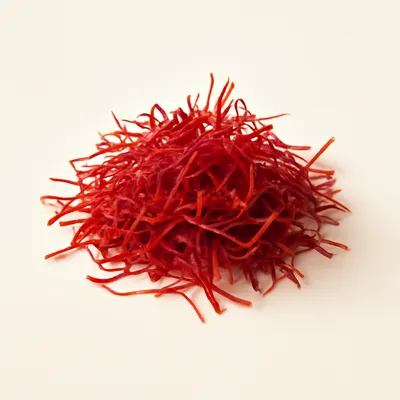
The dish is a controlled crystallization of a sugar syrup around nuts. The syrup is cooked to a stage — typically soft-ball or just past it, around 110–115°C — concentrated enough that, once the nuts are folded in and the mixture cools, the sucrose sets into a glossy, slightly crystalline coating rather than remaining a loose liquid or hardening into a brittle crack. The saffron steeped in the syrup releases its water-soluble crocin, dyeing it gold, and its fat-soluble aromatics, which the ghee in the syrup then carries onto the nuts. The nuts themselves, briefly fried in ghee first, have their cell-wall fats loosened and their surface proteins Maillard-browned, deepening their flavor before the syrup coats them; the variety of nuts supplies a range of textures — chewy dried apricot, crisp almond, soft walnut — within the single cohesive mass. Eaten warm, the syrup is still fluid; cooled, it sets to a more fudge-like consistency.
Variations
Honey replaces sugar in some versions for a deeper flavor; black cumin or cinnamon is sometimes added, and the paneer is omitted in simpler forms.
On the Palate
Where Shufta sits in the Indian flavor cloud
Ingredients
Serves 6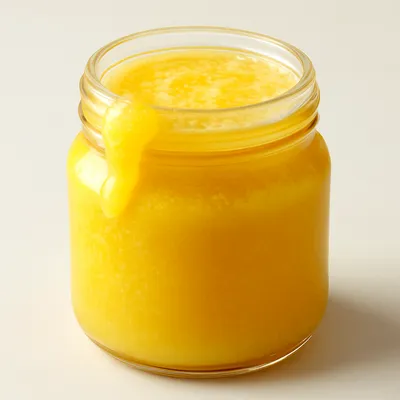
How it's made
6 steps · 20 min
- 15 min
Soak the mixed nuts and dry fruits briefly in water, then drain.
- 28 min
Fry the nuts, dry fruits, and paneer cubes lightly in ghee; set aside.
- 310 min
Cook sugar (or honey) with a little water, saffron, and crushed green cardamom to a soft-ball syrup.
Watch outCook the sugar to the soft-ball stage — drop a bit in cold water and it should form a soft, pliable ball; too loose and it won't coat, too far and it turns brittle.
- 46 min
Fold the fried nuts and paneer into the syrup and cook briefly until well coated.
Watch outFold the nuts in and cook just until well-coated — work fast, the syrup sets within minutes off the heat.
- 53 min
Finish with a spoon of ghee and a sprinkle of more chopped nuts.
- 62 min
Serve warm in small portions.


