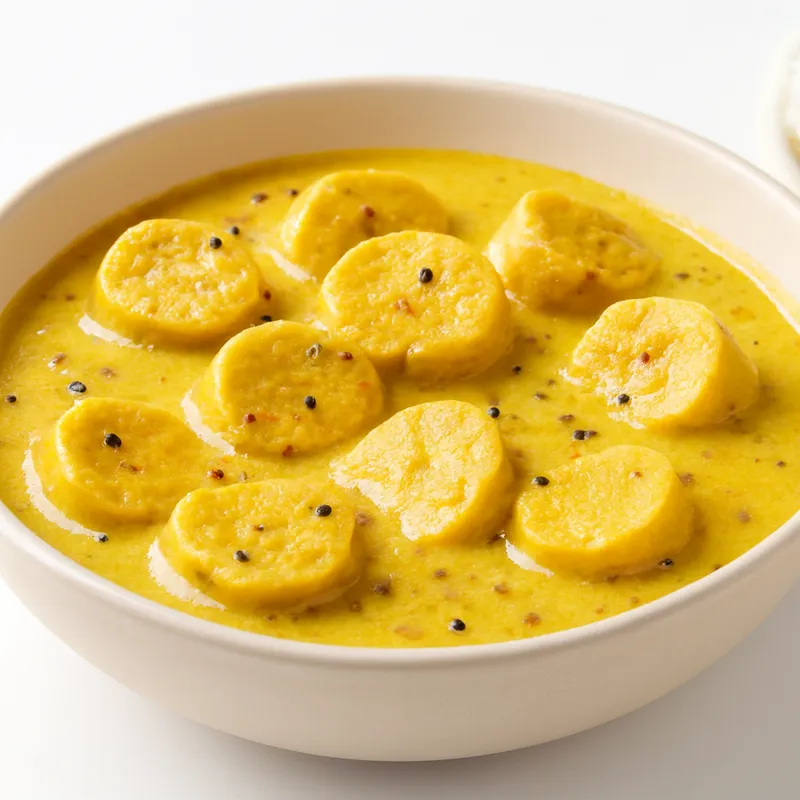
A porridge of rice and mung beans cooked with black pepper, cumin, and ghee, typical of Tamil Nadu.
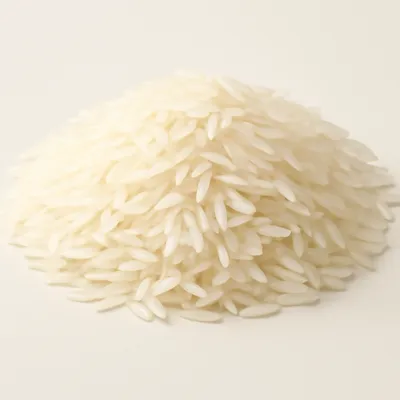
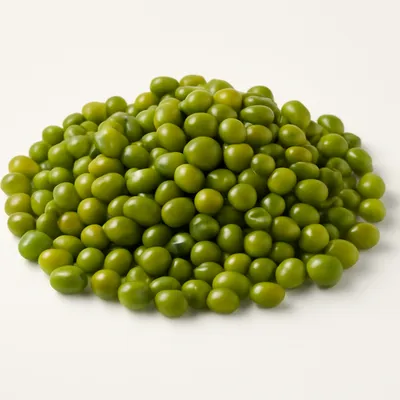

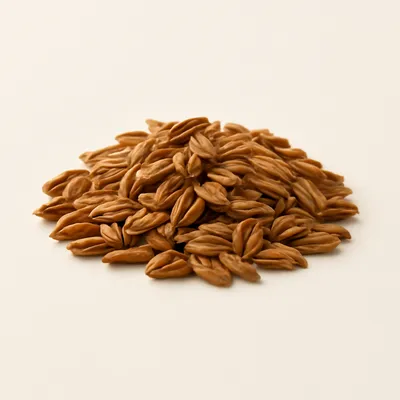

Tied to the Tamil harvest festival Pongal (mid-January, the Tamil month of Thai), where the dish is ritually cooked in a new clay pot in the morning sun until the milk overflows the rim — the moment of overflow is the auspicious one. The savory version (ven pongal) is the temple breakfast; the sweet version (sakkarai pongal) is the festival offering. The name and the dish share a verb meaning "to boil over."
Tied to the mid-January Tamil harvest festival of the same name — the dish must boil over the rim of a new clay pot at sunrise; the overflow itself is the auspicious sign. Mung dal is dry-roasted in ghee before cooking, or it tastes raw and grassy under the rice.
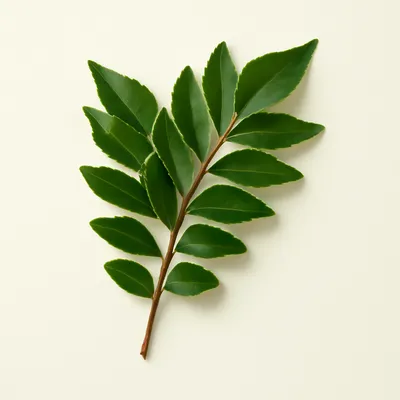
A loose, savory porridge of rice and split mung bean, the grains cooked past al dente into a creamy slump. Black pepper bites, cumin warms underneath, ghee pools on top with curry leaves and cashews. Asafoetida gives the back-of-the-mouth funk that ties it together. Eaten hot with coconut chutney and sambar; once it cools, it stiffens into a paste — only good fresh.
Mung dal is dry-roasted in ghee before cooking — without it, the lentil tastes raw and grassy under the rice. The pepper goes in whole, cracked at the table by chewing; pre-grinding turns the heat dusty and flat. Ghee-to-grain ratio is unforgiving: too little and it cools into glue, too much and it slicks the tongue before the cumin lands.
Variations
Ven pongal (savory, pepper-and-cumin) is the Tamil temple breakfast; sakkarai pongal is the festival sweet version with jaggery and cashew; Karnataka huggi is the dry stir-fried cousin; Andhra pulagam runs looser and serves with gongura pickle.
On the Palate
Where Pongal sits in the Indian flavor cloud
Ingredients



How it's made
5 steps · 1 hour
- 12 min
Rinse rice and mung beans and cook in water until soft.
- 28 min
Fry black pepper, cumin, and ginger in ghee until fragrant.
Watch outDry-roast the mung dal in ghee until it turns golden and smells nutty before it meets the rice — skip this and the lentil tastes raw and grassy.
- 33 min
Mix cooked rice and beans with the spice mixture.
- 45 min
Add cashews and curry leaves, stirring well.
- 515 min
Serve warm, drizzled with additional ghee if desired.
Watch outWatch the ghee-to-grain balance — too little and it stiffens into glue as it cools, too much and it slicks the tongue; it should stay loose and glossy.
Archive tool suggestions — not reviewed
These legacy suggestions have not been evidence-reviewed and are not presented as required tools.