A thin, peppery Tamil rasam built on the strained cooking water of boiled horse gram (kollu), soured with tamarind and seasoned with crushed black pepper, cumin, garlic, and tomato. Prized in Tamil Siddha medicine as a warming winter tonic for colds and weight management, it is drunk on its own or ladled over rice, with the spent boiled horse gram served alongside as a side dish.
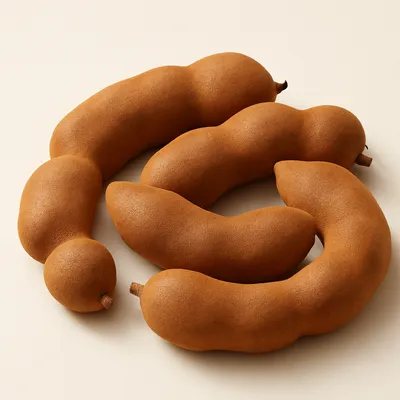


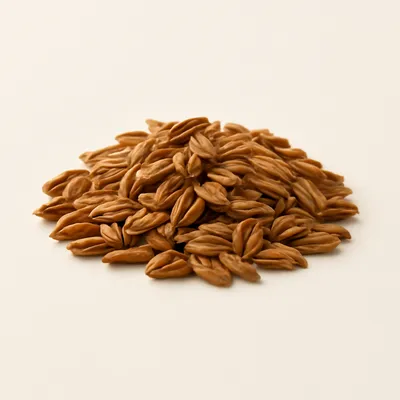

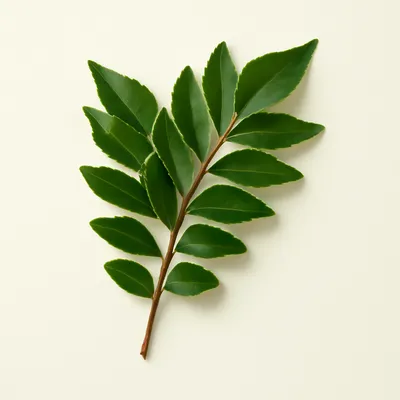
Horse gram (kollu) is among the oldest cultivated pulses of peninsular India — one of the founding domesticates of the Southern Neolithic on the Deccan plateau, recovered from archaeological sites dating to roughly 2500 BCE, its seed coat documented thinning from thick to thin between about 2000 and 1200 BCE as cultivation intensified. Hardy and drought-resistant, it became the pulse of the dry Tamil interior, and Tamil Siddha medicine classed it as a heat-producing food — a warming winter tonic prescribed for colds, a diuretic said to dissolve urinary stones, and a weight-reducing food, captured in the Tamil proverb that gives sesame to the thin and horse gram to the stout. Kollu rasam wastes nothing: the legume is boiled soft, its mineral-rich cooking water becomes the soup, and the spent grain is served as an accompanying side — a frugal one-pot logic long typical of the region's weekly winter table.
Thin and clean on the tongue, not creamy; tamarind's sour edge lands first, then the slow back-of-throat burn of coarse black pepper; garlic and cumin ground the broth in earthy warmth, and a whiff of curry-leaf and mustard tempering rises off the surface.
Horse gram's exceptionally hard seed coat demands long soaking and boiling; sustained heat near 100°C hydrolyzes and gelatinizes its dense starch and leaches water-soluble proteins, minerals, and phenolics into the cooking liquid, which is why the strained water carries body and nutrition rather than being thrown out. Tamarind contributes tartaric acid, dropping the pH and brightening the broth. Once tamarind and spices go in the rasam is deliberately never boiled hard — only brought to a froth — because prolonged boiling drives off the volatile aromatics of pepper and cumin and turns the tamarind flat and bitter. The final tempering blooms mustard seeds, dried chili, and curry leaves in hot ghee: fat-soluble aroma compounds and capsaicin dissolve into the fat and float as a fragrant film, seasoning the surface with every spoonful.
Variations
The spent boiled horse gram is rarely wasted — it is mashed into a thogayal or tossed with grated coconut and tempering as a poriyal side. Some households add a spoon of cooked toor dal or its water for a slightly fuller rasam; others crush a small shallot and extra garlic into the pepper-cumin paste. When the boiled water is not reserved separately, dry-roasted-and-powdered kollu can be simmered directly for a quicker version.
On the Palate
Where Kollu Rasam sits in the Indian flavor cloud
Ingredients
Serves 4

How it's made
7 steps · 15 min
- 13 min
Rinse the horse gram, dry-roast it in a hot pan for about a minute until fragrant, then soak in water for a few hours or overnight.
Watch outDry-roast the horse gram just until fragrant, about a minute — that toasting is what deepens the strained broth's nutty body.
- 240 min
Pressure-cook the soaked horse gram with plenty of water until very soft; strain, reserving the cooking water as the rasam base and setting the boiled grain aside for a side dish.
- 35 min
Soak tamarind in warm water, then squeeze and strain to extract the juice, discarding the fibrous pulp and seeds.
- 44 min
Coarsely pound black peppercorns, cumin seeds, and two or three garlic cloves into a rough, grainy rasam masala.
- 512 min
Combine the reserved horse-gram water with the tamarind extract, chopped tomato, turmeric, crushed garlic, curry leaves, and salt; simmer until the raw tamarind smell disappears.
Watch outSimmer the base until the raw tamarind smell is gone — cook it off fully or the rasam carries a green, sour-sharp edge.
- 63 min
Stir in the pounded pepper-cumin masala and chopped coriander and heat only until the surface begins to froth — do not let it boil hard — then take it off the heat.
Watch outTake it off the heat the moment the surface froths — never let rasam boil hard, or the pepper and cumin aroma cooks away.
- 73 min
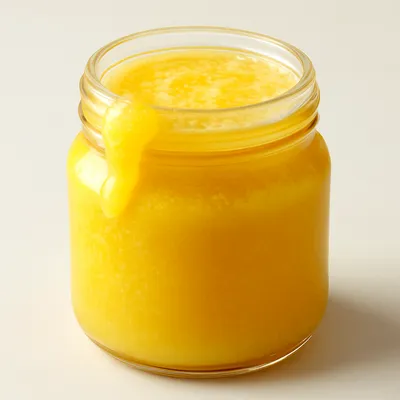
Temper mustard seeds, cumin, dried red chili, and curry leaves in hot ghee, pour over the rasam, and cover to trap the aroma.


