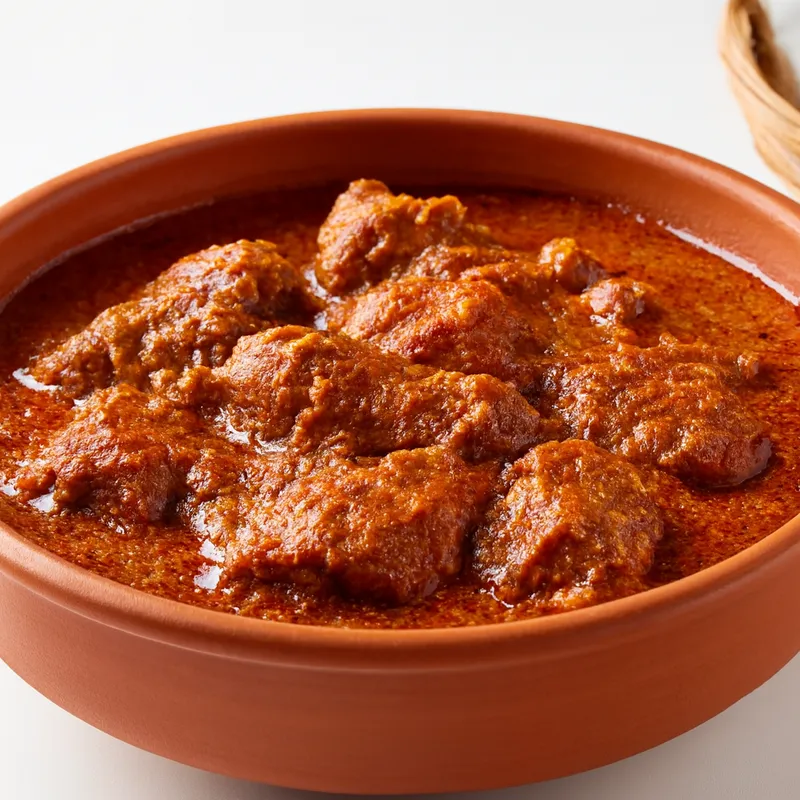
A thin, brothy pepper rasam built on tamarind water and coarsely cracked black pepper, tempered with cumin, garlic, and curry leaves in ghee, with neither tomato nor chili — the ancestral form of the entire rasam family, drunk hot as a cold-and-fever remedy or poured over plain rice.


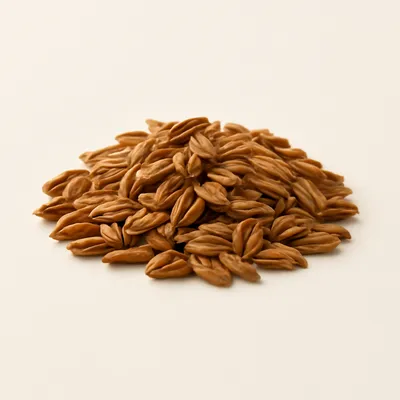

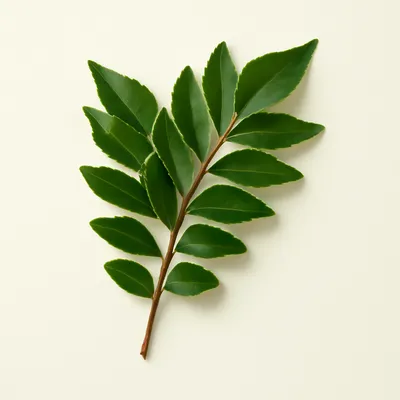
Black pepper is native to the Malabar coast of the Western Ghats, and tamarind has grown across the Tamil country for millennia, so a sour, peppery broth of the two predates both the tomato and the chili — plants that reached India only with Portuguese ships in the sixteenth century and entered everyday South Indian cooking far later. Milagu rasam preserves this ancient form. Its Tamil name, milagu thanni, means "pepper water," and it passed into English as "mulligatawny": in late-eighteenth-century Madras, British households wanting a soup course had their cooks thicken this pepper broth into the Anglo-Indian soup that still carries the corrupted name. In Tamil homes the dish never shed its medicinal role, kept in Siddha practice and home tradition alike as a broth for fever, cough, and weak digestion.
Thin and clean on the tongue, then the cracked pepper strikes at the back of the throat and opens the sinuses; tamarind's sour edge cuts underneath, garlic and cumin warm the middle, and the ghee-fried curry leaf lingers as the steam clears the head.
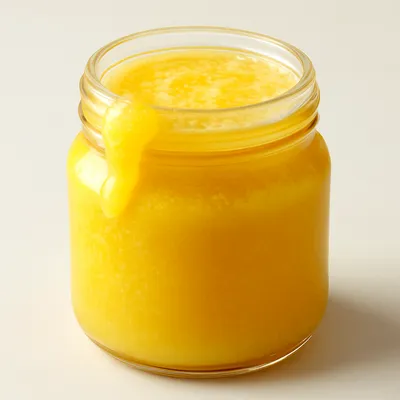
Pepper carries two active fractions: piperine, the heat-stable alkaloid that survives simmering to deliver pungency, and a set of volatile terpenes — limonene, sabinene, pinene, caryophyllene — held in the outer pericarp. Cracking the corns coarsely just before cooking ruptures these oil cells so the aroma escapes into the broth rather than being lost to storage. This is why milagu rasam is brought only to a rising froth and pulled off the flame the instant it threatens a full boil: prolonged hard boiling drives off the terpenes and leaves the broth flat and bitter. The tadka — mustard seeds bursting near 120℃, cumin and curry leaves blooming in hot ghee — extracts fat-soluble aromatics that water alone cannot pull, while tamarind's tartaric and citric acids hold the broth near pH 3.5, sharpening the pepper and stabilizing its punch. The rising steam, piperine, and cumin together act as a mild decongestant and carminative — the physiological basis of the dish's fever-and-cold reputation.
Variations
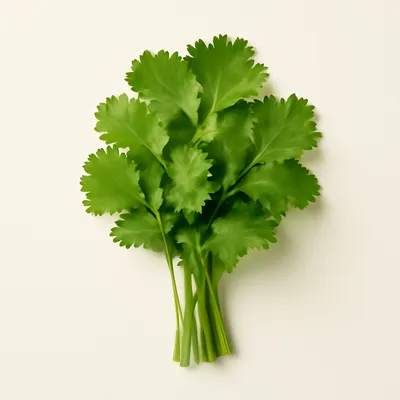
The purist milagu-jeeraga rasam drops even the lentil water, standing on tamarind, pepper, and cumin alone as the sharpest cold remedy. Many households pound a few cloves of garlic into the spice paste for a garlic-pepper version. Where a little body is wanted, the strained water from cooked toor dal is stirred in; a final scatter of fresh coriander and a spoon of ghee finish it, and a pinch of jaggery rounds the sourness in some homes.
On the Palate
Where Milagu Rasam sits in the Indian flavor cloud
Ingredients
Serves 4

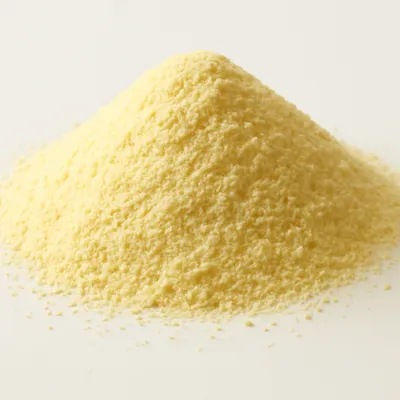
How it's made
7 steps · 10 min
- 115 min
Soak a lime-sized ball of tamarind in warm water for 15 minutes, then squeeze and strain to about 2 cups of tamarind water, discarding the pulp.
- 23 min
In a mortar, coarsely crush black peppercorns, cumin seeds, and peeled garlic together — cracked, not powdered.
Watch outCrush the peppercorns coarse, cracked not powdered — bursting the oil cells lets the aroma into the broth; ground too fine and it goes flat and dusty.
- 32 min
Pour the tamarind water into a pot with turmeric and salt, and stir in the crushed pepper-cumin-garlic and a sprig of curry leaves.
- 46 min
Simmer over medium heat for 5–7 minutes until the raw tamarind smell lifts and the surface begins to froth; never let it reach a rolling boil.
Watch outPull it the moment the surface froths up — never a rolling boil, or the aromatic terpenes boil off and the broth turns flat and bitter.
- 52 min
In a small pan, heat ghee and splutter mustard seeds, then add a dried red chili, a pinch of asafoetida, and a few curry leaves.
- 61 min
Pour the sizzling tempering into the rasam and cover at once to trap the aroma.
- 71 min
Pull off the heat as the froth rises, scatter chopped coriander, and serve steaming over rice or sipped from a cup.