A medicinal spiced rice from the Chettinad Siddha cooking tradition, prepared by toasting dried ginger, black peppercorns, cumin, bishop's weed, and curry leaves in gingelly oil before cooking the rice in the infused fat. Served to new mothers in the post-partum period, to the convalescing, and as the morning rice at the post-wedding breakfast of Chettiar households, it sits at the intersection of Tamil Siddha pharmacopeia and everyday cooking.
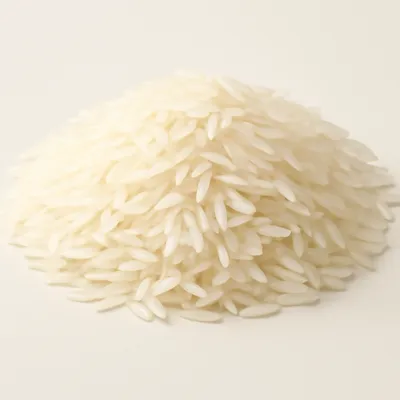


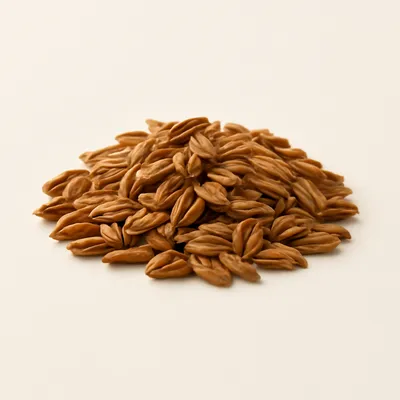

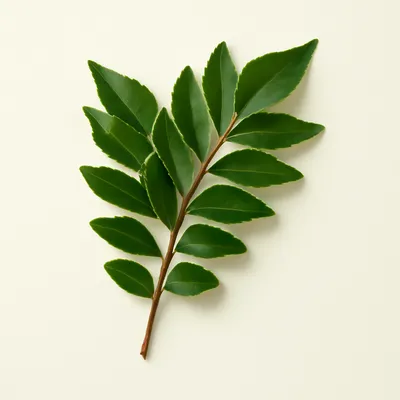
The Chettiar community of Chettinad has for generations integrated Siddha medicine — the ancient Tamil codified medical system attributed to the eighteen Siddhas — into domestic cooking, with households traditionally maintaining a dedicated stock of dried medicinal herbs used to prepare warming and restorative foods. Marunthu sadam sits within the Tamil pathya samayal (medicinal cooking) tradition, in which foods for postpartum recovery and convalescence are structured according to Siddha dietetic principles aimed at restoring internal warmth and digestive function. The dish is documented as a specifically Chettinad household preparation served at post-wedding breakfasts as a community ritual, a context that underscores its deep integration into Chettiar life rather than its status as a casual health preparation. The core quartet — dried ginger, black pepper, cumin, and bishop's weed — corresponds to the Siddha pharmacopeia's warming, kapha-reducing ingredient class, a combination that appears consistently across documented Chettinad medicinal-food traditions, though individual household herb blends vary widely and are guarded as family knowledge.
Gentle, warming, and deeply aromatic without being overtly spiced — the dried ginger's heat is rounded and penetrating rather than sharp, the bishop's weed gives a faint herbal undertone, and the rice cooks to a soft, slightly cohesive texture that makes it especially easy to eat when energy is low.
Dried ginger (sukku) differs chemically from fresh ginger: the drying process at around 60°C converts gingerols into shogaols, compounds with roughly double the bioavailability and a gentler, more penetrating warmth that suits sustained therapeutic use. Bishop's weed seeds contain thymol at up to 50% of their essential oil — a monoterpenoid phenol with documented carminative and antispasmodic effects; sautéing the seeds in gingelly oil maximizes fat-soluble extraction of thymol into the cooking medium. Black pepper contributes piperine, which inhibits intestinal metabolic enzymes and enhances absorption of the other bioactive compounds in the blend — a synergy that Siddha formulations exploited intuitively. The rice starch fully gelatinizes during the covered 18–20 minute simmer, producing a soft, easily digestible texture suited to convalescent use. The covered cooking phase allows aromatic volatile compounds from the entire spice blend to diffuse uniformly through the rice via steam, producing the characteristic even fragrance.
Variations
Some Chettinad households add dried moringa leaves, dried bitter gourd slices, or other Siddha herbs to deepen the medicinal profile. A richer postpartum version finishes the rice in coconut milk rather than water to provide easier calorie intake for nursing mothers. The same core spice combination made into a thin peppery broth is served as a starter digestive. A lightly palm-jaggery-sweetened version is sometimes prepared for children recovering from illness.
On the Palate
Where Marunthu Sadam sits in the Indian flavor cloud
Ingredients
Serves 4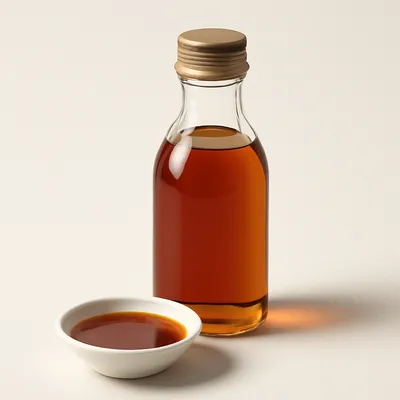

How it's made
7 steps · 20 min
- 122 min
Rinse 1 cup sona masoori or ponni rice 2–3 times until the water runs nearly clear; soak for 20 minutes, then drain completely.
- 22 min
Heat 2 tbsp gingelly oil in a heavy-bottomed pot over medium heat. Add ½ tsp bishop's weed, 1 tsp cumin seeds, and 1 tsp black peppercorns; stir-fry 30–45 seconds until fragrant.
Watch outFry the peppercorns, cumin and bishop's weed just until fragrant, thirty to forty-five seconds — push it and the spices scorch and turn the whole rice acrid.
- 32 min
Add 2 dried red chilies and 10 curry leaves; fry 30 seconds. Add a 3 cm piece of dried ginger (lightly pounded) and ½ tsp turmeric; stir 1 minute.
- 41 min
If using additional Siddha herbs such as dried moringa leaves, add now and stir briefly to coat in the spiced oil.
- 53 min
Add the soaked, drained rice; stir-fry gently 2–3 minutes until every grain is coated in the spiced oil and the rice smells lightly toasty.
- 620 min
Pour in 2 cups water and add 1 tsp salt; bring to a boil, then cover tightly and reduce to the lowest heat. Cook without lifting the lid for 18–20 minutes.
Watch outCook covered on the lowest heat without lifting the lid — peek and the escaping steam leaves the top layer of rice hard and undercooked.
- 75 min
Remove from heat; rest covered 5 minutes. Fluff gently with a fork and serve with a drizzle of ghee, plain yogurt, and a pinch of additional black pepper.
