A rustic one-pot rice-and-lentil meal from the Kongunadu uplands of western Tamil Nadu: raw rice and toor dal pressure-cooked together with garlic, onion, tomato, and sambar powder tempered in ghee, until the dal collapses into the grain and the whole turns soft and creamy — the everyday comfort lunch of Kongu farming homes, crowned with more ghee and a crisp papad.
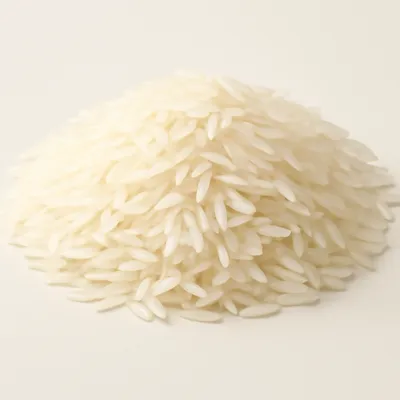
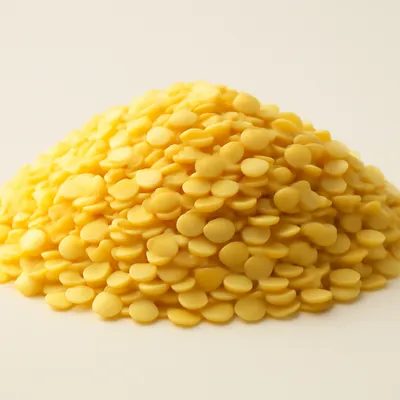




The Kongunadu — the western Tamil belt of Coimbatore, Erode, Salem, and Tiruppur — was old Chera country and a caravan crossroads between the Malabar coast and the eastern plains; its name is popularly traced to the Tamil kongu, "nectar." Kongu cooking is a farmhouse cuisine built on coconut oil, millets, and unfussy one-pot meals, and arisi paruppu sadam is its plainest weekday staple, especially in the landholding Gounder households. The name reads literally — arisi (raw rice), paruppu (lentil), sadam (cooked rice) — and its defining trait is method: whereas sambar sadam folds a separately made sambar into cooked rice, here rice and toor dal are cooked in a single vessel from the start, so the dal dissolves directly into the grain. It is the food of school lunchboxes and field lunches, forgiving enough to sit and stay soft.
Soft and yielding, almost porridge-like, each grain slack with dissolved dal; garlic and cumin run warm underneath, ghee gilds the whole with a nutty richness, and a bite of dried-chili heat lifts the edges — the crisp papad snapping against all that softness.
Soaking rice and toor dal before cooking lets water penetrate the starch granules and the dal's cotyledon, so both cook through evenly and fast. Because grain and lentil boil in the same water rather than being drained, the amylose leached from the rice and the soluble starch and protein from the collapsing dal stay in the pot and thicken it, gelatinizing into one soft, cohesive mass — the opposite of separate, fluffy rice. Toor dal's cell walls, held together by pectin, break down under sustained moist heat until the cotyledons disintegrate entirely into the grain. The tempering blooms fat-soluble aromatics — mustard seeds rupturing near 120℃, cumin's cuminaldehyde, garlic's allicin — into the ghee, which then coats every grain. Ghee is added again off the heat at the end because its volatile aroma esters would evaporate under prolonged cooking; folded in warm, they stay to perfume the dish.
Variations
Toor dal is considered irreplaceable for the true taste, though some homes swap in brown cowpeas or field-bean dal for a heartier pot. A pinch more sambar powder or a couple of extra dried chilies makes it spicier; a little grated coconut stirred in at the end nods to the coconut-oil Kongu palate. Consistency is a matter of household preference — more water for a soft, mushy sadam, less for a grainier one.
On the Palate
Where Arisi Paruppu Sadam sits in the Indian flavor cloud
Ingredients
Serves 4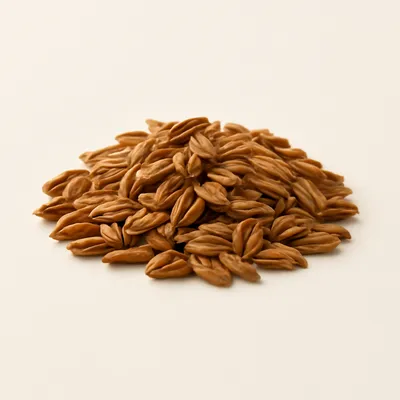


How it's made
7 steps · 10 min
- 130 min
Wash and soak 1 cup raw rice and ¼ cup toor dal together in water for 30 minutes, then drain.
- 23 min
Heat oil and ghee in a pressure cooker on low; splutter cumin and mustard seeds, then add dried red chilies and curry leaves.
- 34 min
Add crushed garlic and chopped onion, and sauté until golden.
- 45 min
Add chopped tomato, turmeric, sambar powder, and salt; cook until the tomato breaks down and the oil surfaces.
Watch outCook the tomato-masala until it breaks down and the oil surfaces — that split tells you the raw taste is gone; rice added into raw masala tastes flat.
- 52 min
Add the drained rice and dal, stir to coat in the masala, then pour in about 3½ cups water.
- 615 min
Close the cooker and cook for 3 whistles on medium heat, then let the pressure release naturally.
Watch outGive it exactly three whistles then let the pressure fall on its own — forcing the lid early leaves the dal grainy and the grains under-set.
- 76 min
Open, stir in a spoon of ghee, rest 5 minutes, and serve hot with papad or a stir-fried vegetable.


