A festive sweet-savory couscous from the hill towns of northwestern Tunisia—Le Kef and Béja—in which twice-steamed semolina is layered with slow-cooked lamb, medjool dates, raisins, and toasted almonds and pistachios, then moistened with warm milk and scented with orange flower water. The dish contains no tomatoes or hot peppers, anchoring it in a pre-Columbian culinary world. An annual spring festival around May 15 (the Mayyou) celebrates it as one of Tunisia's oldest living grain dishes.

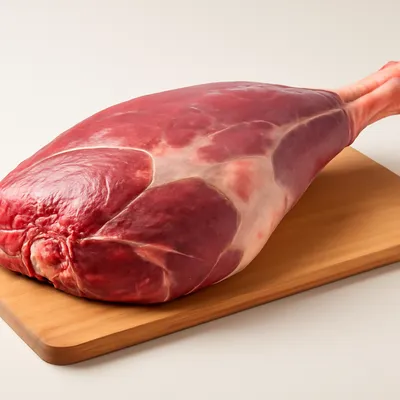
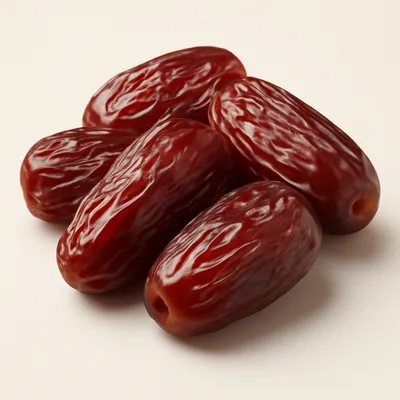
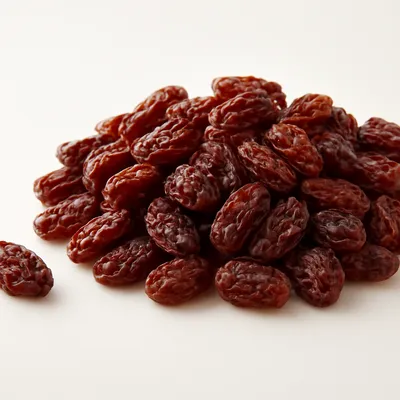
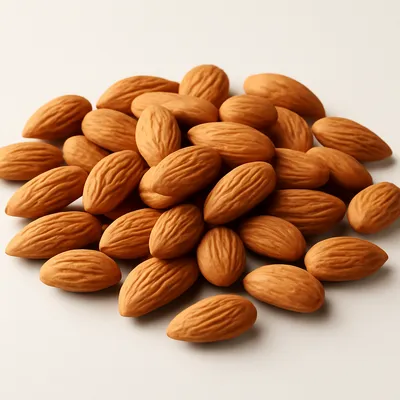
Borzgane is among Tunisia's oldest couscous preparations. Its complete absence of tomatoes and hot peppers—crops that reached North Africa no earlier than the 16th century—places the dish firmly in the pre-Columbian culinary world. Food historians link its grain-fruit-dairy structure to Berber and Punic-Roman ceremonial food traditions of the Kroumirie highlands and Kef basin, where cereals were combined with fruit and sheep's milk for seasonal rites. The annual Borzgane festival at Le Kef takes place around May 15, coinciding with the traditional agricultural transition called Mayyou (the passage from spring to summer); a lamb is traditionally slaughtered and the couscous moistened with fresh sheep's milk, a practice documented in Tunisian regional ethnography.
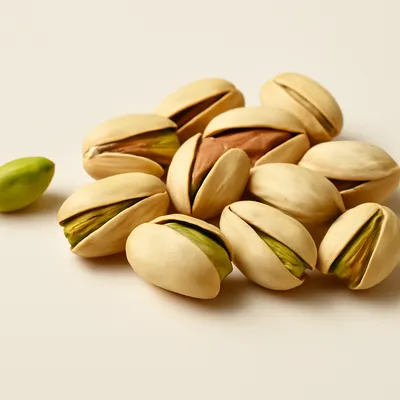
Warm, fragrant semolina hovering between savory and sweet—yielding lamb fat, the dense perfume of medjool dates, the crunch of lightly toasted almonds and pistachios, and the faint floral lift of orange flower water threading through every mouthful. Milk-softened grains carry each element cleanly without the weight of a meat broth.
Unlike broth-based couscous, Borzgane uses warm milk as its primary liquid. Milk proteins and lactose permeate the semolina as it absorbs, creating a cohesive, creamy texture rather than the fluffy grain separation of water-steamed couscous. Fat rendered from slow-cooked lamb coats the starch granules, slowing moisture loss and acting as a mild confit medium for the grain. Orange flower water's key aromatics—linalool and geraniol—are highly volatile above 100°C; drizzling off-heat preserves the floral note that would otherwise dissipate entirely during cooking.
Variations
Béja households sometimes substitute slow-cooked quince for dates; a lighter spring version uses olive oil instead of rendered lamb fat; wedding versions add a layer of saffron-tinted semolina; some families scatter walnuts and hazelnuts alongside the almonds and pistachios.
On the Palate
Where Borzgane sits in the Tunisian flavor cloud
Ingredients
Serves 8



How it's made
7 steps · 20 min
- 110 min
Hydrate the semolina: pour salted water over the grain in a large bowl and rake with fingers until every grain is moistened; rest for 10 minutes.
- 220 min
First steam: place the semolina in the couscousière upper basket and steam for 20 minutes; turn out, sprinkle with water and olive oil, and rake apart to separate the grains.
- 365 min
In the lower pot, brown the lamb pieces in oil over medium-high heat; add rosemary, salt, and enough water to cover; simmer over low heat for 60 minutes until tender.
- 415 min
Meanwhile, toast almonds and pistachios in a dry pan until golden; set aside. Soak raisins in warm water for 15 minutes, then drain.
- 525 min
Second steam: return the semolina to the basket and steam for 20 minutes; turn out into a wide bowl, stir in sugar, then drizzle warm milk over gradually, raking until fully absorbed.
Watch outDrizzle the warm milk in gradually on the second steam, raking as you go until it's all absorbed — pour it in all at once and the grains turn gluey instead of creamy.
- 610 min
Mound the semolina on a large serving platter; nestle the lamb pieces in the center; scatter dates, soaked raisins, and toasted nuts evenly over the top.
- 75 min
Drizzle with orange flower water and a little warm milk; serve immediately while the aroma is at its peak.
Watch outDrizzle the orange-flower water off the heat right before serving — its floral aroma boils away above 100°C, so this last-minute finish is when it counts.
Archive tool suggestions — not reviewed
These legacy suggestions have not been evidence-reviewed and are not presented as required tools.
