Crisp triangles of malsouka (brik pastry) filled with roasted ground almonds and sesame mixed with powdered sugar and scented with rose or geranium flower water, baked until shattering-crisp then plunged immediately into a warm lemon-and-orange-blossom syrup. A centrepiece sweet of Ramadan iftars and Eid celebrations across Tunisia, served sprinkled with sesame or crushed pistachios.

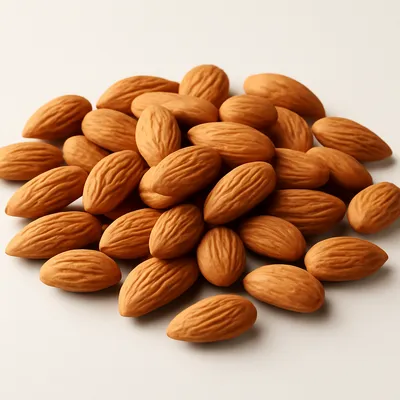


Samsa belongs to the pan-Maghrebi family of nut-filled, syrup-soaked pastries whose Arabic root is thought by some to reflect the word for sesame (simsim), the filling's primary ingredient. The wrapper—malsouka, North Africa's ultra-thin pastry sheet cousin of Moroccan warka—appears in Tunisian confectionery at least since the 19th-century Ottoman period, when sugar-syrup-soaked pastries became fixed Ramadan iftar fare across the Maghreb. The use of geranium flower water (eau de géranium) in some Tunis coastal recipes reflects 19th-century French colonial botanical introductions, while rose water versions follow older Andalusian-heritage traditions preserved in the Tunis medina.
Shatteringly crisp brik layers give way instantly at the bite, releasing a warm, toasted nuttiness from the almond-sesame filling; the flower-scented syrup clings to every fold, making each piece simultaneously crunchy, lightly sticky, and perfumed with orange blossom.
Malsouka is nearly pure starch in an extremely thin film; baking at 180 ℃ drives off moisture rapidly, dehydrating the starch layers to a glass-like crispness through retrogradation and complete desiccation. The Maillard reaction colours the surface golden at this temperature. Plunging the hot pastry into warm syrup exploits steam condensation inside the layers: as internal steam cools it contracts, creating a slight partial vacuum that draws syrup inward. As the syrup cools below 60 ℃ on the surface, dissolved sucrose re-crystallises into a thin, translucent glaze that briefly seals the crispness.
Variations
The filling ranges from pure almond to pure sesame or an equal-weight blend; some bakers add chopped hazelnuts or pistachios for colour. The syrup changes between rose water, orange blossom water, and geranium water by household tradition. A fried version—submerged in oil rather than baked—produces a darker, richer result with more pronounced caramelisation at the edges.
On the Palate
Where Samsa (Tunisian) sits in the Tunisian flavor cloud
Ingredients
Serves 24
How it's made
8 steps · 30 min active + 15 min waiting
- 18 min
Dry-toast ground almonds and sesame seeds separately in a heavy pan over medium heat until lightly golden and fragrant; cool completely.
- 25 min
Combine toasted almonds, sesame, powdered sugar, and flower water; mix to a moist, crumbly filling that holds when pressed.
- 35 min
Brush malsouka sheets with melted butter; stack two sheets together and cut into strips about 6 cm wide.
- 412 min
Spoon a teaspoon of filling onto one end of each strip; fold the corner diagonally to form a triangle, then continue folding along the strip, keeping the triangle shape tight; tuck in the final flap.
Watch outFold the triangles tight, keeping the shape snug all the way down the strip — a loose fold lets the filling leak and the pastry unravels in the oil.
- 53 min
Arrange triangles seam-side down on a buttered baking sheet; brush tops with remaining melted butter.
- 620 min
Bake at 180 ℃ for 18–20 minutes until evenly golden and completely crisp.
- 75 min
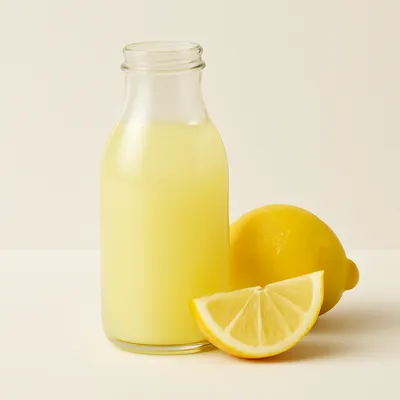
Meanwhile, simmer sugar, water, lemon juice, and orange blossom water together for 5 minutes to make a light syrup; keep warm.
- 85 min
Plunge hot pastries into the warm syrup for about 10 seconds, turning once; drain on a rack and sprinkle immediately with sesame seeds or crushed pistachios.
Watch outPlunge the hot pastries into warm syrup about ten seconds, then drain — hot into warm wicks in a thin glaze; leave them soaking and the crisp layers go soft.
Archive tool suggestions — not reviewed
These legacy suggestions have not been evidence-reviewed and are not presented as required tools.


