A rustic, hearty Tunisian couscous from the southern oases of Gafsa and the Jerid, built from chickpea-sized semolina granules rolled by hand and simmered together with multiple meats—lamb, rabbit, and poultry, sometimes joined by small fish—in a cumin-spiced broth. The oversize grains absorb the complex, multi-meat sauce while retaining a chewy resistance quite distinct from fine-grain couscous. Increasingly rare outside its southern heartland, it is a prized mark of Gafsian culinary identity.


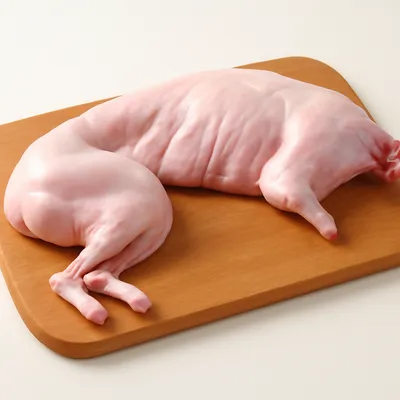
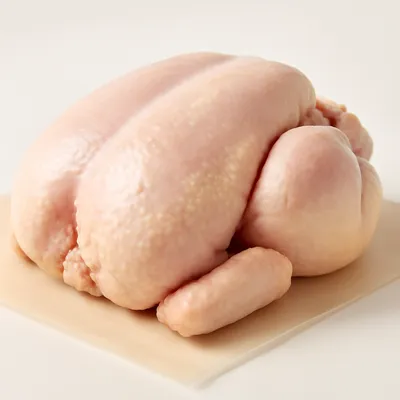


Barkoukech belongs to a large family of hand-rolled large-grain semolina preparations documented across the medieval Maghreb. The 13th-century Andalusian culinary scholar Ibn Razin al-Tujibi recorded similar large-grain pasta preparations in his treatise Fudalat al-Khiwan (c. 1238–1260), and later scholars note that by the 12th century North Africa already had as many pasta varieties as couscous preparations—with large-grain forms among them. In Tunisia the form settled in the oasis belt around Gafsa and the Jerid, evolving into a signature multi-meat preparation combining lamb, rabbit, poultry, and small fish—proteins that reflect the diverse resources of oasis agriculture and desert hunting. Today it is recognized as an endangered element of Gafsian regional cuisine.
Chewy, yielding semolina pearls soaked in a deep amber broth—meaty, earthy, laced with cumin and mild chili—with a satisfying resistance that fine-grain couscous cannot match. The layered flavors of lamb, rabbit, and poultry meld into a complex, collagen-rich gravy that coats each granule.
The oversize granules gelatinize starch gradually as they simmer directly in the broth: outer layers hydrate and soften first, while the interior reaches an al-dente texture rather than the uniform softness of steamed fine couscous. Multiple proteins build a collagen-rich broth—collagen from bone and connective tissue converts to gelatin above 71°C during extended simmering—giving the sauce body that coats each grain. Maillard browning during the initial high-heat meat searing (above 140°C) creates roasted notes that anchor the base flavor of the entire pot.
Variations
Northern and central Tunisian versions simplify to a single meat (lamb or chicken) with chickpeas; Algerian berkoukes uses similar large-grain semolina in a spiced broth without the multi-meat combination; winter versions in the Jerid sometimes substitute kaddid (air-dried preserved lamb) for fresh meat; a vegetarian variant replaces all meat with a double portion of chickpeas and root vegetables.
On the Palate
Where Barkoukech sits in the Tunisian flavor cloud
Ingredients
Serves 6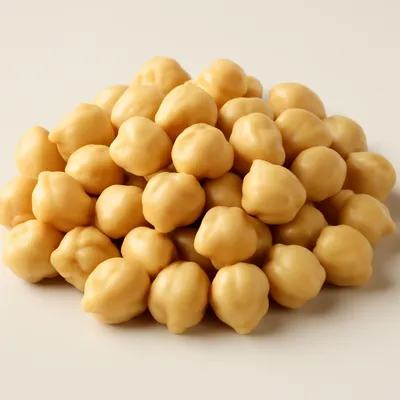

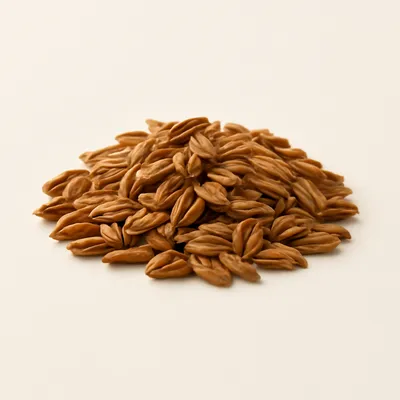
How it's made
7 steps · 30 min
- 130 min
Make the semolina granules: mix coarse semolina with water and a pinch of flour, then roll between your palms to form chickpea-sized balls; spread on a cloth and dry for 30 minutes.
- 210 min
Brown the lamb, rabbit, and poultry pieces in hot oil over high heat until golden on all sides; remove and set aside.
Watch outBrown all the meats hard before the broth goes in — that seared crust anchors the flavor of the whole pot; a pale sear leaves the base tasting thin.
- 38 min
In the same pot, sauté the onion until soft; add tomato paste, harissa, cumin, paprika, and salt; stir over medium heat for 5 minutes until the paste darkens.
- 410 min
Return the meats to the pot; pour in enough water to cover by 5 cm; bring to a boil, then reduce to a steady simmer.
- 545 min
Add the chickpeas and carrot; continue simmering for 45 minutes until the meats are nearly tender.
- 630 min
Add the semolina granules directly to the simmering broth; cook uncovered for 25–30 minutes, stirring occasionally, until the granules are swollen and al dente.
Watch outSimmer the granules right in the broth until swollen but still al dente — they cook in the soup, not steamed, so pull them while the center still has bite; overcook and they go gummy.
- 75 min
Adjust seasoning; ladle into deep bowls, arrange the meats on top, and spoon extra broth around the edges.
Archive tool suggestions — not reviewed
These legacy suggestions have not been evidence-reviewed and are not presented as required tools.

