Festive Tunisian couscous crowned with osban — sheep intestine casings stuffed with minced liver, rice, herbs, and chickpeas, sewn shut and simmered in a spiced tomato-harissa broth alongside turnips and carrots. A dish of major celebrations whose full-day labor makes it increasingly rare.


Osban (Arabic: عصبان, from a root meaning "bound intestines") is a sausage-like preparation documented across Tunisia, Libya, and Algeria, embodying the Maghrebi tradition of whole-animal cooking. It is associated above all with Eid al-Adha, when the ritual slaughter of a sheep makes offal abundant. Paired with couscous, it becomes a centerpiece of major Tunisian celebrations — weddings, circumcisions, and funerals. The French Wikipedia article on Tunisian cuisine notes its decline as a casualty of modern schedules: the full-day preparation — cleaning and blanching the organs the day before, filling and sewing the casings on the day of cooking — is now rarely undertaken outside major festive contexts.
Rich and deeply savory — the semolina drinks up the harissa-tinted broth, while each slice of osban yields a compact, herb-scented offal interior against the yielding braised skin.
Sewing the casing and pricking the surface prevents steam from bursting the sausage as the rice inside swells — rice absorbs roughly 2.5 times its dry weight in water as starch gelatinizes above 65℃. Ninety minutes of simmering at 85–95℃ converts collagen in the tripe wall to gelatin, turning the initially tough casing tender. Harissa's capsaicin concentrates as water evaporates, deepening the broth's heat over time.
Variations
Some families use beef tripe instead of sheep intestine; others add spinach and dill to the stuffing. Coastal versions replace the rice filling with coarse semolina. Osban can also be served standalone with bread, without any couscous.
On the Palate
Where Couscous bel Osban sits in the Tunisian flavor cloud
Ingredients
Serves 4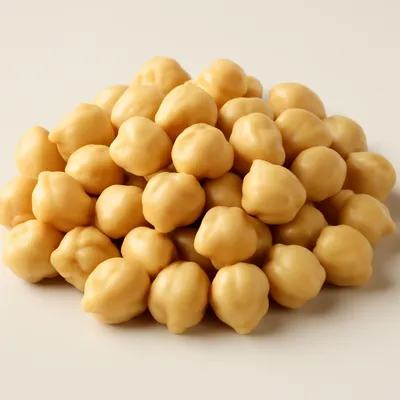
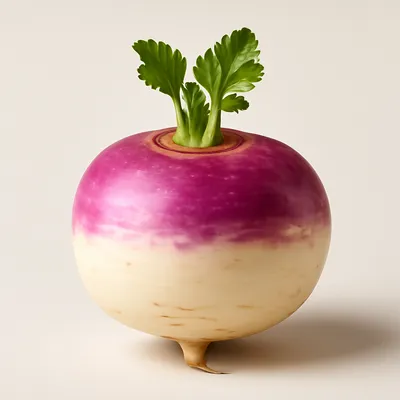


How it's made
7 steps · 1 hour
- 120 min
Day before: rinse intestine casings thoroughly under cold water; blanch in boiling water 10 minutes; drain and refrigerate. Soak chickpeas overnight.
- 215 min
Make the stuffing: dice lamb liver finely and combine with rinsed short-grain rice, chopped onion, parsley, coriander, tabel spice, cumin, turmeric, and salt.
- 320 min
Fill intestine casings two-thirds full with stuffing; sew openings closed with kitchen thread and prick the surface at 2 cm intervals to allow steam to escape.
Watch outFill each casing only two-thirds and prick it all over — rice swells to over twice its size, so a packed or unpricked sausage bursts in the simmer.
- 410 min
Sauté onion in olive oil until golden; stir in tomato paste and harissa; add drained chickpeas and enough water to cover by 5 cm; bring to a boil.
- 590 min
Add the stuffed osban, turnip, and carrot; reduce to a steady simmer and cook 90 minutes until the casing is fully tender when pressed.
Watch outSimmer the stuffed osban 90 minutes until the casing presses tender — the tripe wall needs that long, gentle heat to turn from rubbery to soft.
- 640 min
Meanwhile, steam the semolina in a couscoussier over simmering water in two 20-minute passes, raking and re-moistening between each pass.
Watch outSteam the semolina in two passes, raking and re-wetting between — skip the second pass and the grains steam up gummy and clumped instead of fluffy.
- 75 min
Mound the couscous on a large platter, ladle the spiced broth and vegetables over it, and arrange sliced osban on top.
Archive tool suggestions — not reviewed
These legacy suggestions have not been evidence-reviewed and are not presented as required tools.
