A bright springtime Tunisian stew of fresh green peas and artichoke hearts braised with lamb or chicken in a spiced tomato-harissa sauce — called marqet jelbana bil ganariya when artichokes join the pot, a pairing possible only during the brief Tunisian spring when both vegetables arrive in market simultaneously.


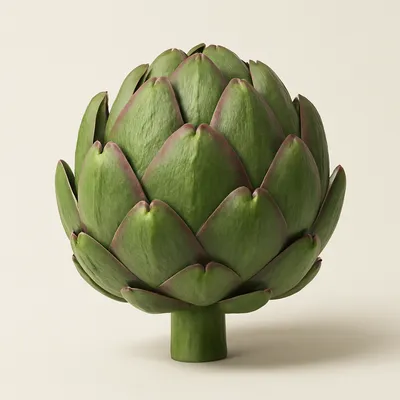


Marqa is the daily cooking idiom of Tunisian households — a shallow tomato-oil sauce built from fried onion and tomato paste, extended with water, used to braise meat and seasonal vegetables. Jelbana (green pea) stews appear on spring menus from Tunis to Sfax; the version with artichoke hearts (ganariya in Tunisian Arabic) reflects the Mediterranean practice of cooking companion vegetables whose seasons converge. Tunisia has cultivated artichokes along its northern coast since at least the 19th century, and the spring window — roughly February through April — brings both peas and artichokes to market at the same time. Tunisian food writing describes this dish as a textbook example of the marqa method: tomato-based, family-portioned, eaten communally from a shared dish with bread as the only utensil.
Fresh and vibrant — sweet peas pop against the spiced tomato broth while artichoke hearts lend an earthy, slightly bitter counterpoint; the warmth of harissa and tabel keeps every bite alive.
Peas cook rapidly once the stew reaches a simmer: starch granules gelatinize above 75℃, softening the flesh while natural sugars (sucrose, glucose) undergo early Maillard reactions with amino acids, producing a brief toasted warmth. Chlorophyll in fresh peas degrades to dull pheophytin above 80℃ over extended time, so peas are added late to preserve their color. Artichoke hearts contain cynarin, an organic acid that temporarily blocks sweet taste receptors, followed by a rebound sweetness — this mechanism adds perceived complexity to the broth. Tomato paste fried in oil undergoes Maillard browning that concentrates lycopene and glutamate, deepening the sauce foundation. Long simmering of lamb converts collagen to gelatin, enriching the broth's body.
Variations
Carrots or potatoes replace artichokes when out of season. A saffron version omits tomato and harissa for a golden, more delicate broth. Some coastal cooks add preserved lemon to the sauce for acidity. Veal is a common alternative to lamb in Tunis city versions.
On the Palate
Where Marqet Jelbana sits in the Tunisian flavor cloud
Ingredients
Serves 4


How it's made
7 steps · 15 min
- 110 min
Prepare artichoke hearts: remove outer leaves down to the pale inner core, cut off the top third, and rub all cut surfaces with lemon juice immediately; quarter each heart.
Watch outRub every cut artichoke surface with lemon the instant you trim it — exposed to air it browns fast and turns the hearts bitter-metallic.
- 25 min
Dice the onion; cut lamb or chicken into bite-sized pieces. If using fresh peas, shell them now.
- 35 min
Heat olive oil in a wide pot over medium heat; add onion and meat and sauté for 5 minutes until the onion is soft and the meat lightly colored.
- 42 min
Add tomato paste, harissa, tabel spice, turmeric, salt, and black pepper; stir and cook 2 minutes until the paste darkens.
Watch outFry the tomato paste and spices until the paste darkens and smells fragrant — this toasting builds the broth's depth; skip it and it tastes raw and thin.
- 520 min
Pour in 500 ml boiling water; bring back to a boil, add the quartered artichoke hearts and whole green peppers, then reduce heat, cover, and simmer for 20 minutes.
- 610 min
Add the fresh green peas; stir gently and cook uncovered for 10 minutes until peas are tender and sauce has thickened slightly.
Watch outAdd the peas near the end and cook only 10 minutes — long cooking dulls them from bright green to drab and loses their pop.
- 73 min
Taste and adjust seasoning; serve from a shared deep dish with bread for scooping.
Archive tool suggestions — not reviewed
These legacy suggestions have not been evidence-reviewed and are not presented as required tools.



