A pale, lemony winter stew of cardoon stalks braised with lamb in an acidulated sauce — one of the most labor-intensive seasonal dishes in the Tunisian kitchen, made from khorchef (the thorny wild relative of the artichoke) whose stalks require de-stringing, blanching, and lemon-water soaking before entering the pot.
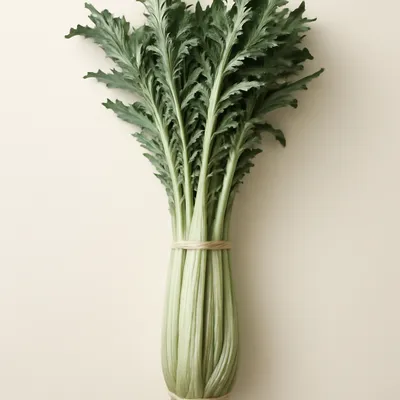

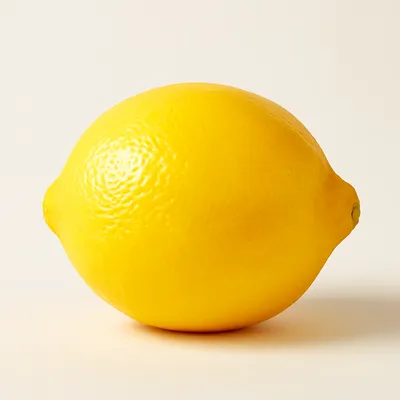



Cardoon (Cynara cardunculus) is the wild ancestor of the cultivated artichoke and has been eaten across the Mediterranean since antiquity — its edible stalks appear in the agricultural writings of Pliny the Elder and Columella. In North Africa, khorchef grows wild on hillside scrubland and has been harvested by Berber communities for centuries; the plant is also noted in medieval Arab agronomical texts on North African crops. The Tunisian stew tradition using khorchef stalks belongs to the broader winter marqa repertoire. French observers documenting Tunisian rural diet in the early 20th century recorded khorchef as a cold-season vegetable cooked specifically in lamb stews, noting the lemon-water soaking technique as essential — the stalks brown violently on contact with air, a characteristic that sets this ingredient apart from its cultivated relatives. The dish is limited to winter because the first frosts soften the fibrous strands in the stalks and mellow their bitterness.
Pale and lemony with a pleasant bitterness — the cardoon stalks become silky after braising, absorbing the lamb-enriched broth while their residual bitterness makes a satisfying counterpoint to the mild acidity of the sauce.
Cardoon stalks contain chlorogenic acid and related polyphenols that oxidize immediately on contact with air (same enzyme-substrate mechanism as artichoke and apple). Lemon juice (citric acid) suppresses polyphenol oxidase activity by lowering the pH below the enzyme's optimum and competing for the active site. Blanching above 70℃ irreversibly denatures polyphenol oxidase, permanently ending browning risk. During braising, the cardoon's stored inulin (a fructooligosaccharide) slowly hydrolyzes under the acidic conditions of the lemon sauce to release fructose, mildly sweetening the vegetable and softening perceived bitterness. Collagen in the lamb converts to gelatin at sustained 85–90℃ over 60+ minutes, adding viscosity and richness to the pale broth without masking its delicate acidity.
Variations
Some families add a spoonful of harissa for a redder, spicier sauce, departing from the classical pale version. A finishing drizzle of olive oil is common just before serving. In traditional versions cardoon is sometimes combined with lamb offal for a richer, more rustic preparation.
On the Palate
Where Marqet Qanaria (Khorchef) sits in the Tunisian flavor cloud
Ingredients
Serves 4


How it's made
7 steps · 35 min
- 110 min
Prepare the cardoon: cut the stalks into lengths and strip the tough outer strings from each piece with a vegetable peeler; remove any thorns. Immediately place all cut pieces in a large bowl of cold water with the juice of one lemon.
Watch outDrop each cut cardoon piece straight into lemon water — the stalks brown the instant they hit air, and the lemon's acid stops it; leave them out and they oxidize dark.
- 210 min
Blanch the cardoon pieces in a large pot of boiling salted water for 10 minutes; drain, rinse under cold water, then transfer back to fresh lemon water until needed.
- 311 min
In a heavy pot, heat olive oil over medium-high; add sliced onion and cook 3 minutes until softened. Add the lamb pieces and brown on all sides, about 8 minutes.
- 440 min
Add minced garlic, season with salt and black pepper; pour in 600 ml water and the juice of half a lemon. Bring to a boil, reduce to a low simmer, cover, and cook 40 minutes.
- 525 min
Drain the cardoon and add the pieces to the simmering lamb broth; stir gently once to submerge, cover, and cook for a further 25 minutes until the cardoon is completely tender.
Watch outAdd the blanched cardoon to the lamb broth and simmer twenty-five minutes until completely tender — it needs the full time to go soft all through; undercooked, it stays stringy and tough.
- 65 min
Taste the broth; adjust with additional lemon juice and salt — the sauce should be pale, lightly acidic, and just coat a spoon. If too thin, reduce uncovered over medium heat for 5 minutes.
- 74 min
Ladle into deep bowls, scatter torn flat-leaf parsley over the top, and serve with crusty bread; the pale lemony broth is made to be scooped generously.
Archive tool suggestions — not reviewed
These legacy suggestions have not been evidence-reviewed and are not presented as required tools.


