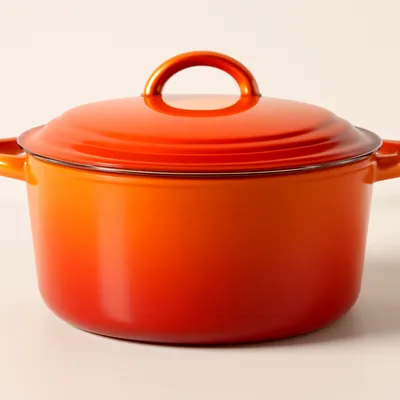
A Tunisian-Jewish Passover stew of lamb simmered with a lavish array of spring vegetables — artichokes, spinach, leeks, zucchini, fennel, fava beans — and fresh herbs, finished with broken matzah pieces that absorb the rich broth. Eaten at the Seder table, it is a thick, fork-eaten dish that celebrates the season's first harvest.

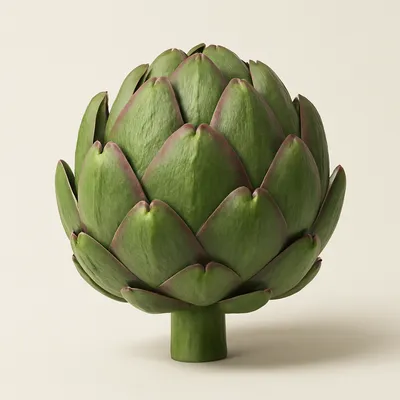
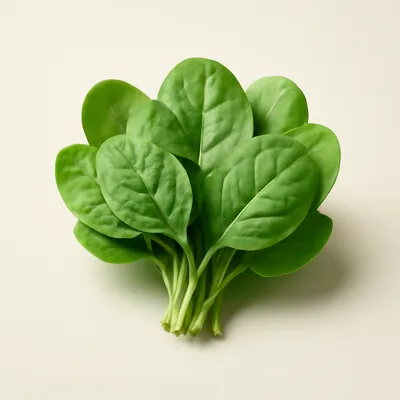


Msoki belongs to the Passover table of Tunisian and Algerian Jewish communities. Its name is likely linked to Maghrebi Arabic roots meaning 'to irrigate or saturate', reflecting the vegetable-saturated nature of the dish. Joan Nathan documents it in Quiches, Kugels, and Couscous (2010) as a Sephardi dish carried into the French Jewish diaspora. The inclusion of matzah as a thickener — not as a grain accompaniment — is a uniquely Passover adaptation that transforms the broth into a dense, unified mass. The Tunisian version, as recorded on the Harissa.com community archive by writer Annie Boukhris, is notable for its extraordinary breadth of spring vegetables: cardoon, kohlrabi, celery, fennel, romaine lettuce, fresh dill and mint all appear alongside the core lamb and spinach.
Dense and warmly vegetal — tender lamb amid soft-braised greens and roots, with pillows of matzah that have drunk deep of herbed broth, carrying a faint warmth from rose buds and spice.
Low, slow heat converts collagen in the lamb shoulder to gelatin, building body in the braising liquid. The sheer volume of vegetables releases water and pectin, thickening the stew further. Matzah, added in the final stage, gelatinizes residual starch from the broth and swells until it can absorb no more liquid — collapsing the boundary between stew and pudding. Rose buds and cinnamon release fat-soluble terpenes that dissolve into the olive oil base early in the cook, distributing their aroma evenly through the long braise.
Variations
Some families substitute beef brisket for lamb, or combine both. The osbane (stuffed lamb intestine) version adds deep offal richness. Vegetable selection shifts by season and family — cardoon, kohlrabi, romaine lettuce and fresh dill are all documented additions. Matzah quantity varies by region: some communities use thick pieces for a more bread-like texture, others crumble it finely for near-complete dissolution.
On the Palate
Where Msoki sits in the Tunisian flavor cloud
Ingredients
Serves 8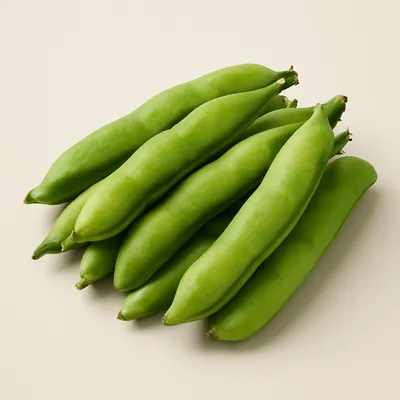

How it's made
7 steps · 45 min
- 18 min
Brown lamb shoulder pieces in olive oil in a large Dutch oven over medium-high heat until golden on all sides, about 8 minutes. Remove and set aside.
- 27 min
Add onions and garlic to the same pot; sauté until softened. Stir in dried rose buds, cinnamon or nutmeg, dried chili, salt and pepper.
- 36 min
Add firm vegetables — carrots, turnips, kohlrabi, fennel — and stir to coat with the seasoned fat. Cook 5 minutes, then return lamb to the pot.
- 445 min
Add enough water to barely cover the meat and vegetables. Bring to a boil, then reduce to the lowest possible simmer. Cover tightly and cook 45 minutes.
Watch outAdd water to barely cover, then drop to the lowest simmer and cook covered — a slow, gentle heat turns the lamb's collagen to gelatin for body; a hard boil toughens the meat and clouds the stew.
- 55 min
Add the delicate greens and aromatics: spinach, leeks, zucchini, artichoke hearts, fava beans, spring onions and fresh herbs (parsley, cilantro, dill, mint).
- 645 min
Continue simmering, covered, for a further 40–50 minutes until lamb is fully tender and all vegetables are very soft. Adjust seasoning.
- 710 min
Break matzah sheets into rough pieces and stir into the stew. Cook uncovered for 10 minutes, stirring once, until matzah has absorbed the liquid and the dish is thick and almost solid. Serve at the table with forks.
Watch outStir the broken matzah in and cook ten minutes uncovered until it swells and drinks up the liquid and the pot goes thick and almost solid — that's the moment it crosses from stew to pudding; overcook and it turns to paste.
Archive tool suggestions — not reviewed
These legacy suggestions have not been evidence-reviewed and are not presented as required tools.