A fine powder of dry-roasted barley, wheat, and chickpeas ground with anise, coriander, fennel, and sugar — eaten as a dense paste with olive oil and honey or stirred into warm milk as a drink. Tunisia's original energy food, carried by nomads and served at Ramadan, postpartum recoveries, and Judeo-Tunisian spring ceremonies.


Bsissa traces its roots to ancient Ifriqiya — the modern Tunisian heartland — where Berber and Carthaginian-era peoples prepared portable roasted grain powder for travel. Arab geographers of the medieval Maghreb recorded similar preparations under names including rwina and zemmita, noting their use by desert caravans crossing the Sahara. The dish remains central to Tunisian life: distributed to new mothers after childbirth for postpartum recovery; consumed at suhoor (pre-dawn meal) during Ramadan for its sustained caloric release; and the centerpiece of a Judeo-Tunisian ceremony on the first of Nisan, during which the household patriarch mixes bsissa with olive oil using his house key while reciting an Arabic blessing — the powder symbolizing the mortar of the Mishkan, a ring placed inside recalling the sanctuary's gold. Since the early 2000s, the coastal Sahelian city of Lamta has held an annual bsissa festival in which families compete over house recipes; scholars have documented it as a key vehicle of intangible culinary heritage in the Tunisian Sahel.
Dense and deeply nutty with warm toasty notes from the roasted grains; when worked into a paste, honey and olive oil smooth it into something approaching nut butter — firm enough to mold in the palm, yielding on the tongue. Anise and fennel lend a gentle licorice brightness against the earthy legume base. As a warm drink, the suspended powder gives a pleasantly grainy mouthfeel, with sweetness first and a lingering warmth through the finish.
Dry roasting triggers the Maillard reaction in grain and legume starches and proteins: surface temperatures above 150°C produce pyrazines and furanones responsible for the characteristic nutty, toasty aroma. Prolonged dry heat also dextrinizes starch chains, breaking long amylose molecules into shorter dextrins that dissolve more readily and digest faster — the mechanism behind bsissa's rapid, sustained energy delivery. In chickpeas, roasting deactivates trypsin inhibitors and reduces phytic acid, improving protein bioavailability significantly. Nutritionally, wheat (high methionine, low lysine) and chickpea (high lysine, low methionine) amino acid profiles are complementary, yielding a near-complete protein when ground together. When stirred with olive oil, the fine powder's hydrophilic starch granules and hydrophobic oil droplets form a semi-stable emulsion bridged by naturally present grain proteins, transforming loose flour into a cohesive, plastic paste.
Variations
Paste form (bsissa bel-zeit): olive oil and honey worked in by hand to form a dense, moldable ball eaten with dates or figs — the most common Ramadan suhoor preparation. Drink form (rwina): stirred into warm milk or water and sweetened, drunk before dawn. Djerban bsissa: the island variation incorporates fenugreek and turmeric for a more pungent, deeply colored powder. Zemmita (eastern Algeria): similar preparation using dried fruits, thyme, rosemary, and harour spice blend. Libyan version may incorporate powdered dates for added natural sweetness.
On the Palate
Where Bsissa sits in the Tunisian flavor cloud
Ingredients
Serves 4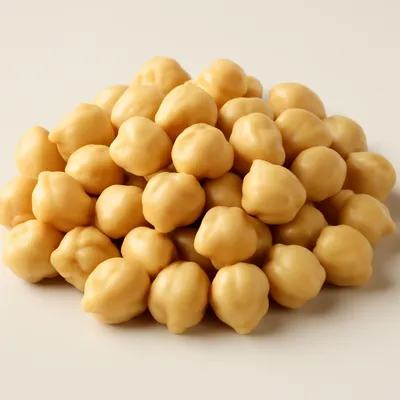

How it's made
9 steps · 15 min
- 110 min
Sort and wash barley and wheat berries, then spread on a clean cloth and air-dry for 10 minutes.
- 210 min
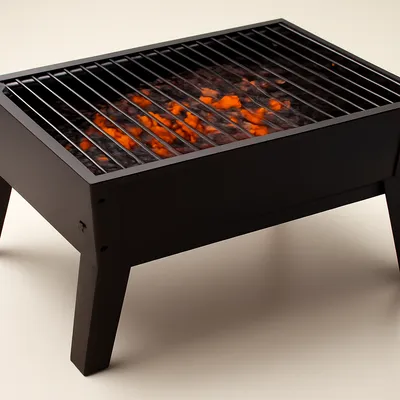
Dry-roast barley over medium heat in a heavy pan, stirring constantly, until golden-brown and fragrant, about 8-10 minutes.
Watch outDry-roast each grain to golden-brown and fragrant, stirring nonstop — this toasting is the whole nutty flavour of bsissa; scorch it and the powder turns bitter.
- 312 min
Repeat separately with wheat berries and then dried chickpeas, roasting each until lightly golden and aromatic.
- 410 min
Spread all roasted grains and chickpeas on a tray and allow to cool completely to room temperature.
- 55 min
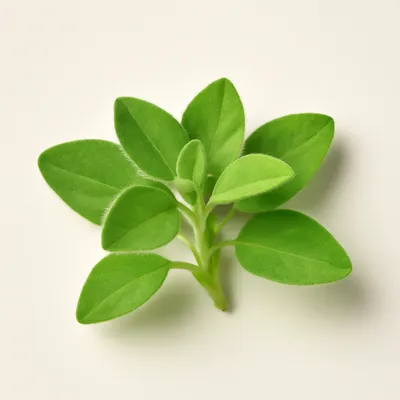
Combine cooled grains, chickpeas, and spices (anise seeds, coriander seeds, fennel seeds, marjoram) together with sugar.
Watch outCool the roasted grains completely before grinding — grind them warm and the residual steam clumps the powder and it won't sift fine.
- 68 min
Grind the mixture in a grain mill or powerful blender to a very fine, uniform powder, then sift through a fine-mesh sieve.
- 75 min
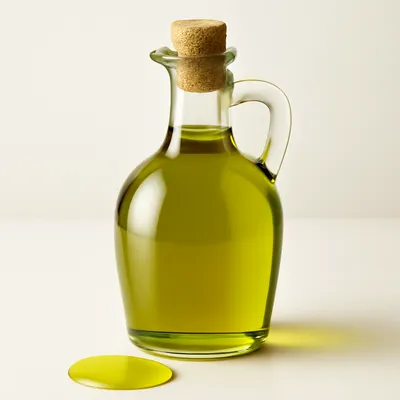
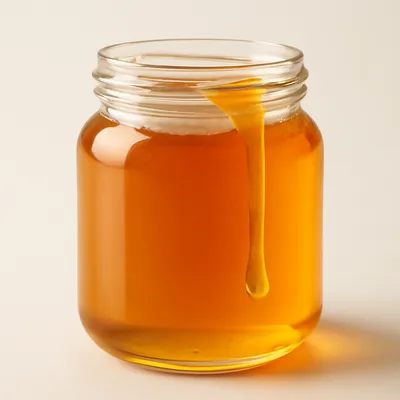
For paste: add olive oil and honey to the powder incrementally, working by hand until it forms a cohesive, moldable ball.
- 83 min
For drink: whisk 3-4 tablespoons of bsissa powder into a cup of warm milk or water until fully dissolved and smooth.
- 92 min
Serve the paste alongside dates and figs; serve the drink warm or at room temperature.
Archive tool suggestions — not reviewed
These legacy suggestions have not been evidence-reviewed and are not presented as required tools.