Tunisia's national condiment — a deep-red paste of roasted or dried chili peppers, including the mild Baklouti variety from Cape Bon, pounded with garlic, caraway, coriander, cumin and olive oil. Made in virtually every Tunisian household and produced commercially in Nabeul, it seasons soups, couscous, lablabi and grilled meats. In November 2022 UNESCO inscribed the knowledge, skills and culinary and social practices surrounding harissa on the Representative List of Intangible Cultural Heritage.




Chili peppers reached Tunisia during the Spanish colonial presence in Hafsid Tunisia between 1535 and 1574, first taking root on the Cape Bon peninsula. The Baklouti pepper — mild at 4,000 to 5,000 Scoville heat units, cultivated around Nabeul and Gabès — became the cornerstone of authentic Tunisian harissa; the name itself derives from the Arabic root harasa, meaning to pound. Nabeul emerged as the capital of commercial production; by 2006 Tunisia processed 40,000 tonnes of peppers annually to produce 22,000 tonnes of harissa, making it the world's largest exporter. The annual Nabeul Harissa Festival, held in October after the Baklouti harvest, preserves artisanal knowledge across generations.
Intense and layered — first the aromatic bloom of caraway and garlic, then a sustained warmth that builds without searing. Olive oil provides roundness that prevents the heat from dominating. A small spoonful transforms any broth or bread into something unmistakably Tunisian.
Roasting converts pepper phenolics through Maillard reactions, building smoky depth. Capsaicin, a vanillyl amide, binds heat-sensing receptors in the mouth, generating perceived heat without true temperature increase. Pounding ruptures cell walls, releasing volatile aromatics — carvone from caraway, linalool from coriander — into the paste. Olive oil disperses these fat-soluble compounds throughout, extending flavor and lowering water activity to extend shelf life.
Variations
Fresh harissa uses raw rather than roasted peppers for a brighter flavor; some households add dried rose petals or mint; the related Libyan and Israeli filfel chuma is a garlic-forward pepper paste. Commercial versions come in tubes, jars and cans.
On the Palate
Where Harissa (Tunisian) sits in the Tunisian flavor cloud
Ingredients
Serves 8
How it's made
7 steps · 20 min
- 15 min
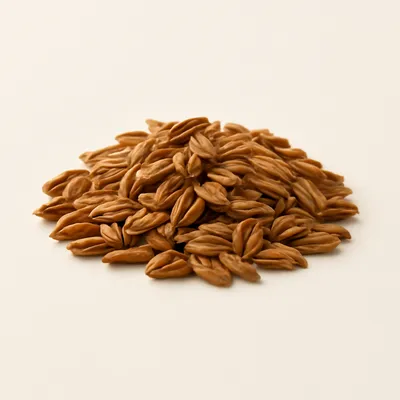
Toast caraway, coriander and cumin seeds in a dry skillet over medium heat for 1 to 2 minutes until fragrant; remove from heat and cool.
- 220 min
Soak dried red chili peppers in warm water for 20 minutes; drain, deseed and squeeze out excess moisture.
- 35 min
Peel garlic cloves and pound them with coarse salt in a heavy stone mortar until a smooth paste forms.
Watch outPound the garlic with salt to a smooth paste first — the salt's grit helps break the cells and the paste base keeps the harissa from separating.
- 410 min
Add reconstituted chili peppers a few at a time, pounding and turning continuously until the mixture forms a rough paste.
- 55 min
Add the toasted spices and pound until fully incorporated and the paste is smooth and uniform.
- 65 min
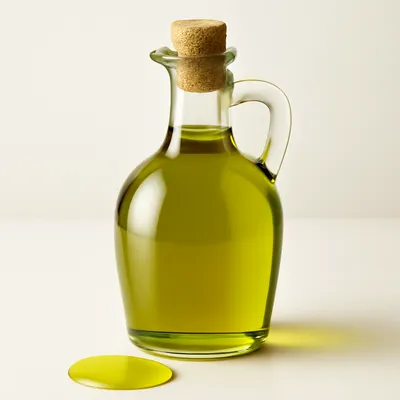
Drizzle in olive oil in a thin stream while continuing to fold and pound, working to a glossy, cohesive consistency.
Watch outDrizzle the oil in slowly while pounding until glossy and cohesive — the oil carries the fat-soluble aromatics and seals the surface for keeping.
- 75 min
Transfer to a clean jar, smooth the surface and cover with a thin layer of olive oil to seal; refrigerate for up to one month.
Archive tool suggestions — not reviewed
These legacy suggestions have not been evidence-reviewed and are not presented as required tools.