
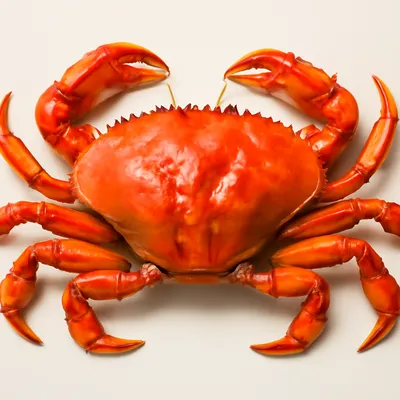
Soft fresh-pressed rice noodles drowned in a thick coconut-and-crab curry — the crab version of southern nam ya, richer and sweeter than the everyday mackerel one. A pounded paste of dried chili, lemongrass, galangal, fingerroot, shrimp paste and a heavy hand of fresh turmeric is simmered in coconut milk, then loaded with picked crab meat and the orange crab fat that gives the sauce its body and its colour. It is ladled over the noodles at the table and eaten with a platter of raw vegetables and herbs. In the deep south the dish runs frankly hot; the crab keeps it sweet underneath.


Khanom jeen is Thailand's oldest noodle, a mildly fermented fresh rice noodle of Mon origin documented to the Ayutthaya period and predating the Chinese rice-noodle wave. Nam ya — loosely "medicine water," after the herbal-curry base built on fingerroot, an old folk remedy — is most often made with pounded mackerel or snakehead. The crab version, nam ya pu, swaps that fish for crab meat and crab fat and belongs to the coastal southern provinces, where blue swimming crab is abundant; southern cooks lean on fresh turmeric, which colours and perfumes the curry and marks it apart from central versions. It is a temple-festival and breakfast dish because both noodle and curry are easily made in volume.
The noodles are cool, soft and faintly sour from their light ferment; the curry comes over them warm and thick enough to coat. Crab reads sweet and clean against the deep savour of shrimp paste and the resin of fingerroot, with fresh turmeric giving an earthy, almost medicinal bottom note. Then the chilies arrive — a slow, building heat that the coconut fat carries but never quite quenches. You tear in handfuls of long bean, cucumber, bean sprout and pickled greens to cut it, and the cold raw crunch against the hot rich sauce is the whole pleasure.
Crab can't be handled like the fish in a classic nam ya. Fish is poached then pounded into the paste so it dissolves and binds the coconut milk; pound crab the same way and you waste the sweet meat and turn it to mush. Instead the curry gets its body two ways — fresh turmeric and a long simmer thicken it, and the orange crab fat, stirred in early, emulsifies into the coconut to enrich and colour the sauce — while the picked white meat is folded in near the end and barely cooked, so it stays in tender flakes. Crack the coconut cream first over a low flame until the oil splits and the curry paste "fries" in it; that toasts the aromatics and is what separates a fragrant nam ya from a raw, flat one. The noodles' faint sourness is structural, cutting a sauce this rich; fresh rice vermicelli without the ferment leaves the bowl one-note.
Variations
The everyday nam ya uses pounded mackerel or snakehead instead of crab; nam ya pa drops the coconut milk and leans hard on fingerroot for a thinner, sharper sauce; deep-south Pak Tai cooks push the chili and fresh turmeric further and may sour the curry with sliced som khaek (garcinia). Some southern kitchens fold in both crab meat and pounded fish. The garnish platter shifts with the market — banana blossom, winged bean, raw long bean, pickled mustard greens.
On the Palate
Where Khanom Jeen Nam Ya Poo sits in the Thai flavor cloud
Ingredients
Serves 4


How it's made
8 steps · 1 hour 10 min active + 20 min waiting
- 118 min
Steam or boil whole blue swimming crabs until just done, then pick the white meat and reserve the orange crab fat from the shell separately.
- 220 min
Pound a paste of soaked dried red chili, lemongrass, galangal, fingerroot, garlic, shallot, plenty of fresh turmeric, and shrimp paste until smooth.
- 38 min
Crack the thick coconut cream over low heat until the oil splits, then fry the curry paste in the oil until deeply fragrant.
Watch outFry the paste until the oil splits red and it smells nutty-fragrant, not raw — this is where the curry's depth is built.
- 44 min
Stir in the crab fat and let it emulsify into the cream, colouring the sauce orange.
- 514 min
Add the rest of the coconut milk and a little stock, season with fish sauce and a touch of palm sugar, and simmer to thicken.
- 65 min
Fold the picked crab meat in at the end and warm through gently so it stays in flakes.
Watch outFold the crab meat in at the very end and only warm it through — a real simmer shreds the sweet white meat to mush.
- 76 min
Blanch fresh khanom jeen rice noodles briefly and coil them into serving bowls.
- 83 min
Ladle the hot crab curry over the noodles and serve with a platter of raw vegetables, herbs and pickled greens.


