A Phu Quoc island specialty whose name means "stir it yourself." Fresh rice noodles are extruded into the bowl and topped with hand-pounded squid and fish paste, then covered with a light, clear seafood broth. What sets it apart is the table ritual: each diner mixes their own dipping sauce from salt, ground chili, sugar, MSG, lime, and a raw fresh kumquat, adjusting it to taste before dunking the seafood.


Bun quay is a relatively young dish, traced to Phu Quoc — the large island off Vietnam's southwestern coast better known for its fish sauce. Local accounts place its rise in the 2000s, when island noodle stalls began extruding fresh rice noodles directly into the bowl over an order of just-pounded squid and fish paste, using the abundant day-boat seafood of the Gulf of Thailand. The name comes straight from the eating method rather than any deep tradition; the dish spread to mainland tourist towns only as Phu Quoc opened to tourism. Some stalls credit a particular family of noodle-makers, but no single origin is firmly documented.
The broth is deliberately plain — clear, lightly sweet from the seafood bones, almost under-seasoned, because the flavor is meant to come from the dip you build yourself. The squid and fish paste are springy and snap-fresh, pounded rather than ground so they keep a bounce. The fresh noodles are softer and slicker than dried ones. The first spoonful tastes mild; then you crush the kumquat into your salt-chili saucer, dunk a piece of squid, and the bowl wakes up.
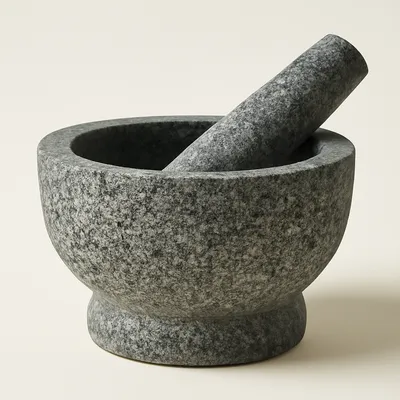
Two techniques carry the dish. First, the seafood paste: fresh squid and white fish are pounded with a pestle, not blitzed in a machine — the slow beating develops the proteins into an elastic, snapping curd rather than a smooth puree, which is why the texture survives the hot broth. Second, the noodles are pushed through a hand press straight into the simmering pot so they arrive in the bowl at their softest, never having dried or been refrigerated. The clear broth is kept light on purpose; over-seasoning it would collide with the strong personalized dip and flatten both.
Variations
The canonical version runs squid and fish paste together; shrimp paste or fish balls get added at heartier stalls. Some islanders take it "kho" — dry, with just a small bowl of broth on the side instead of a full soup. The dipping saucer is where personalities show: more chili, more lime, a heavier hand with the kumquat. Mainland tourist versions sometimes pre-season the broth, which Phu Quoc purists consider missing the point.
On the Palate
Where Bun Quay sits in the Vietnamese flavor cloud
Ingredients
Serves 2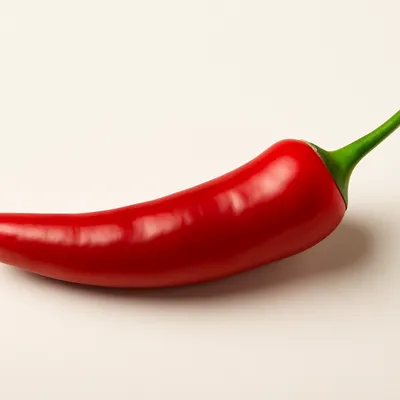

How it's made
6 steps · 35 min active + 15 min waiting
- 115 min
Pound fresh squid and white fish fillet with a pinch of salt and sugar in a mortar until they form a sticky, elastic paste.
Watch outPound the squid and fish by hand, not in a machine — the slow beating builds a springy, snapping curd that survives the hot broth; blitzing gives a soft puree.
- 225 min
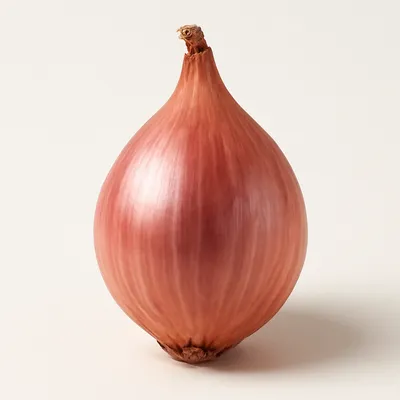
Simmer fish bones and a piece of dried squid with shallot for a light, clear seafood broth; season very lightly.
- 38 min
Bring a fresh rice-noodle dough through a hand press directly into boiling water (or blanch fresh rice noodles), then lift into serving bowls.
- 46 min
Spoon dollops of the pounded squid-and-fish paste into the hot broth to poach until they float.
Watch outPoach the paste dollops just until they float — that's the signal they've set, and any longer only toughens them.
- 52 min
Ladle the clear broth and poached seafood paste over the noodles.
- 63 min
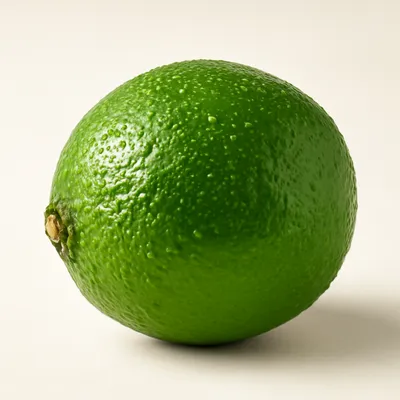
Set out the table dip: salt, ground chili, sugar, MSG, with lime wedges and a fresh kumquat for each diner to mix and crush to taste.
Archive tool suggestions — not reviewed
These legacy suggestions have not been evidence-reviewed and are not presented as required tools.