
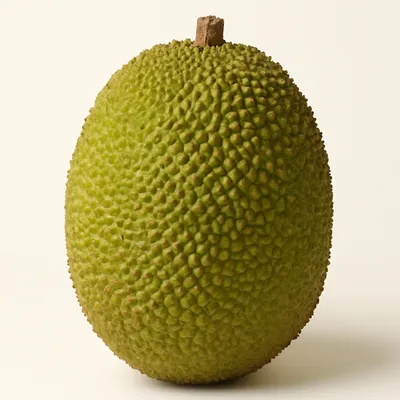
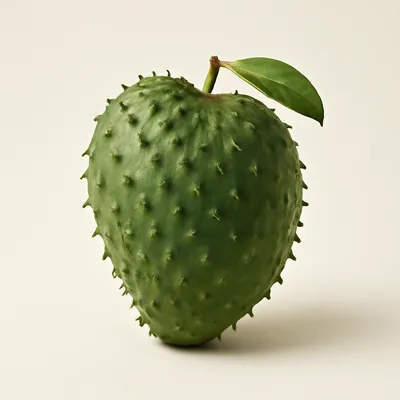
Sinh to (the same Vietnamese word means 「vitamin」; its Sino-Vietnamese morphemes literally mean 「life/fresh element」, i.e. a nourishing fresh-fruit drink) is a Saigon-and-Mekong-Delta street culture, peaking in the 1970s-80s as Western blender technology became cheap and the Mekong Delta's tropical-fruit abundance — durian, jackfruit, mangosteen, sapodilla, mãng cầu (soursop) — found a year-round outlet. Sidewalk sinh to stands keep ten or twelve plastic tubs of fresh-cut fruit on display; you pick. Northern Vietnam has the drink too but treats it as imported southern food. Avocado (bo) is the most distinctive Vietnamese sinh to flavour — French colonists planted avocado trees in the Central Highlands.
Saigon street drink that peaked in the 1970s–80s when cheap Western blenders met the delta's tropical-fruit abundance. Avocado (bo) is the giveaway — French colonists planted avocado trees in the Central Highlands; Vietnamese eat it sweet. Avocado's 15% fat content is what emulsifies ice into soft-serve density.
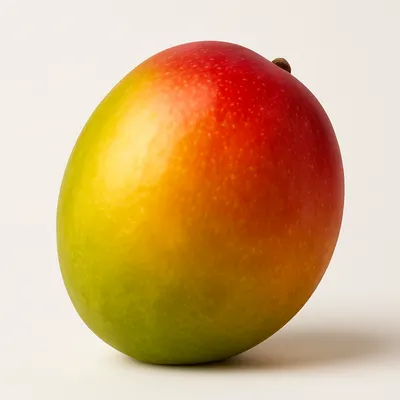
Thick enough that the straw stands up, pastel-coloured by the fruit — pale green for avocado, sunset-orange for mango, custard-yellow for durian. Cold and dense; the condensed milk takes the fruit's natural acidity down and brings out the round dairy-fruit middle. Avocado sinh to in particular is the surprise — Vietnamese treat avocado as a sweet-fruit ingredient, like the Brazilians do, and once you taste it cold and sweet you can't quite go back to guacamole. The texture is closer to soft-serve than a Western smoothie.
Condensed milk does two jobs at once: it sweetens and it adds fat, and the fat is what makes sinh to creamy where a juice would just be cold and watery. Avocado works as a smoothie base for the same reason — its 15% fat content emulsifies the ice into a soft-serve texture instead of a slush. With low-fat fruit (mango, soursop) the recipe leans on more condensed milk and a splash of coconut cream to compensate; with high-fat fruit (avocado, durian) you can use less. Saigon stalls don't measure — they read the fruit and adjust.
Variations
Sinh to bo (avocado, the signature); sinh to mang cau (soursop); sinh to sau rieng (durian, intense); sinh to xoai (mango); sinh to dau (strawberry); Saigon stalls like the ones on Pasteur Street keep ten or twelve plastic tubs out and let you point.
On the Palate
Where Sinh To sits in the Vietnamese flavor cloud
Ingredients
Serves 1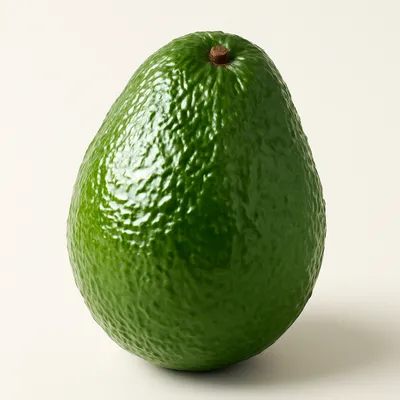




How it's made
5 steps · 6 min
- 12 min
Choose ripe fruit — for sinh to bo (avocado), use a fully soft Hass-style; for sinh to mit (jackfruit), use 150g flesh; for durian, 100g of unfrozen pulp. Remove pits and skin.
- 21 min
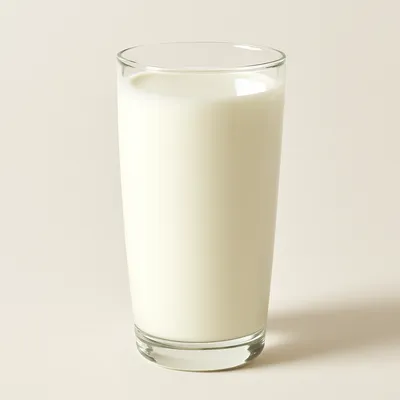
Into a blender add 200g fruit flesh, 30-40ml sweetened condensed milk, 50ml whole milk or coconut milk, and 150g ice cubes.
Watch outAdd the ice with the fruit, not after — blending it in from the start is what whips it to soft-serve instead of leaving a slush at the bottom.
- 31 min
Blend on high 30-45 seconds until smooth and pale — there should be no fruit chunks visible, and the colour should be uniform pastel.
Watch outStop when the colour goes uniform pastel with no chunks — over-blending past that point warms the mix and it turns runny.
- 41 min
Taste. If the fruit is under-ripe, add another 10ml condensed milk; if over-thick, splash in milk. For avocado sinh to, drizzle a thread of condensed milk down the inside of the glass before pouring for the layered look.
Watch outTaste before you pour — under-ripe fruit needs more condensed milk, but a too-thick blend just needs a splash of milk, not more sugar.
- 51 min
Pour into a tall glass. Top with a short spoonful of crushed ice if the smoothie thinned out. Serve with a thick straw — sinh to is meant to be slurped, not sipped.


