


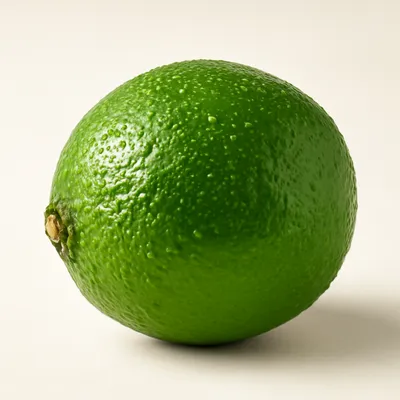


Sugarcane has been cultivated in the Mekong Delta for centuries — Vietnam is one of mainland Southeast Asia's significant cane producers. Roller-mill juice stands proliferated in Saigon in the 1960s-70s when small motorised mills became cheap and the city's heat made cold sweet drinks a constant demand. The kumquat — quat — is the south's defining citrus and is what distinguishes Vietnamese nuoc mia from Cambodian or Thai cane juice, which use lime alone. A glass costs roughly 10,000 VND (about 40 US cents).
Cane juice off motorized roller mills, ubiquitous in Saigon since the 1960s–70s — a glass costs about 10,000 VND (40 US cents). The kumquat (quat) is the Vietnamese signature versus Cambodian or Thai cane juice that uses lime alone. Polyphenol oxidase browns the juice within 15 minutes; kumquat acid slows the enzyme and the peel oil masks any off-note.
Pale green-grey, slightly cloudy from cane fibre. The first taste is grassy-sweet, almost vegetal, like fresh-cut hay turned into syrup. The kumquat punches through with citrus-peel bitterness and a dose of acid that cuts the sweetness in half. Cold but never as cold as it feels because of the sugar load. Nuoc mia bottled or pasteurised loses everything — it must be pressed and drunk within 15 minutes, which is why every stand presses to order.
Sugarcane juice oxidises within 15-20 minutes — polyphenol oxidase in the cane reacts with air and turns the juice from grey-green to brown, with a corresponding shift from grassy-sweet to bitter-medicinal. The kumquat does double duty: its citric acid lowers pH and slows the enzyme, and its peel oil masks any incipient off-flavour. Pressing the kumquat through the roller (not just squeezing it on top) is the Saigon trick — peel oil emulsifies into the juice rather than floating on it.
Variations
Nuoc mia chanh muoi (with salted preserved lime); nuoc mia tac (the standard kumquat version); nuoc mia dua (with pineapple, sweeter); Saigon stand on Le Loi presses to order in 15 seconds; bottled or pasteurized versions lose the grass-sweet note within an hour.
On the Palate
Where Nuoc Mia sits in the Vietnamese flavor cloud
Ingredients
Serves 1How it's made
4 steps · 5 min
- 12 min
Select 2-3 fresh sugarcane stalks (about 60-80cm each) — they should be heavy, hard, and smell faintly grassy when scratched. Strip the rough outer skin with a cleaver.
- 21 min
Cut the stalks into 25cm lengths to fit the roller-mill. Slice 2 unpeeled kumquats in half (or 1 small lime).
- 32 min
Feed a stalk into the roller-mill with the kumquat halves wedged alongside — peel oils press into the juice. Catch the green-grey juice in a strainer-lined pitcher. Run the flattened pulp back through twice more for full extraction.
Watch outFeed the kumquat halves through the roller alongside the cane, don't just squeeze them on top — running them through works the fragrant peel oil into the juice instead of leaving it floating.
- 41 min
Strain the foam off and pour over a tall glass packed with ice. Do not add sugar — sugarcane juice is already 15-18% sugar. Drink within 15 minutes — once oxidised it turns brown and bitter.
Watch outDrink it within about fifteen minutes — the fresh grey-green juice browns and turns bitter fast as it meets air, so serve it over ice straight from the press.
Archive tool suggestions — not reviewed
These legacy suggestions have not been evidence-reviewed and are not presented as required tools.


