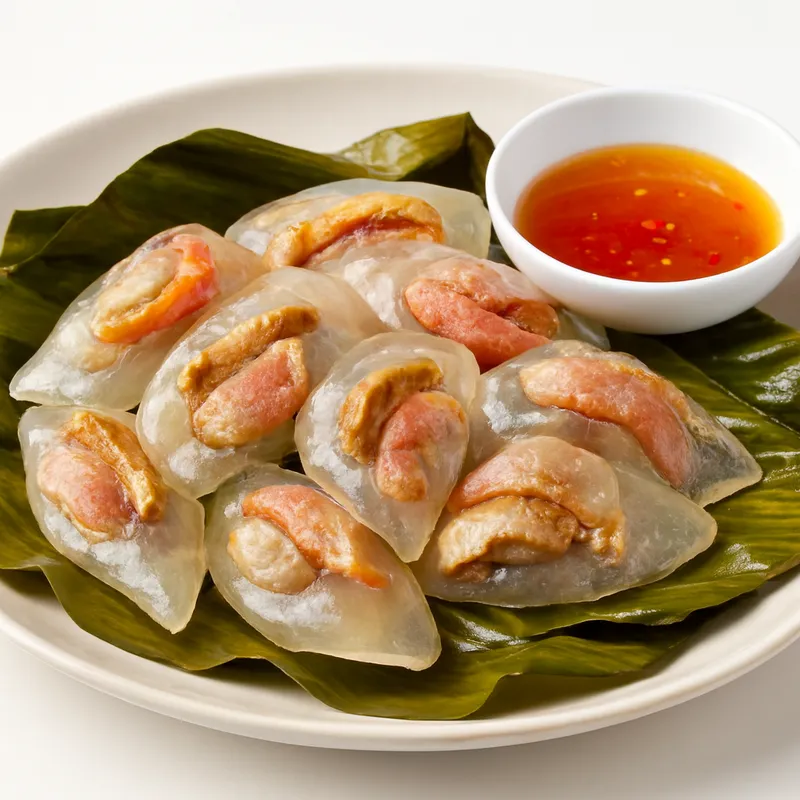
Bone-in chicken thigh braised in caramel, fish sauce, and a heavy hand of ginger — northern Vietnam's winter rice-table dish, sharp and warming.



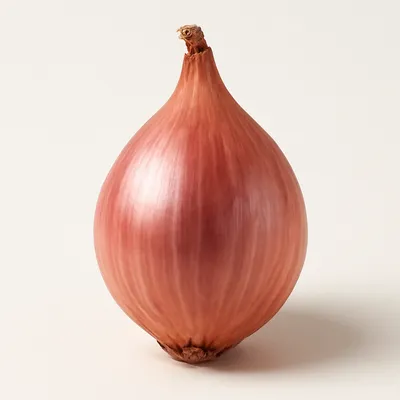

Ga kho gung is a northern Vietnamese family-table staple, especially in Hanoi and the Red River Delta provinces. It is mostly a winter dish — ginger is the warming aromatic and northern winters are damp-cold (5-15°C). The technique mirrors Chinese ginger-braise dishes and likely entered Vietnamese cooking through centuries of culinary exchange across the northern border, but the fish-sauce base and caramel step are distinctly Vietnamese.
Hanoi-and-Red-River-Delta winter braise. Two ginger cuts, not decorative: thick coins infuse low-volatile gingerols slowly across the simmer; julienne added late carries the sharp top notes that would otherwise cook off.
Pieces of chicken with the skin lacquered the colour of teak, ginger coins half-caramelised on the edges, sauce reduced almost to a paste. The first taste is sharp ginger heat, then the salty-sweet fish-sauce caramel underneath, then chicken — the meat itself stays moist because of the bone. Ginger coins are eaten too: by the end of the braise they have given up their bite and turned mellow. Plain rice mandatory; a clear soup of mustard greens often sits beside it.
Two ginger cuts is not decorative. Ginger coins, sliced thicker, hold their shape through the braise and slowly infuse the liquid with low-volatile compounds (gingerol). The julienned ginger, added later, brings the high-volatile sharper notes that would otherwise cook off. Together they give a layered ginger profile — early hit, long finish — that single-cut ginger braises lack.
Variations
Northern Hanoi version is heavier on ginger and lighter on sugar; Hue cooks add a touch of sa tac (chili) for warmth; Saigon adaptations swap in coconut water and dial up sweetness, drifting toward thit kho territory.
On the Palate
Where Ga Kho Gung sits in the Vietnamese flavor cloud
Ingredients
Serves 4
How it's made
7 steps · 30 min active + 30 min waiting
- 125 min
Cut 800g bone-in chicken thigh (skin on) into 3-4cm pieces through the bone. Marinate with 2 tbsp fish sauce, 1 tsp sugar, 1 tsp black pepper, 3 minced shallots, 1 tbsp grated ginger for 20 minutes.
- 25 min
Peel and slice 60g fresh ginger into thin coins, then julienne half of them — northern Vietnamese kho gung uses both shapes for layered ginger flavour.
- 34 min
In a heavy clay pot or saucepan, melt 3 tbsp sugar dry over medium until deep amber, about 3 minutes. Off heat, add 50ml water carefully, swirl.
Watch outMelt the sugar dry until it hits deep amber — about 3 minutes; a shade past and it turns bitter, so kill the heat and add the water the moment the color is right.
- 45 min
Add chicken (skin-side down first), the ginger coins, and the marinade liquid. Sear 5 minutes — skin should brown and pick up caramel colour.
Watch outSear the chicken skin-side down until it browns and picks up the caramel color — this is where the glaze gets its depth.
- 53 min
Add 1 more tbsp fish sauce, 200ml water, and the julienned ginger. Bring to a simmer.
- 625 min
Cover and reduce heat to low. Simmer 25 minutes — chicken cooks through, the liquid reduces and thickens to a glaze.
Watch outCheck occasionally to prevent sticking or burning at the bottom.
- 75 min
Uncover, raise heat, finish reducing 5 minutes until the sauce clings to the chicken and the ginger pieces caramelise on the outside. Crack fresh black pepper, scatter chopped scallion. Serve with rice.
Watch outReduce at the end until the sauce clings to the chicken and the ginger caramelizes on the outside — the liquid should coat, not pool.
Archive tool suggestions — not reviewed
These legacy suggestions have not been evidence-reviewed and are not presented as required tools.
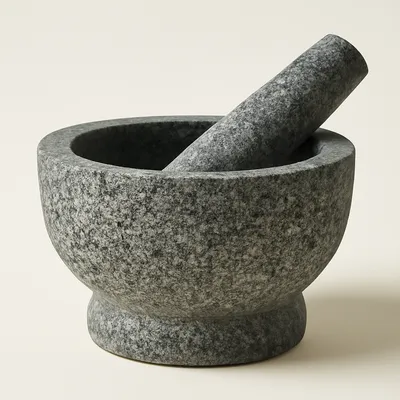
The simplest tool in any kitchen: a heavy bowl and a club to bash things in it. Different cuisines use different stones — Thai cooks pound green papaya in a tall granite mortar (krok hin); pesto Genovese requires the soft-pored Carrara marble; Indian masalas grind down on rough basalt. The bash-don't-cut motion releases volatile oils that a blade keeps sealed in the cell wall.

A round-bellied unglazed clay pot, 1.5-3 liters, with a domed lid and side handles, used for slow-cooking Chinese soups, claypot rice (煲仔饭), and stews. The clay's high porosity diffuses heat slowly so soups never come to a violent boil — flavor develops over 2-3 hours of low simmer. Cantonese claypot rice gets its prized crispy bottom (锅巴) from the same direct-flame stovetop heat that would crack a less robust pot.