
Concentrated salty-sweet caramel paste of fish sauce, sugar, dried shrimp, and pork cracklings, simmered to a sticky reduction in a small clay pot, used as a dip for boiled greens.



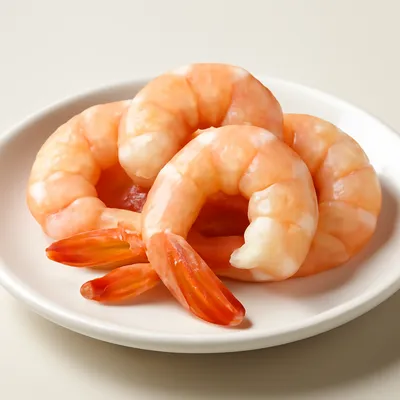
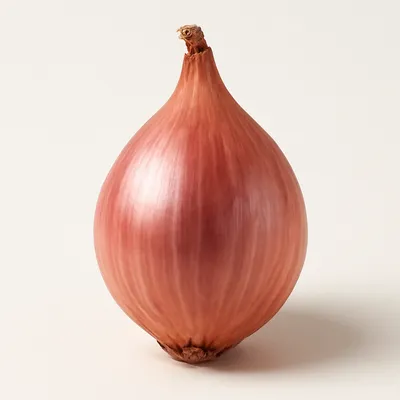

Kho quet is rural Mekong household cooking — a poverty-era invention from a time when fish, meat, and vegetables were scarce or unaffordable, but fish sauce, sugar, and a scrap of pork fat were always around. A small pot of kho quet plus a bowl of boiled garden greens fed a family on rice. The name means quẹt — to wipe or to drag a stem through. It survived the prosperity transition because Mekong cooks kept making it: the salt-sugar-fat ratio is hard to beat, and modern restaurants now serve it as a nostalgic side.
Mekong rural poverty-era invention — name means 「to drag/wipe」 because you tap a boiled stem against the surface to pick up a bead of paste. Water activity ~0.7, keeps a week unrefrigerated. Reduce too far and the sugar crystallizes brittle.
A glossy black-brown paste with crisp pork bits suspended in it, salt forward, sugar deep, the dried-shrimp-and-fatback funk underneath. You don't eat it by the spoon — you tap a boiled water-spinach stem against the surface so a bead of paste clings, then bite. Two or three drops carry an entire mouthful of plain rice. Genuinely too intense to eat alone; the boiled greens and rice are not garnish, they are the dish.
Kho quet is essentially a mother sauce concentrated past the point of being a sauce — water activity is so low (~0.7) that it keeps a week unrefrigerated. The reduction cycle has two phases: first the caramel locks in dark Maillard tones, then the fish sauce reduces alongside, the volatile aromatics burning off and leaving the umami-amino concentration behind. Stop reducing too early and it tastes raw-fishy; reduce too far and the sugar crystallises and turns brittle.
Variations
Ben Tre versions add coconut sugar (the province produces most of Vietnam's coconut sugar); Saigon nostalgia restaurants like Cuc Gach Quan plate it with steamed water spinach and bottle gourd; Tien Giang families fold in dried shrimp powder for extra umami.
On the Palate
Where Kho Quet sits in the Vietnamese flavor cloud
Ingredients
Serves 4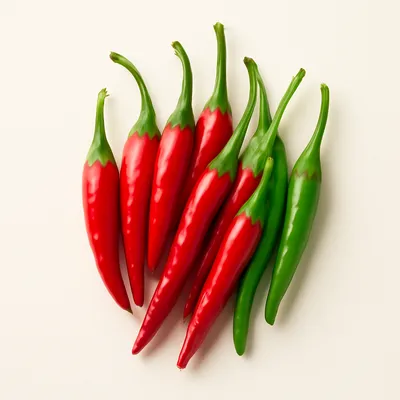


How it's made
6 steps · 25 min active + 5 min waiting
- 18 min
Cut 100g pork fatback (or pork belly skin trimmings) into 5mm dice. Render in a small clay pot or heavy pan over medium-low heat, 8 minutes — the fat melts out, dice shrink and turn golden-crisp (tep mo, cracklings). Lift cracklings onto a plate; leave the fat in the pot.
Watch outRender the fat dice slow until they shrink to golden, crisp cracklings — rush the heat and they brown outside while still soft in, and you lose the clean rendered fat the caramel needs.
- 210 min
Soak 2 tbsp dried shrimp (tom kho) in warm water 10 minutes, drain, chop coarsely.
- 33 min
In the rendered pork fat, add 4 tbsp palm sugar (or brown sugar). Stir over medium until it melts and turns chestnut-brown — about 3 minutes. Watch closely; this is the kho quet caramel base.
Watch outWatch the sugar like a hawk as it melts to chestnut-brown — the window is seconds wide; a shade past and it goes bitter, so pull it the moment the colour deepens.
- 42 min
Off heat, carefully pour in 4 tbsp fish sauce (it will hiss and spit). Return to medium-low, add the dried shrimp, 2 minced shallots, 1 minced chilli, 1 tsp ground black pepper. Stir.
Watch outBe cautious of splattering when adding fish sauce to the hot fat.
- 58 min
Reduce 6-8 minutes, stirring often, until the mixture is thick enough to coat a spoon back and pull behind it briefly when you scrape — like a loose jam. Stir in the cracklings, 1 chopped scallion. Off heat.
Watch outReduce until it coats the spoon back and a scrape leaves a trail that closes slowly — like loose jam. Stop there; go further and the sugar crystallises and turns brittle, stop short and it tastes raw-fishy.
- 61 min
Serve in the clay pot, still warm, beside a platter of boiled greens — water spinach, bottle gourd, okra, or chayote — with a bowl of rice.
Archive tool suggestions — not reviewed
These legacy suggestions have not been evidence-reviewed and are not presented as required tools.


