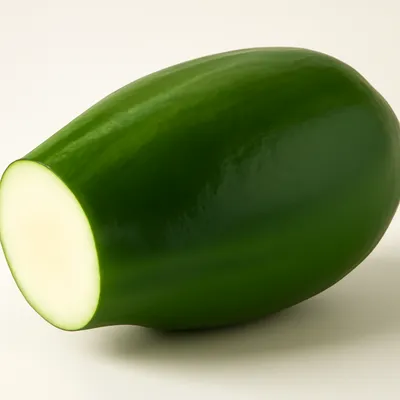
Goi kho bo is the Saigon street-cart green papaya salad built on kho bo — dark, chewy dried beef — rather than the shrimp and pork of the home-table version. Shredded green papaya is salted to crisp, then tossed with the jerky, roasted peanuts, fried shallot, and a fistful of rau ram (Vietnamese coriander), and drenched in a near-black sweet-sour dressing of fish sauce, vinegar, soy and sugar. It is finished with crushed prawn crackers or banh phong and eaten straight from the plate with scissors and chopsticks, sold for decades from glass-cased carts parked around Saigon's downtown parks. The classic cart version leans on thin-sliced dried beef lung and liver (kho bo phoi, kho bo gan) as much as muscle, which gives it a spongier chew than packaged jerky.




Goi kho bo is a longstanding Saigon street snack with no documented single inventor or founding year; it grew out of the city's mobile food-cart culture, where vendors wheeled glass-cased carts to busy corners and sold cheap, assemble-to-order plates to students and office workers. It is closely tied to the bo bia khro cart trade — the same itinerant sellers who hawked dried-beef snacks and rolled bo bia — and to the downtown parks, with carts clustering for generations around Le Van Tam, Tao Dan and the Notre-Dame cathedral area. One of the best-known is the unsigned glass cart across from Le Van Tam Park on Hai Ba Trung Street, which locals trace to around 1980 (first at Hoa Lu Stadium); it is a famous instance of the form, not its origin. The salad is a cousin of the home-style goi du du, but its identity is fixed by the dried beef, the dark vinegar-heavy dressing, and the park-cart setting rather than by poached shrimp and pork belly.
Cold, crunchy papaya threads slicked dark with dressing — the plate looks wetter and browner than a pale home-style goi du du. The dried beef is the centre: chewy, faintly smoky-sweet, with the lung-and-liver version giving a softer, more porous bite that soaks up sauce. Rau ram cuts through with a sharp, peppery cilantro note, peanuts and fried shallot add crunch on top, and the prawn crackers shatter into the mix. The dressing is the loud part — sweet, sour and salty all at once, with a vinegar tang and dark-soy depth you don't get in the shrimp-and-pork version. Eat it fast, before the salt and dressing pull water from the papaya and slacken the crunch.
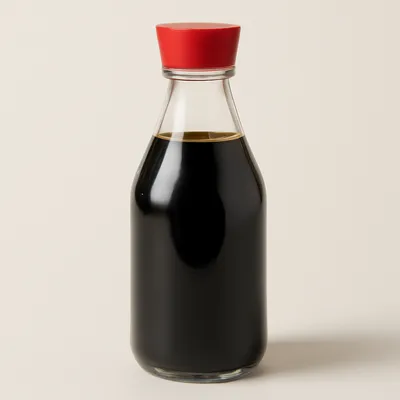
Two things carry the dish. First, the papaya: green papaya is full of latex sap and water, and its papain enzyme plus the cell water will turn raw shred to mush under an acidic dressing within minutes. A short salt cure draws out 20-30% of the water by osmosis and firms the cell walls, so the threads stay crisp once the vinegar-fish-sauce dressing hits. Second, the dressing is built dark and tart on purpose: vinegar and a caramel-leaning sugar-and-dark-soy base give a near-black, syrupy sauce far heavier than the diluted nuoc cham of the home version, balanced so the sweetness cushions the vinegar's edge. The dried beef is the savory anchor — its concentrated, salt-cured umami and chew stand up to the aggressive dressing where fresh shrimp would be drowned.
Variations
The downtown cart version runs dried beef alongside thin-sliced dried beef lung and liver (kho bo phoi, kho bo gan), which devotees consider the real thing; tidier modern and overseas versions use only packaged jerky strips. The northern Hanoi style of nom bo kho similarly favours slivers of smoked beef liver and often pairs the papaya with shredded green mango. Carts differ most in their dressing, which is treated as a closely guarded secret — the famous Le Van Tam cart has never disclosed its recipe. The home-style goi du du, by contrast, swaps the dried beef for poached shrimp and sliced pork belly under a lighter, water-diluted nuoc cham.
On the Palate
Where Goi Kho Bo sits in the Vietnamese flavor cloud
Ingredients
Serves 2
How it's made
7 steps · 20 min active + 10 min waiting
- 112 min
Peel green papaya, shred into fine threads, toss with a generous pinch of salt and let cure 10 minutes, then squeeze out the released water and pat dry.
Watch outSalt-cure the shredded papaya, then squeeze it dry — this firms the threads so they stay crisp under the acidic dressing instead of turning to mush.
- 28 min
Make the dressing: simmer fish sauce, rice vinegar, dark soy sauce and sugar with a little water until slightly syrupy and dark, then cool; add minced garlic and chili.
Watch outSimmer the dressing until it's dark and slightly syrupy, then cool it — this is a heavier, near-black sauce, so let the sugar cushion the vinegar's bite.
- 34 min
Slice the dried beef (and dried beef lung/liver, if using) into thin bite-size strips.
- 43 min
Roughly chop roasted peanuts and pick rau ram leaves from their stems.
- 52 min
Toss the squeezed papaya with most of the dressing and the rau ram until evenly coated.
- 61 min
Plate the papaya, pile the dried beef on top, and spoon over the remaining dressing.
- 71 min
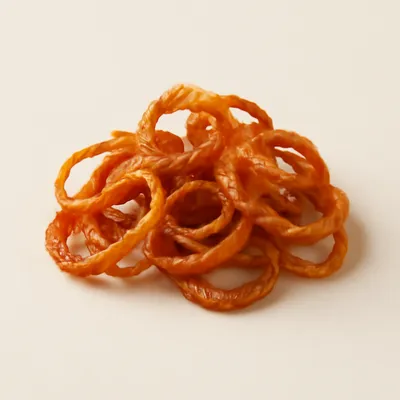
Finish with roasted peanuts, fried shallot and crushed prawn crackers; serve immediately.


