The southern Vietnamese deep-fried spring roll: rice-paper (bánh tráng) wrappers rolled tight around ground pork, crab, glass noodles, wood ear, and shredded vegetables, then fried until the skin blisters into a lacy, shattering shell. Southern fillings lean richer than the north's, often folding in taro (khoai môn) and crab (cua) for body. Each roll is cut, wrapped in lettuce and herbs at the table, and dipped in nước chấm. It is the fried sibling of the fresh gỏi cuốn — and, despite sharing a recipe with Hanoi's nem rán, southerners call it chả giò and reach more readily for rice paper.
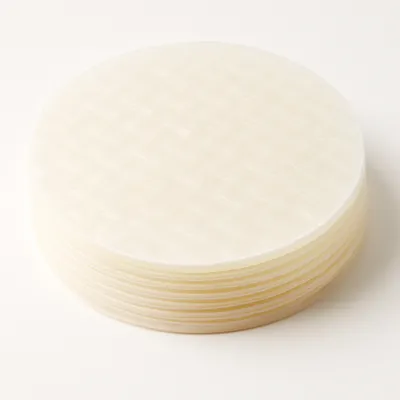
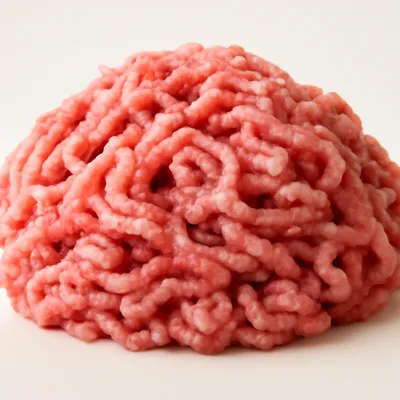

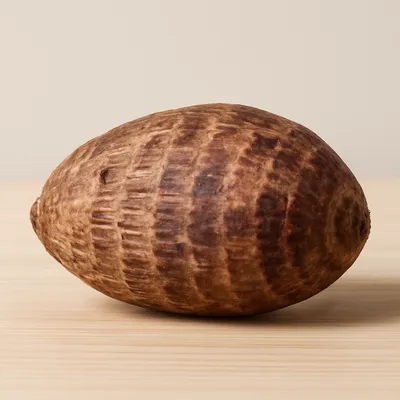


Chả giò is the southern name and southern style of Vietnam's fried roll; in the north the same idea is called nem rán (or simply nem). The fried roll is the older, festive cousin of the no-cook gỏi cuốn, and as bánh tráng rice-paper culture spread through the Mekong Delta and Saigon, the southern version settled on a thin rice-paper wrapper that fries into a blistered shell — distinct from northern rolls. Southern cooks pushed the filling richer and sweeter than the spare northern mix, working in starchy taro or jicama and, in coastal and Saigon kitchens, crab. The dish travelled with the Vietnamese diaspora after 1975 and is what most overseas diners mean by 'Vietnamese egg roll.' No reliable single date or inventor is documented for the first fried roll.
The shell is the whole point: rice paper fries into a pale, bubbled, lacy crust that shatters audibly and leaves shards, where a northern wheat roll fries smoother and harder. Inside stays juicy — pork and crab bound with glass noodles and wood ear, the taro lending a soft, faintly sweet starchiness. You don't eat it bare: tear off a piece, bundle it in a lettuce leaf with mint and perilla, dunk in nước chấm, and the cool herbs and sharp dip cut the fry. Hot, greasy-crisp, and bright all at once.
Two things make or break it. First, the rice paper: dipped or brushed just damp so it turns pliable to roll, then the rolls are chilled uncovered so surface water evaporates — a dry skin blisters and crisps, a wet one steams and turns leathery or bursts. Second, the double fry: a gentle first fry (around 150–160°C) cooks the filling through and sets the shape without the wrapper scorching or splitting; a brief, hotter second fry (around 180–190°C) drives off remaining moisture and locks in the lacy, glassy crunch. The wrapper's thin rice-starch film is what bubbles in hot oil — the northern wheat wrapper can't make the same blistered lace.
Variations
Chả giò thịt (pork, the everyday standard); chả giò cua (crab, the prized seaside and Saigon version); chả giò tôm (shrimp); chả giò chay (vegetarian, with taro, mushroom, and jicama). A lacy netted wrapper, bánh tráng rế, fries up especially crisp and is used for upmarket rolls; some southern cooks instead use a thin wheat (bò bía) wrapper. In the north the same fried roll is nem rán.
On the Palate
Where Cha Gio sits in the Vietnamese flavor cloud
Ingredients
Serves 4


How it's made
7 steps · 50 min
- 115 min
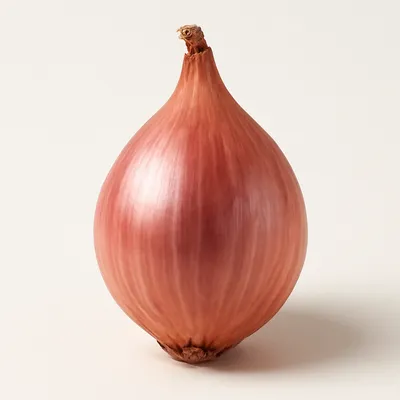
Soak glass noodles and wood ear in warm water until soft, then drain and chop. Shred or grate the taro and carrot; finely mince shallot.
- 210 min
Mix ground pork, crab meat, glass noodles, wood ear, taro, carrot, shallot, and egg with fish sauce, sugar, salt, and black pepper until evenly combined.
- 320 min
Dip or brush a sheet of rice paper just until pliable. Place a line of filling near one edge, fold in the sides, and roll up snug but not crushed. Repeat for the rest.
- 430 min
Set the finished rolls apart on a tray and chill, uncovered, about 30 minutes so the surface dries.
Watch outChill the rolls uncovered so the surface dries before frying — a dry skin blisters and crisps, but a wet one steams and turns leathery or bursts in the oil.
- 510 min
First fry: lower the rolls into oil at about 150–160°C and fry gently until the filling is cooked through and the shells are set and pale-gold. Drain.
Watch outFirst fry gentle, around a hundred-fifty to a hundred-sixty degrees — this cooks the filling through and sets the shape without scorching the wrapper; rush the heat and the outside browns before the inside cooks.
- 65 min
Second fry: raise the oil to about 180–190°C and fry the rolls briefly until blistered, deep golden, and shatter-crisp. Drain on a rack.
Watch outSecond fry hotter and brief, near a hundred-eighty to a hundred-ninety — that blast drives off the last moisture and locks in the glassy, shatter-crisp crunch.
- 75 min
Cut each roll and serve with lettuce, mint and perilla for wrapping, and a bowl of nước chấm for dipping.


