Hải Phòng's distinctive fried crab spring roll, folded not into the usual cigar but into a flat square parcel the size of a coaster. The filling pivots on fresh sea-crab meat bound with minced pork, glass noodles, wood-ear, and egg, sealed in rice paper and deep-fried until the surface blisters into a lacquered, bubbled crust. It is cut into squares at the table and eaten with herbs and a bright dipping sauce.

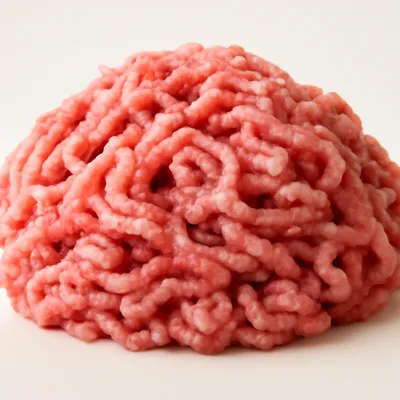
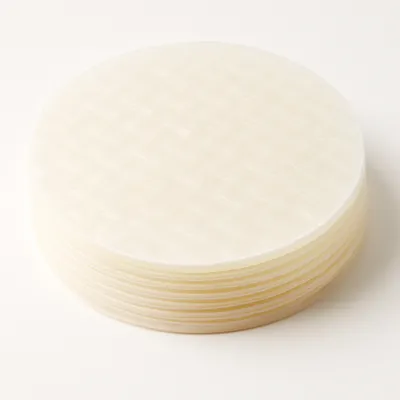


Nem cua bể is firmly a Hải Phòng creation, the port city's answer to the fried spring rolls (nem rán in the north, chả giò in the south) eaten across Vietnam. Living on the coast, Hải Phòng cooks reached for the sweet meat of the local sea crabs rather than the pork-and-vegetable standard, and folded the roll flat and square — a shape that holds more filling and crisps more evenly than a cylinder. A documented founding date is hard to pin down, but the dish is treated as a city specialty and a holiday centerpiece, appearing on tables at Lunar New Year (Tết) and at weddings where its golden squares signal an occasion worth marking.
You break the square along its cut lines and the crust shatters with an audible crack, shedding flakes. Inside the filling stays moist and just bound, the crab sweet and unmistakably marine against the savory pork, the glass noodles and wood-ear giving a soft chew and a faint crunch. Wrap a hot piece in lettuce and herbs, dunk it in the sweet-sour-garlicky sauce, and the cool leaf and sharp dip cut the richness of the fry.
Two things make or break it. First, moisture: crab meat and any vegetables must be well-drained, because trapped water steams the wrapper soft and bursts the parcel in the oil. Second, the wrapper and the fry. Vietnamese rice paper is brushed lightly with water or beer to soften just enough to fold without tearing, and the square is fried at a moderate temperature so the inside cooks through before the surface scorches. A second, hotter pass at the end drives off oil and forces the signature blistered crust — the rice-paper surface bubbling up into crisp, glassy domes that stay shattering rather than tough.
Variations
Coastal versions lean almost entirely on sea crab; inland or home cooks stretch the crab with minced pork and prawn. Some wrap each square in a double layer of rice paper for an extra-sturdy crust, and a few modern cooks tuck a raw quail egg or extra crab roe into the center. The same flat-square fold is sometimes used for a shrimp-forward filling, but the crab version is the one that carries the Hải Phòng name.
On the Palate
Where Nem Cua Be sits in the Vietnamese flavor cloud
Ingredients
Serves 4

How it's made
8 steps · 35 min active + 10 min waiting
- 112 min
Pick over fresh sea-crab meat and squeeze out excess moisture; soak glass noodles and wood-ear, then drain and chop.
Watch outSqueeze the crab and vegetables bone-dry — any trapped water steams the wrapper soft and bursts the parcel in the oil.
- 28 min
Mix crab meat with minced pork, chopped glass noodles, wood-ear, grated carrot, beaten egg, and seasoning into a just-bound filling.
- 32 min
Brush a sheet of rice paper lightly with water or beer until pliable.
- 410 min
Spoon filling onto the lower third, fold in the sides, and roll into a flat square parcel; repeat.
- 58 min
Fry the squares in moderate oil until cooked through and pale gold, turning once.
- 63 min
Lift out, raise the oil temperature, and fry again briefly until the surface blisters and deepens to amber.
Watch outGive it a second, hotter fry until the surface blisters into glassy amber domes — that's the signature shattering crust.
- 72 min
Drain on a rack and cut each square into bite-size pieces.
- 81 min
Serve hot with lettuce, herbs, and a sweet-and-sour dipping sauce.


