Hanoi-rooted pork ham of finely-pounded lean pork with fish sauce, wrapped in banana leaf and boiled; sliced for banh mi or banh cuon.



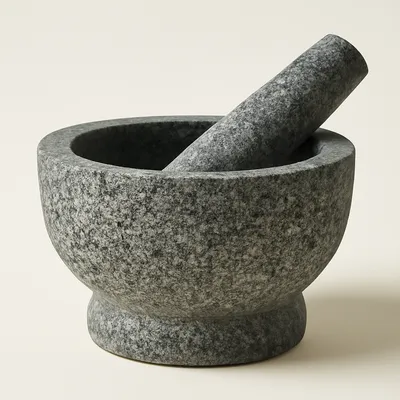
Cha lua is the Hanoi-rooted Northern Vietnamese take on the broader gio/cha family — pounded-pork rolls that pre-date industrial mincing. Traditional preparation used a wooden mortar and pestle worked for an hour to bring the meat to a smooth paste; the Hanoi-area village of Uoc Le is the craft's most famous home. Modern food-processor versions are a 1980s home-cook adaptation. The dish travelled with Northern migrants south after 1954 and is now the standard Vietnamese-deli protein from Hanoi to Ho Chi Minh City to overseas Vietnamese banh-mi shops.
An hour of pounding cold pork in a wooden mortar is what gives that springy bite — myosin emulsifying below 12°C. Above that the fat smears and the gel dies.
A pale-pink cylinder, springy enough to bend without snapping, with a faintly perforated surface where steam escaped through the leaf. Bite is bouncy in the way a good fish-paste is bouncy — clean, slightly chewy, never mealy. Flavour is restrained: pork sweetness, fish-sauce salinity, a whisper of white pepper. It's a workhorse ingredient more than a destination dish — its job is to make a banh mi, a bun, or a banh cuon platter feel complete.
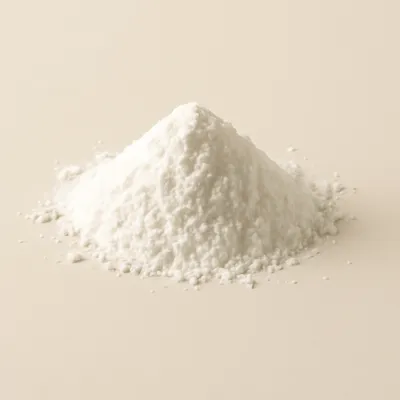
The hard part is meat-protein emulsification: cold pork + salt creates a myosin gel that traps fat and water and gives the springy bite. Two failure points: temperature (above 12°C and the fat smears, killing the gel) and pounding time (under-worked = crumbly slice; over-worked = rubbery). Baking powder is a modern shortcut that adds extra spring without the hour of pounding. The banana leaf is not just decoration — its slight tannin and the smoke-aromatic compounds it releases under steam are part of the flavour.
Variations
Gio lua is the plain pork roll; gio bo uses beef with black pepper; gio thu is the head-cheese terrine pressed with wood-ear; cha que adds cinnamon and is grilled, not steamed.
On the Palate
Where Cha Lua sits in the Vietnamese flavor cloud
Ingredients
Serves 8How it's made
5 steps · 40 min active + 50 min waiting
- 135 min
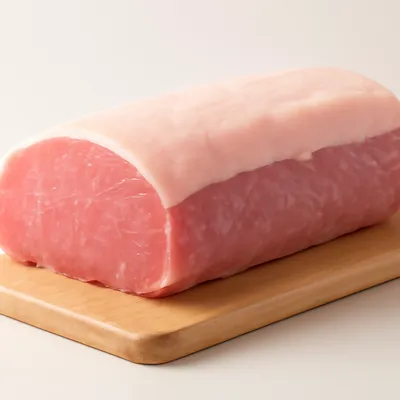
Trim 1kg pork loin or shoulder, removing all sinew and visible fat. Cut into 2cm cubes. Freeze 30 minutes until firm but not solid — this keeps the meat cold during processing so it emulsifies rather than smears.
Watch outFreeze the pork just to firm, not rock-solid — it must stay cold through processing or the fat smears instead of emulsifying and you lose the springy bite.
- 26 min
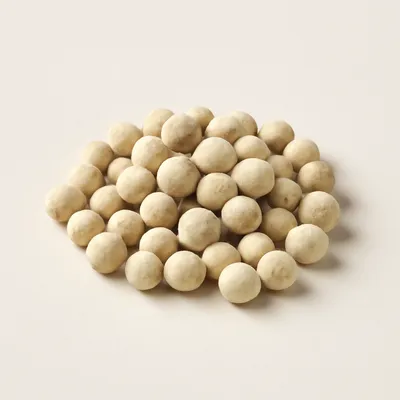
In a food processor, pulse the cold pork with 3 tbsp fish sauce, 1.5 tsp salt, 2 tbsp sugar, 1 tsp white pepper, 1 tsp baking powder, and 60g ice water until completely smooth and pale-pink — about 4 minutes total, in 10-second pulses, scraping down. Texture should look like whipped strawberry mousse.
Watch outPulse until the paste is completely smooth and pale pink, like whipped strawberry mousse — that glossy sheen means the myosin has set and it'll slice springy.
- 38 min
Lay 2 large softened banana leaves crosswise. Pile the pork paste in the centre and shape into a tight 8cm-diameter cylinder. Roll the leaves snugly around it, fold ends over, and tie with kitchen twine every 5cm — the wrap must be tight or the cha lua develops air pockets.
- 450 min
Steam over rolling water 50 minutes. Internal temperature should hit 72°C and the cylinder should feel firm and springy when pressed through the leaf, not squishy.
Watch outSteamed through, the cylinder feels firm and bounces back when pressed through the leaf; if it still gives soft it needs longer.
- 51 min
Cool to room temperature in the leaf, then refrigerate at least 4 hours — slicing warm gives crumbly slices. Unwrap, slice 5mm thick, serve with banh mi, sticky rice, or chopped over bun.
Archive tool suggestions — not reviewed
These legacy suggestions have not been evidence-reviewed and are not presented as required tools.