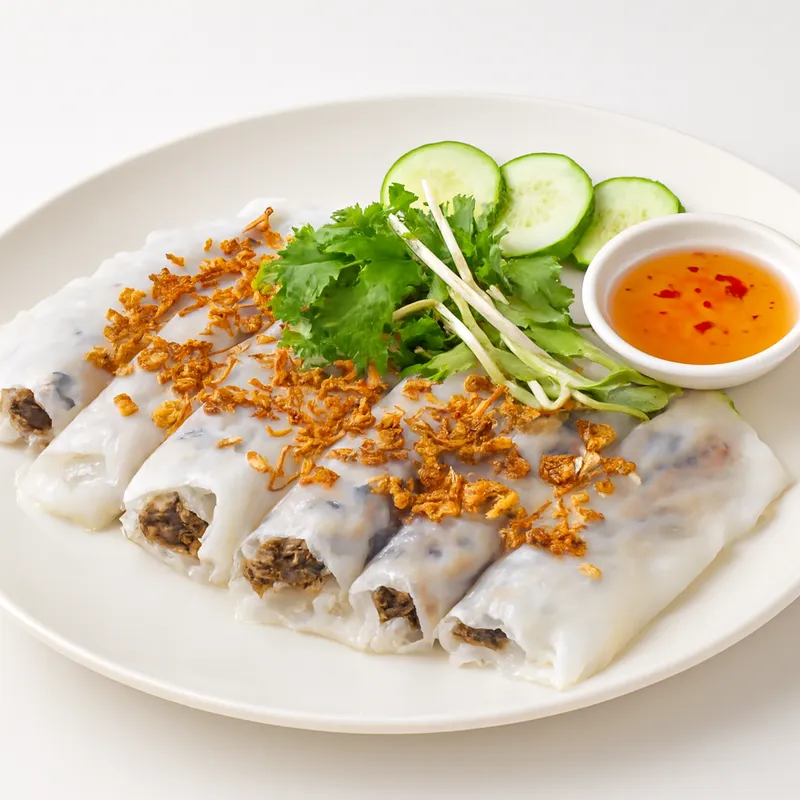
Da Nang fermented raw pork: ground pork mixed with shredded cooked pork skin, roasted rice powder, garlic, chile, salt, and sugar, wrapped in banana leaf and fermented 2-3 days at room temperature until tangy and pink.
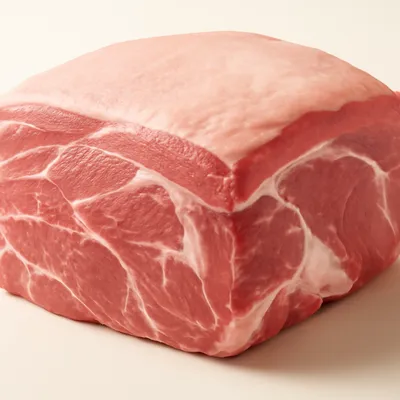


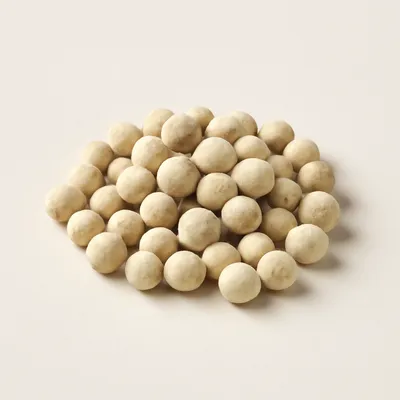

Nem chua is a pan-Vietnamese fermented pork tradition with strong regional variants. The Thanh Hoa (north-central) version is the most famous and uses plain glutinous rice; the Da Nang version distinguishes itself by using red glutinous rice and a higher sugar level. Banana-leaf wrapping is structural — the leaf's natural surface yeast helps inoculate the fermentation, and the airtight package creates the anaerobic environment lactic-acid bacteria need.
Da Nang's red-glutinous-rice take on the pan-Vietnamese fermented pork. The leaf isn't decoration — banana-leaf surface yeast helps inoculate the ferment. Sweeter and milder than the famous Thanh Hoa northern version.
Translucent-pink, springy, tangy raw pork — closer to a Spanish chorizo's lactic edge than to anything cooked. The Da Nang version is sweeter and milder than the famous Thanh Hoa northern style, and the cooked red rice gives a chewy speckle of grain through the bite. A sliver of raw garlic and one tiny chile under the leaf hit on the first chew. Eaten on its own or wrapped in a fresh coral-tree (Erythrina) or guava leaf. A bad batch smells of ammonia or cheese — discard immediately; food safety is real here.
Lactic-acid fermentation: the cooked rice provides starch, which feeds Lactobacillus naturally present on the meat and banana leaf. They produce lactic acid, dropping pH from ~6 to ~4.5 over 48 hours, which preserves the raw pork by inhibiting pathogens and gives the sour bite. Baking powder (a mild base) buffers the early ferment so the surface doesn't sour faster than the centre. Pork must be hyper-fresh and never frozen — frozen meat releases water on thawing and the ferment goes mushy and unsafe.
Variations
Thanh Hoa nem chua (the northern benchmark, plain glutinous rice, sharper); Da Nang nem chua (red rice, sweeter); Hue nem (smaller cubes, more garlic); the Khanh Hoa coastal version (Ninh Hoa) leans especially on pork-skin shreds for a chewier bite, though shredded pork skin is in fact standard across most regional nem chua, not unique to Khanh Hoa.
On the Palate
Where Nem Chua Da Nang sits in the Vietnamese flavor cloud
Ingredients
Serves 8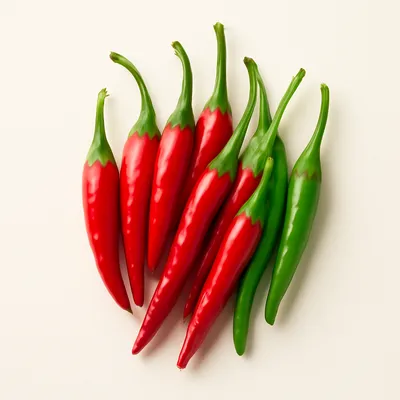

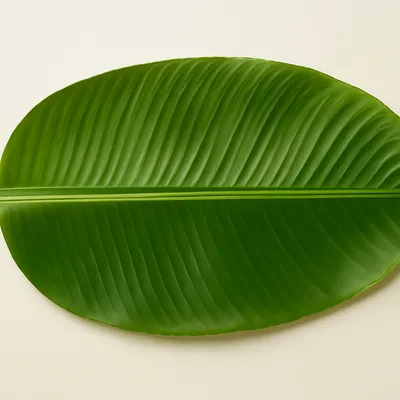

How it's made
5 steps · 1 hour
- 125 min
Cook 80g red glutinous rice (gao do) with 100ml water for 18 minutes until just done. Cool completely on a tray. Use within 4 hours — it must not dry out.
- 212 min
Use the freshest pork possible — same-day from a butcher, never frozen. Trim 600g lean pork shoulder of all sinew. Slice into 5mm strips, then mince finely with a heavy knife or pulse 6 short times in a chilled food processor. Texture should be coarse paste, not purée.
- 310 min
In a chilled bowl, combine pork with cooked red rice, 2 tsp salt, 3 tbsp sugar (sweeter than northern Thanh Hoa style), 1 tsp ground white pepper, 1 tsp baking powder, 6 minced garlic cloves, 3 sliced bird's-eye chiles, 2 tbsp fish sauce. Knead 8 minutes by hand until the paste turns sticky and elastic — this protein extraction is what gives the springy bite.
Watch outKnead a full 8 minutes until the paste turns sticky and stretchy — that pull is the protein binding, and it's what gives the springy bite.
- 48 min
Form 30g portions of paste into small bricks. Each gets a thin slice of garlic and a sliver of bird's-eye chile pressed onto the top.
- 55 min
Wrap each brick tightly in 2 layers of fresh banana leaf (briefly passed over a flame to soften). The wrap must be airtight — squeeze excess air. Tie with bamboo string. Hold at warm room temperature (28-32°C) for 48-72 hours. Unwrap to test: paste should be pink, firm, smell sour-sharp like pickle, not putrid. Refrigerate; eat raw within 7 days.
Watch outWrap airtight and squeeze all the air out — held warm 48–72 hours it should turn pink, firm, and smell sharp-sour like pickle; any off, putrid smell means toss it.