Nem ran is the Northern Vietnamese fried spring roll: minced pork, crab or shrimp, glass noodles, wood-ear mushroom, grated kohlrabi and carrot bound with egg, rolled tight in thin rice paper (banh da nem) and fried until the wrapper shatters. In Hanoi it is the classic partner to bun cha and a fixture of Tet and family feasts. Each roll is cut on the diagonal and eaten wrapped in lettuce and herbs, dunked in nuoc cham. It is the same dish Southerners call cha gio, but built on a Northern template.
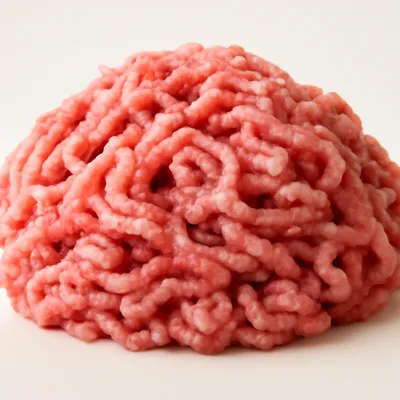

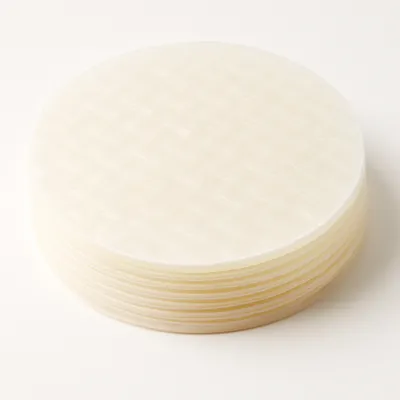


Fried rolls entered Vietnam from the southern-Chinese spring-roll tradition, but the Northern nem ran developed its own identity around the Red River Delta pantry. The defining choice is the wrapper: Hanoi cooks use thin rice paper (banh da nem), which fries up far more delicate than the wheat egg-roll skins favoured further south. The Northern filling leans on pork, crab or shrimp, glass noodles and grated kohlrabi (su hao), a cool-season vegetable of the northern plains; the Southern chal gio more often carries taro and is sometimes wrapped in flour skin. Nem ran is bound up with Hanoi's bun cha — the rolls share the table and the same dipping bowl.
The first bite is all sound — the rice-paper shell splinters into shards, then gives way to a hot, juicy interior. The pork is savoury and a little fatty, the crab sweet, the glass noodles slippery, the wood-ear lending a faint crunch. Kohlrabi and carrot keep it from turning heavy. Wrapped in cool lettuce and perilla and dropped into nuoc cham, each piece swings between crisp, fresh, and sour-sweet in a single mouthful.
Crispness depends on a dry, well-bound filling and the right wrapper handling. Glass noodles and wood-ear are soaked then squeezed dry so the rolls do not steam from within; grated vegetables are salted briefly and wrung out for the same reason. Rice paper is dampened only lightly — a quick brush of water or thin beer, never a soak — so it stays pliable to roll but crisps cleanly in oil. Frying is done over medium heat: too hot and the skin browns before the pork cooks; many Hanoi cooks fry twice, a first pass to set and a second, hotter pass just before serving to drive off oil and restore the shatter.
Variations
Hanoi nem ran centres on pork with crab (nem cua be is the Hai Phong crab-heavy version, fried flat and square); a shrimp-and-pork mix is common too. The Central region calls a similar smaller roll chal ram; the South's chal gio leans on taro and may use flour wrappers. A vegetarian nem chay swaps in tofu, more mushroom and mung bean for Buddhist fast days.
On the Palate
Where Nem Ran sits in the Vietnamese flavor cloud
Ingredients
Serves 4


How it's made
7 steps · 50 min active + 20 min waiting
- 115 min
Soak glass noodles and dried wood-ear in warm water until soft, then drain and squeeze dry; cut the noodles into short lengths and slice the wood-ear thin.
Watch outSqueeze the soaked noodles and wood-ear bone-dry — a wet filling steams the rolls from the inside and they never crisp.
- 28 min
Grate kohlrabi and carrot, salt lightly for a few minutes, then wring out all liquid in a cloth.
- 310 min
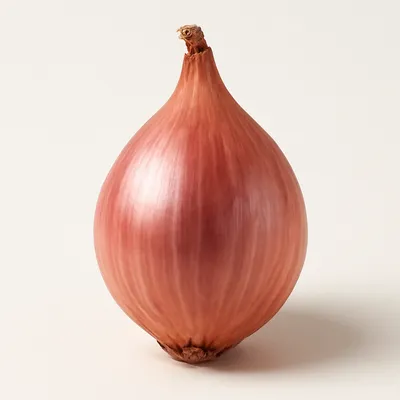
Mix minced pork with crab or shrimp, the noodles, wood-ear, grated vegetables, minced shallot, pepper, fish sauce and a beaten egg until cohesive.
- 412 min
Brush a sheet of rice paper lightly with water or thin beer to soften; place a spoonful of filling near one edge, fold in the sides, and roll up snug.
Watch outBrush the rice paper with only a light film of water — a quick brush, never a soak — so it stays pliable to roll but crisps cleanly in oil.
- 58 min
Fry the rolls in medium-hot oil until pale and set, then lift out and rest.
- 66 min
Just before serving, return the rolls to hotter oil for a second fry until deep golden and shattering-crisp; drain.
Watch outFry a second time in hotter oil just before serving — the first pass sets them, the second drives off oil and makes the shell shatter-crisp.
- 75 min
Cut on the diagonal and serve with lettuce, herbs and a bowl of nuoc cham.


