



Found only in Hoi An, central Vietnam — a 16th-to-19th-century Chinese-Japanese-Vietnamese trading port where Fujianese, Japanese, and Cham populations all left culinary traces. The dish's exact origin is unsettled — Hoi An's own Chinese community does not claim it as Chinese food, and Japanese researchers note a resemblance to Ise-region noodles, though the flavor and method differ; the dish's geographic uniqueness is real — locals insist authentic cao lau requires water from one specific Cham-era well, the Ba Le, treated with wood ash from local trees.
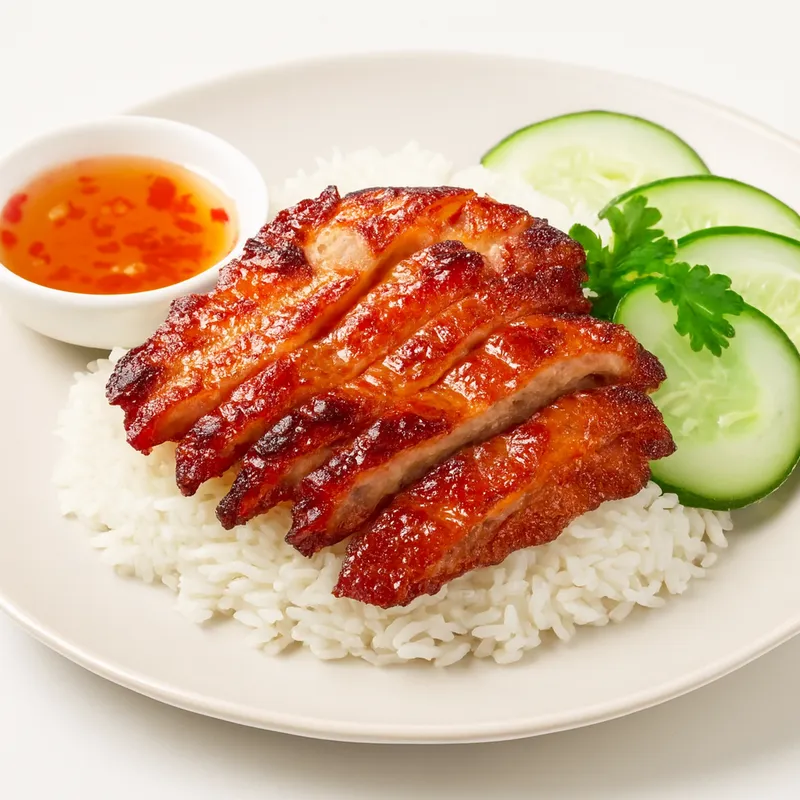
Hoi An's noodle, made nowhere else — the dough is supposed to use ash water from Cham Islands trees and well water from Ba Le's specific well. Char siu pork sits on top, no broth, just a slick of meat juices.
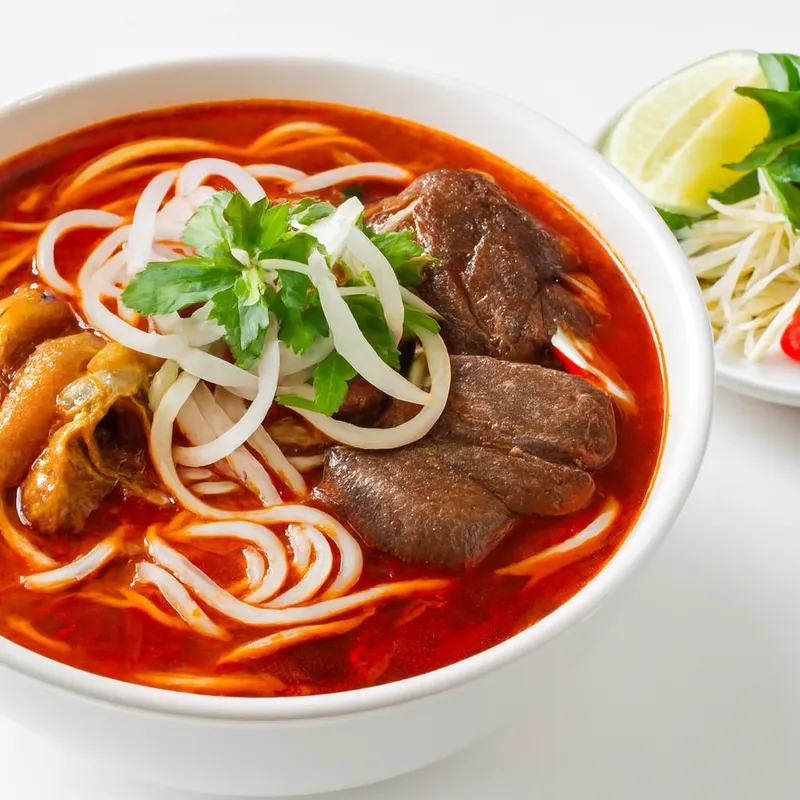
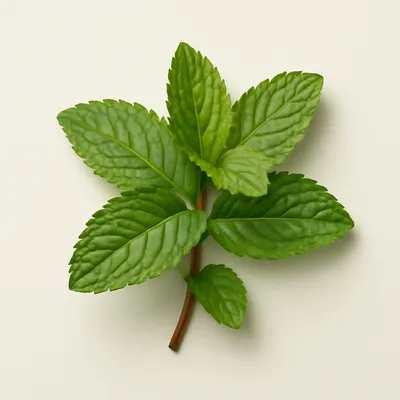
A small bowl, almost dry — thick yellow noodles with a chew closer to udon than pho, slices of char siu pork, fresh greens, and golden squares of fried wonton skin on top. Only a few spoonfuls of dark, almost sweet broth pool at the bottom. You toss it like a salad before eating. The crunch of the croutons against the dense noodles is the whole point.
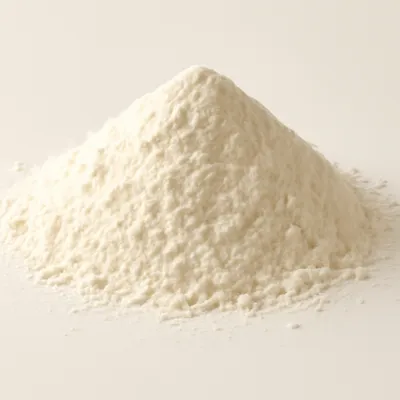
The noodle treatment is the load-bearing trick. Rice flour is soaked in water that's been treated with wood ash (lye water), which raises pH, denatures proteins, and gives the noodle its yellow tint and unusual snap-then-chew texture. Modern shops use baking soda as a shortcut; you can taste it — the noodle goes slick instead of dense.
Variations
Hoi An traditional (Ba Le well water non-negotiable per locals); modern Saigon versions use regular alkaline noodles; vegetarian cao lau chay swaps pork for fried tofu and mushrooms; tourist versions add broth incorrectly.
On the Palate
Where Cao Lau sits in the Vietnamese flavor cloud
The noodle is the whole dish: cao lau's signature dense, snap-then-chew texture comes from rice noodles treated with alkaline lye (wood-ash) water — with baking soda as the common shortcut — so don't over-boil them; pull them while they still have real bite or they go slick and lose the point.
Ingredients


How it's made
5 steps · 30 min active + 15 min waiting
- 15 min
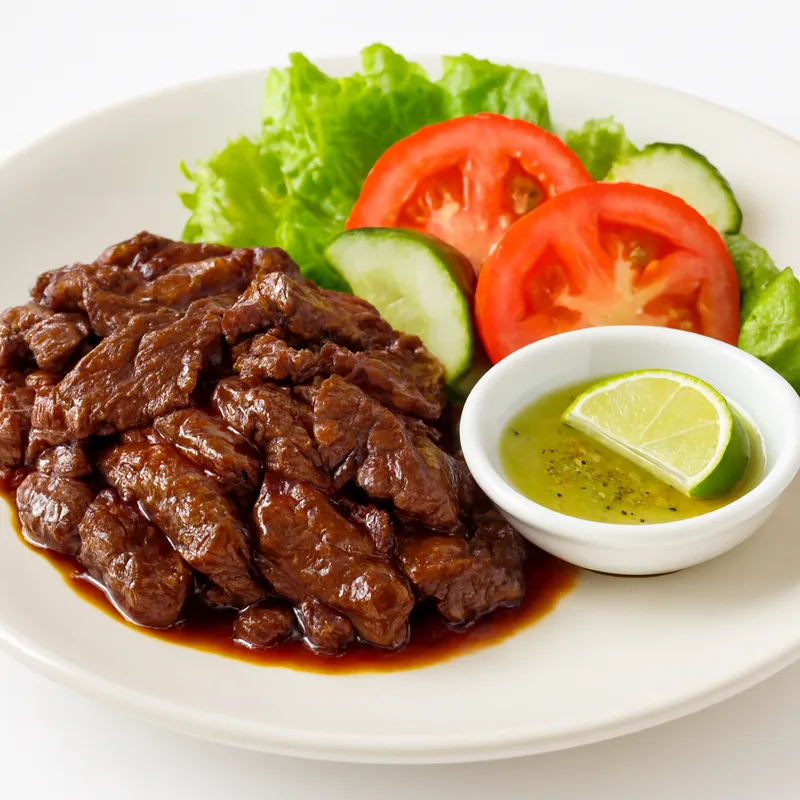
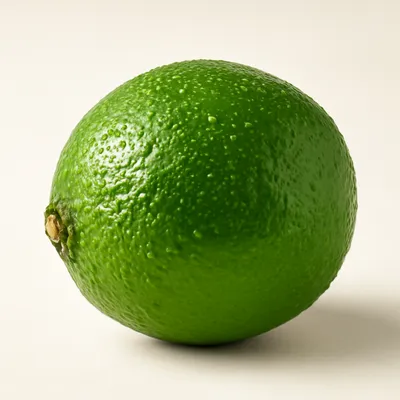
In a bowl, combine soy sauce, minced garlic, and lime juice to create a marinade. Submerge the pork pieces, ensuring they are fully coated, and let them marinate for at least 15 minutes to absorb the flavors.
- 25 min
Bring a pot of water to a boil and add the rice noodles. Cook until they are just tender, about 4 minutes, then drain and rinse under cold water to halt the cooking process.
Watch outPull the noodles at just-tender, around 4 minutes, and shock them cold immediately — a few seconds too long and the alkaline snap goes soft.
- 312 min
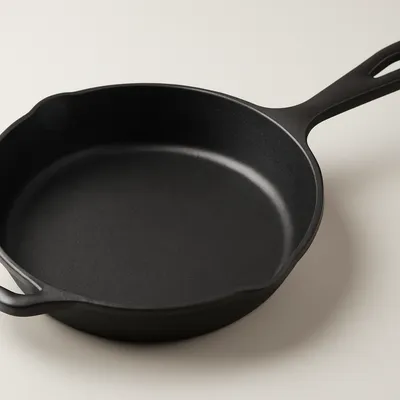
Heat a skillet over medium-high heat and sear the marinated pork until golden brown and cooked through, about 6 minutes per side. The pork should have a caramelized exterior with a juicy interior.
Watch outDon't move the pork until a deep golden crust forms — about 6 minutes a side; that caramelized surface is where the savory-sweet flavor comes from.
- 43 min
On a serving platter, layer fresh lettuce, mint, and any additional herbs. These will provide a fresh, aromatic base for the dish.
- 55 min
Arrange the cooked noodles on top of the herb layer. Slice the seared pork and place it over the noodles. Garnish with additional herbs and serve with lime wedges on the side.
Watch outAssemble in order — herbs down first, then noodles, then the sliced pork on top — so every mouthful pulls up some fresh green with the meat.
Archive tool suggestions — not reviewed
These legacy suggestions have not been evidence-reviewed and are not presented as required tools.