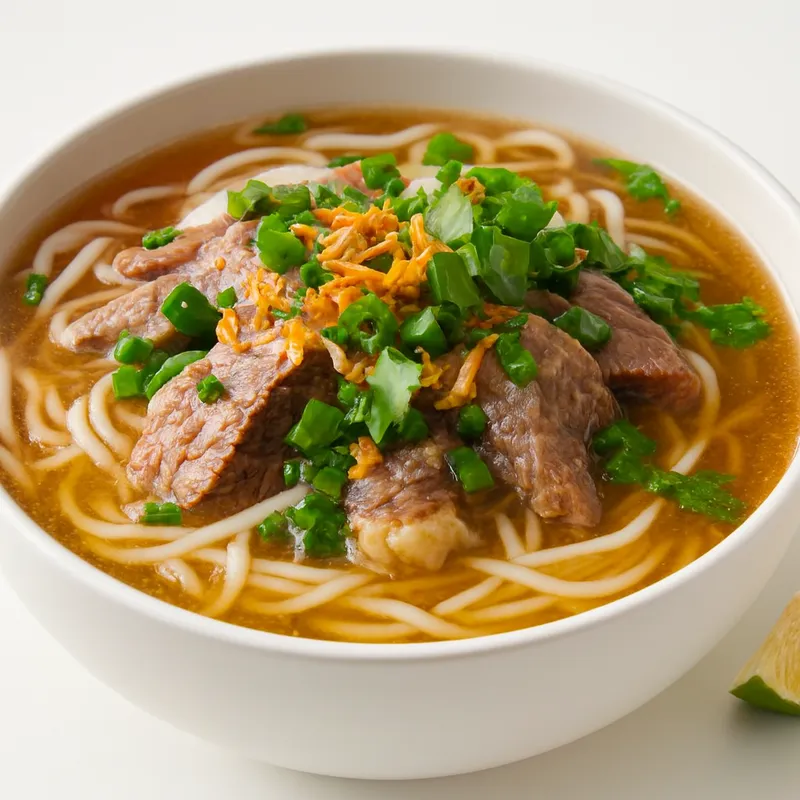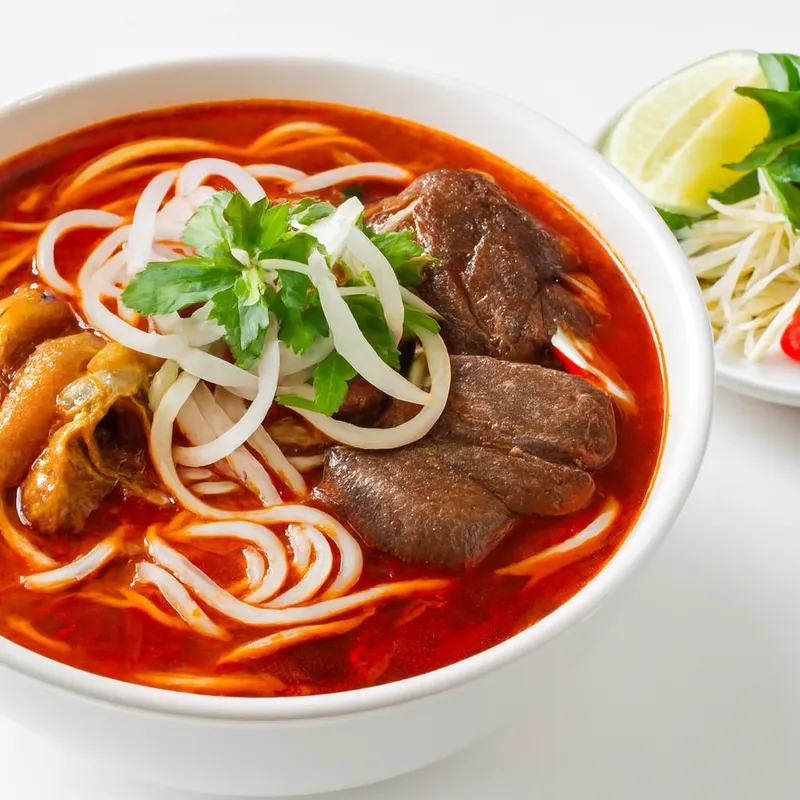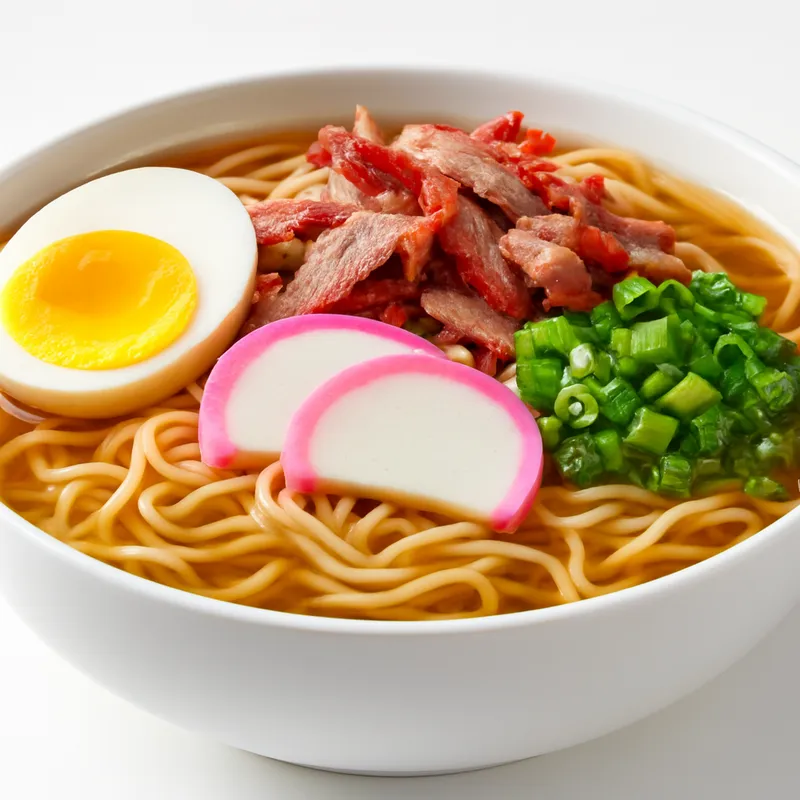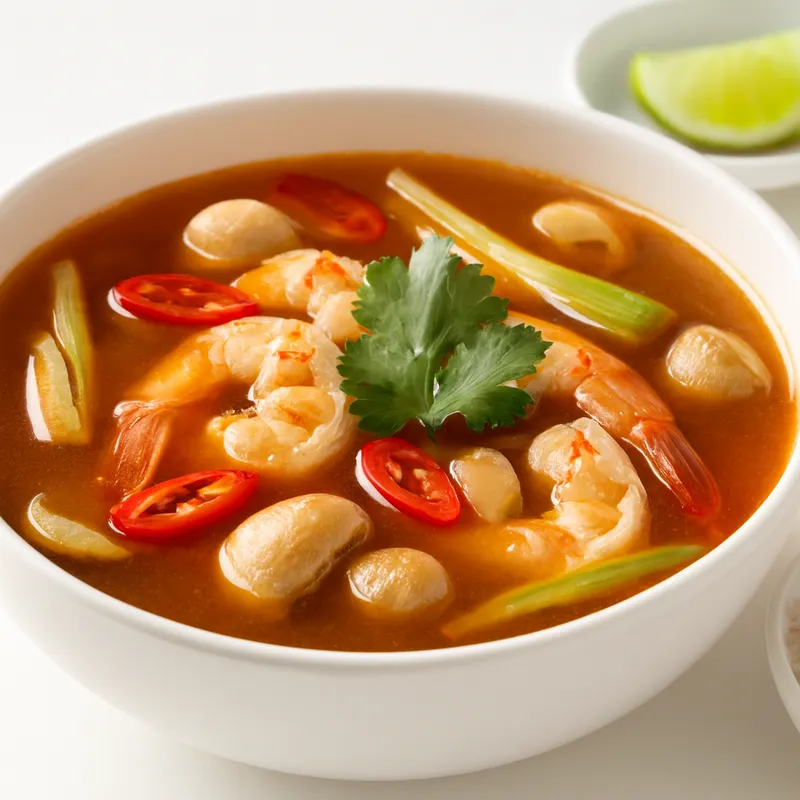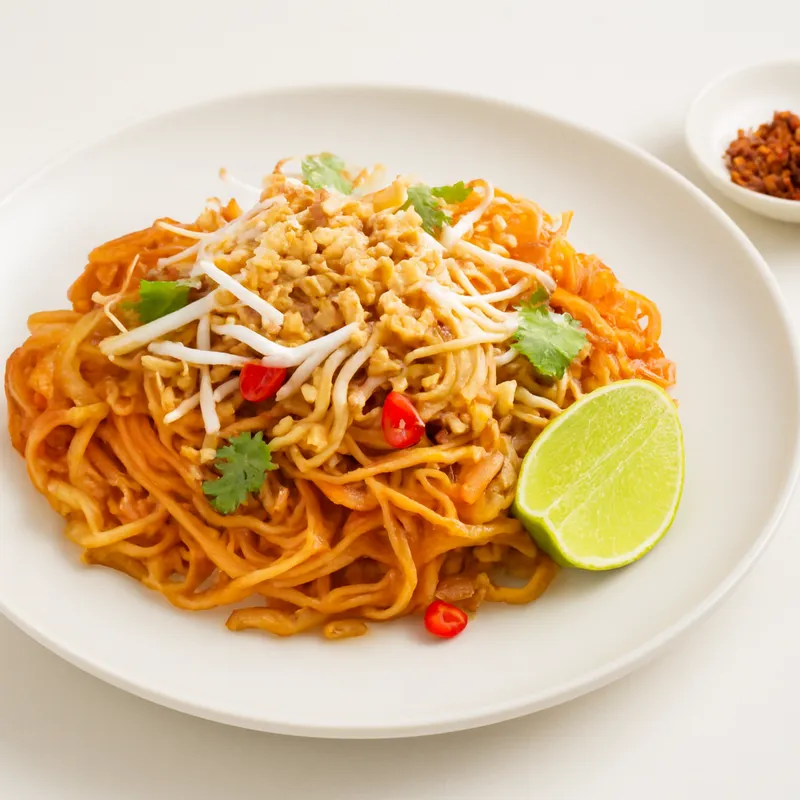



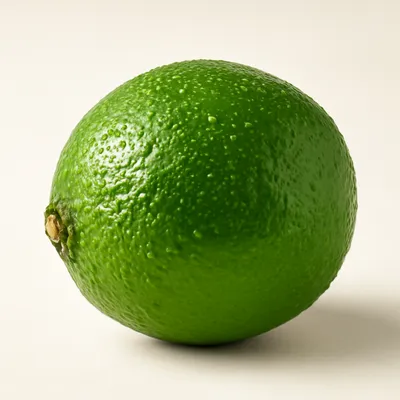

Brought to the Mekong Delta by Teochew Chinese immigrants in the 18th–19th centuries — the name itself derives from the Teochew "kway teow." The southern Vietnamese version diverged from its Chinese parent through the addition of dried squid to the stock and the use of tapioca noodles, both regional adaptations. Hu tieu Nam Vang, the Phnom Penh style, traveled back across the Cambodian border and is the version most foreign visitors meet.
Cambodian-Chinese-Vietnamese border noodle — kuy teav crossed the Mekong into the Delta. My Tho's clear pork-bone broth is canonical, served dry (kho) or wet (nuoc); pork everywhere — quail eggs, liver, head meat.
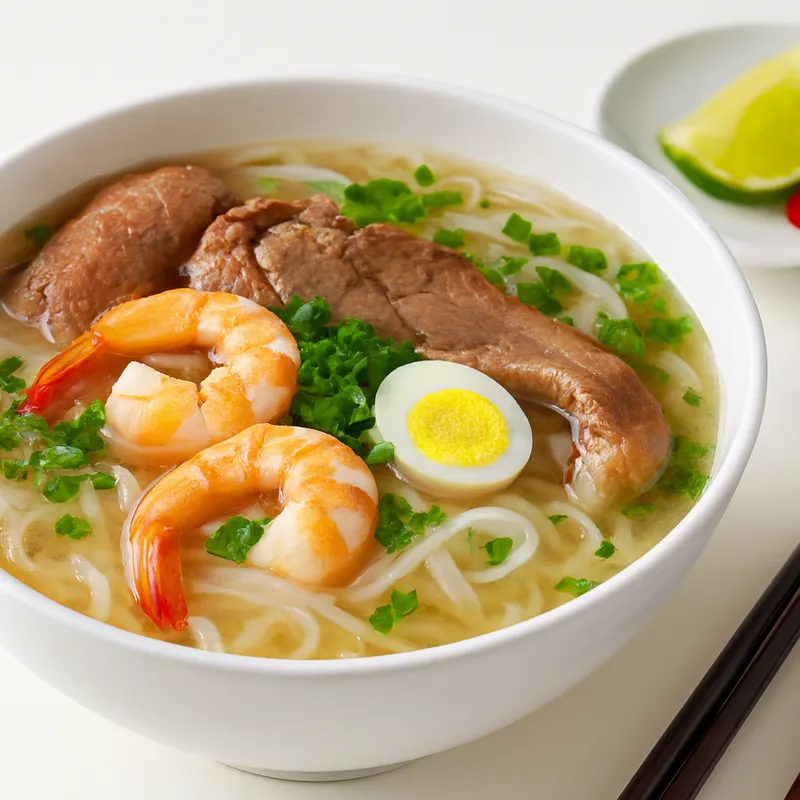
A clear, slightly sweet pork broth — the sweetness comes from rock sugar and dried squid in the stock, not seasoning at the table. Tapioca-and-rice noodles that are translucent and springier than regular rice noodles. Toppings vary by shop: poached shrimp, sliced pork, quail eggs, a few cracklings, fried garlic on top. The broth should be clean enough to drink straight, no oil slick.
Dried squid is the load-bearing trick. A few pieces simmered in the pork stock contribute glutamates that round out the broth and a faint marine perfume that distinguishes hu tieu from generic pork-bone soup. Without it, the soup tastes like watered phở; with it, the bowl reads as something specifically southern. The squid is removed before serving — diners rarely see it.
Variations
Hu tieu My Tho (the canonical, clear broth); hu tieu Nam Vang (Phnom Penh-style, with shrimp and minced pork); hu tieu kho (dry, with sauce on the side); hu tieu sa te (Teochew satay-broth version in Saigon's Cho Lon).
On the Palate
Where Hu Tieu sits in the Vietnamese flavor cloud
Simmer a few pieces of dried squid in the pork stock — its glutamates round out the broth and add the faint marine note that makes this specifically hu tieu rather than plain pork-bone soup; keep the pot at a bare simmer so the broth stays clear.
Ingredients


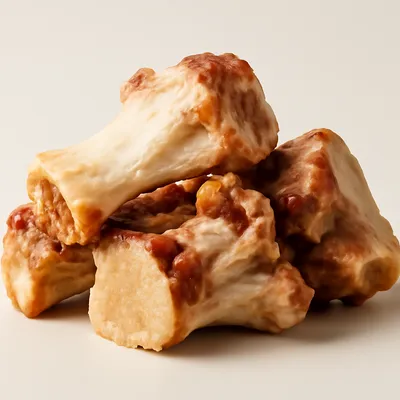




How it's made
5 steps · 17 min
- 13 min
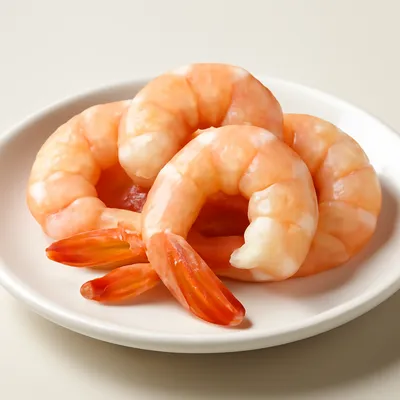
In a large pot, bring the broth to a gentle simmer. Add shrimp and let them cook until pink and opaque, about 3 minutes.
Watch outKeep the broth at a gentle simmer, not a boil; drop the shrimp in and pull them the instant they curl and turn opaque pink, about 3 minutes, or they toughen.
- 24 min
In a separate pan, sauté minced garlic in a bit of oil until golden and aromatic. Add fish sauce and sugar, stirring until the sugar dissolves completely.
Watch outFry the minced garlic only to golden and fragrant — pull it off the heat the second it smells nutty, because it slides from golden to burnt and bitter fast.
- 32 min
Add the cooked garlic mixture to the simmering broth. Stir to combine the flavors evenly.
- 45 min
Prepare the noodles by soaking them in hot water until tender, then drain and rinse under cold water to stop the cooking process.
Watch outSoak the noodles only until just tender, then rinse cold; a cold rinse stops the cooking and keeps them springy instead of mushy.
- 53 min
To serve, place noodles in a bowl, ladle the hot broth over them, and top with sliced beef, fresh herbs, and a squeeze of lime.