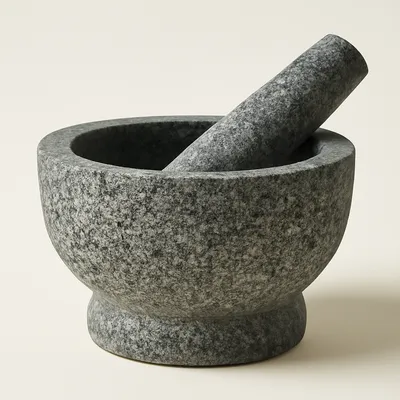
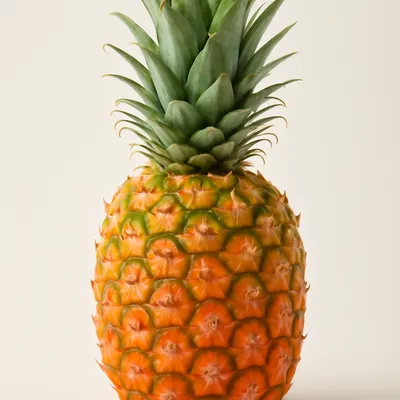
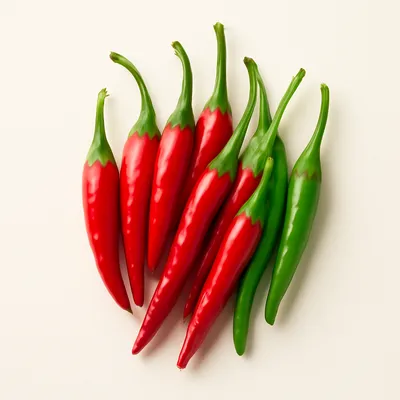
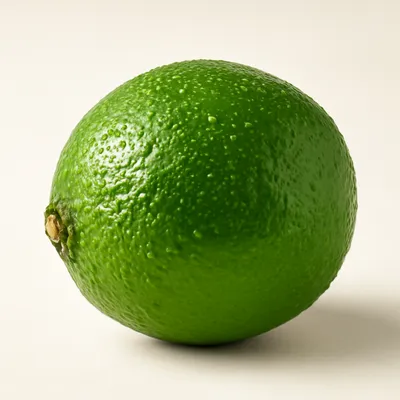
The pungent fermented anchovy sauce of Vietnam's central coast, and the great counterpoint to the region's clear, refined fish sauce. Where nước mắm is the amber liquid drained off the fermenting jar, mắm nêm is the jar itself — whole small anchovies (cá cơm) packed with salt and left to break down over months into a thick, grey-brown, intensely funky purée. It is too fierce to eat straight, so at the table it is loosened with water and dressed with crushed pineapple, pounded garlic and chili, sugar, and a squeeze of lime. This is the essential dip for bánh tráng cuốn thịt heo — rice-paper rolls of boiled pork and herbs — and the soul of central-coast bún and bánh hỏi plates.



Mam nem belongs to the fishing villages of Vietnam's central coast — Đà Nẵng, Quảng Nam, Huế, Bình Định — where the same anchovy hauls that feed the fish-sauce trade are also turned into this coarser, whole-fish ferment. Its exact origins are undocumented, as with most folk preserves: it is simply the way coastal households have stretched a glut of small fish into a year-round larder staple, salting them down before they spoil. Some sources trace the broader fermented-fish habit of the central region to the Cham who long inhabited this coast, though mam nem itself has become so thoroughly central-Vietnamese that the attribution is more cultural backdrop than firm lineage. What is clear is geography: the central provinces are Vietnam's heartland of mắm (fermented fish and shrimp preserves), and mam nem is the table sauce that defines the region's plate as surely as mắm tôm marks the north.
The smell arrives before the spoon does — sharp, marine, barnyard-funky, the kind that clears a room or wins a convert. On the tongue the dressed sauce lands salty and deeply savory, then the crushed pineapple floods in with juice and sweetness and a faint prickle of acid, garlic and chili riding close behind. There is a fine grit to it, tiny flecks of broken-down fish, and a long umami finish that coats the mouth. Smeared over a rice-paper roll of warm pork and cool herbs, it turns each bite electric; the funk and the fruit are doing the same work in opposite directions.
Mam nem is salt-driven fermentation, the same engine behind fish sauce but stopped at a different station. Whole anchovies are packed with roughly twenty to thirty percent salt by weight — enough to shut out spoilage bacteria while leaving the fish's own gut and muscle enzymes free to work. Over months these proteases autolyze the flesh, cleaving proteins into free amino acids (above all glutamate, the source of the deep umami) and small peptides, while the bones soften and the mass turns to purée. Where nước mắm is the clear liquid drawn off this process, mam nem keeps the whole macerated fish, so it is thicker, grittier, and far more pungent — carrying the volatile amines and sulfur notes the strained liquid leaves behind. The table dressing is the fix for that intensity: pineapple is the key move. Its sweetness and acidity round off the salt and tame the funk, and its enzyme bromelain helps break the sauce's proteins into a smoother, mellower body, while pounded garlic, chili, sugar, and lime build the balance that makes the funk crave-able rather than punishing.
Variations
Two grades of the base ferment circulate: mắm nêm nguyên con keeps the fish bodies whole and chunky, while mắm nêm xay is ground to a smooth thick paste — the latter is what most cooks reach for to dress a dip. The table version (mắm nêm pha) varies house to house: some pound the pineapple to a pulp for a thicker sauce, others add a sliver of lemongrass, galangal, or sliced green banana and starfruit alongside the rolls. This standalone condiment should not be confused with bún mắm nêm, the Đà Nẵng noodle bowl — that is a finished dish of rice vermicelli, sliced pork, and herbs dressed with this very sauce; here the sauce itself is the subject, the building block that dish is built on.
On the Palate
Where Mam Nem sits in the Vietnamese flavor cloud
Ingredients
Serves 6
How it's made
5 steps · 10 min
- 12 min
Spoon the ground fermented anchovy sauce into a bowl; if it is very thick or salty, thin it with a little warm water (or unsweetened pineapple juice) to a pourable consistency.
Watch outThin the thick, salty anchovy sauce with warm water or unsweetened pineapple juice to a pourable consistency; it should be a sauce you can drizzle, not a paste.
- 23 min
Pound or finely crush fresh pineapple to a pulp and stir it in, with its juice, to sweeten and round off the salt.
- 32 min
Pound the garlic and bird's eye chili together to a rough paste and fold them through.
- 42 min
Stir in sugar and a squeeze of lime, then taste and adjust — it should land salty, sweet, sour, and funky all at once.
Watch outTaste and balance so it lands salty, sweet, sour and funky all at once; if any one note dominates, adjust before it goes to the table.
- 51 min
Finish with a little minced lemongrass for fragrance and rest a few minutes to let the flavors marry before serving with rice-paper pork rolls.
Archive tool suggestions — not reviewed
These legacy suggestions have not been evidence-reviewed and are not presented as required tools.