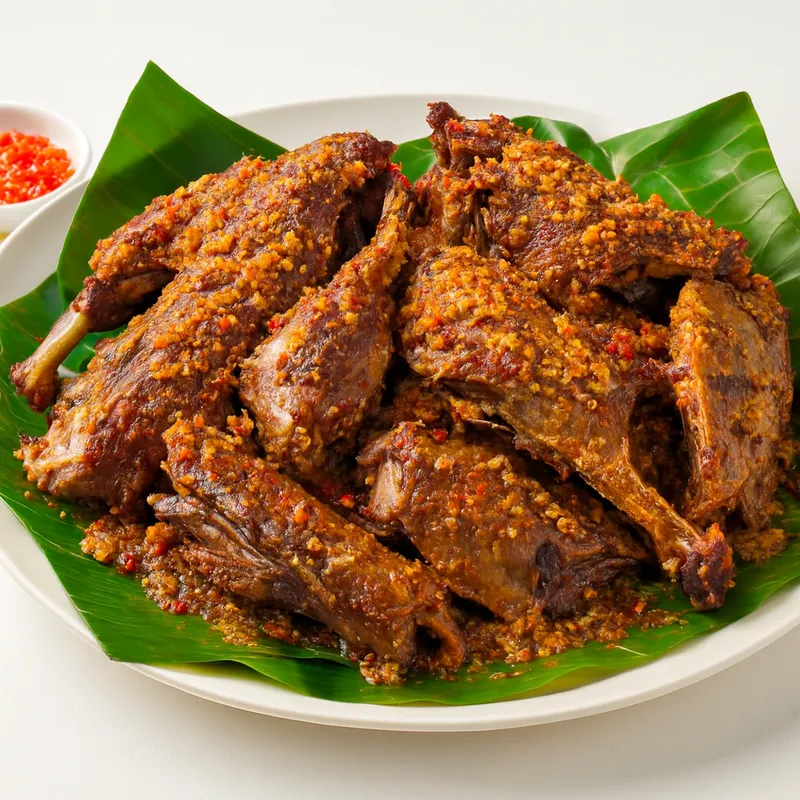
A Sundanese rice dish in which warm cooked rice is pounded together with seasoned, roasted oncom — a fermented press-cake made from peanut residue or soybean pulp. The name comes from tutug, meaning to pound or mix, and oncom; the grain takes on a smoky, savory, faintly funky character. Most associated with Tasikmalaya in West Java, it is served with fried chicken or fish, tofu, tempeh, raw vegetables, and sambal.



Oncom is a distinctly West Javanese ferment, traditionally grown on peanut press-cake (the residue left after pressing oil) or tofu/soy pulp, inoculated with the orange mold Neurospora intermedia or the black Rhizopus oligosporus. The dish is a thrift food of the Priangan highlands — pounding cheap, protein-rich oncom into the day's rice stretched a modest meal. It is closely tied to Tasikmalaya, where tutug oncom is a regional signature, though the wider Sundanese countryside has long eaten oncom in many forms.
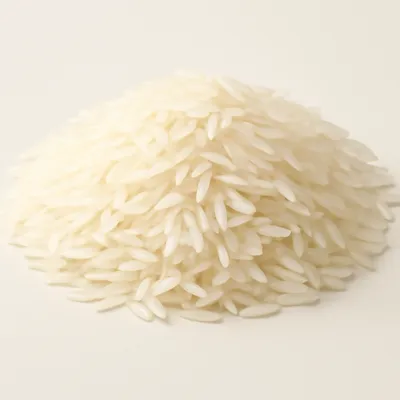
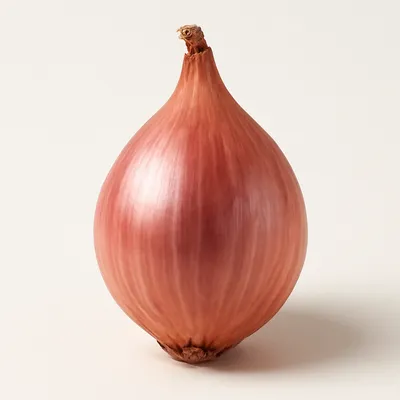
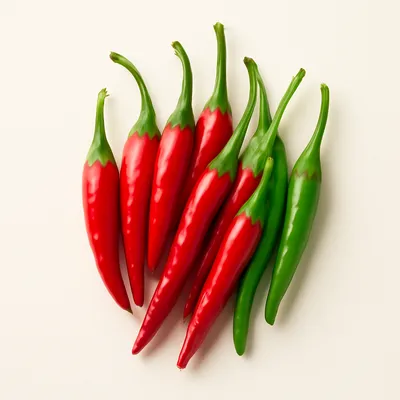
Rice that looks plain but eats deeply savory — each grain carries crumbs of roasted oncom seasoned with garlic, shallot, kencur, and chili. Warm, a little smoky, with the gentle funk of the ferment underneath and a kick of bird's eye chili if you want it. Eaten with fried chicken or fish, crisp tofu and tempeh, raw lalapan vegetables, and sambal, it is humble Sundanese home cooking at its most comforting.
The oncom is first roasted or dry-fried until its moisture leaves and the fermented aroma deepens — raw oncom tastes flat, but heat caramelizes the mold-grown sugars and concentrates the savor. It is then crumbled and pounded into hot rice in a mortar, or mixed by hand; pounding while the rice is hot lets the seasoned crumbs fold evenly through the grain rather than sitting on top. The ferment supplies glutamates that read as deep umami without any meat.
Variations
The Tasikmalaya version is the benchmark, often using black oncom for a stronger flavor; some cooks wrap and grill the mixed rice in banana leaf (nasi tutug oncom bakar) for an extra smoky note. Orange oncom gives a milder, sweeter result. It overlaps with nasi timbel and the broader Sundanese composed plate, differing only in that the oncom is worked into the grain rather than served alongside.
On the Palate
Where Nasi Tutug Oncom sits in the Indonesian flavor cloud
Ingredients
Serves 4How it's made
7 steps · 25 min active + 10 min waiting
- 115 min
Cook the rice and keep it hot and covered.
- 26 min
Dry-roast or fry the oncom until fragrant and its moisture has evaporated, then crumble it.
Watch outDry-roast the oncom until fragrant and its moisture is gone — raw oncom tastes flat, and driving off the water concentrates the fermented savor.
- 34 min
Pound shallot, garlic, kencur, chili, and salt into a coarse paste.
- 43 min
Saute the paste in a little oil until aromatic, then fold in the crumbled oncom and fry briefly.
- 53 min
Tip the seasoned oncom into the hot rice and pound or mix until evenly combined.
Watch outPound or mix the seasoned oncom into the rice while it's hot — the heat lets the crumbs fold evenly through the grains rather than sitting on top.
- 61 min
Taste and adjust salt and chili.
- 72 min
Plate the rice and serve with fried chicken or fish, tofu, tempeh, lalapan, and sambal.