A Minangkabau beef dish whose name comes from the pounding that makes it: thin slices of beef are tenderized by beating them flat against a stone, then grilled or fried, and crowned with a coarse, fresh green-chili sambal lado mudo. Where its red-sambal cousin dendeng balado is dried and fried crisp, dendeng batokok stays chewier and more tender, the pounded fibers soaking up a smoky char. The heat is green and grassy rather than deep-red and fiery — bright, raw and sharply chili-forward over the meat.


Dendeng batokok comes from Padang (Minangkabau) cuisine in West Sumatra, where 'batokok' derives from the Minang verb tokok, 'to beat' or 'to pound.' The name describes the defining step: the beef is laid on a stone or board and struck to flatten and loosen the fibers so it cooks quickly and drinks in seasoning. It belongs to the same display of small dishes as rendang and dendeng balado in the Rumah Makan Padang, where diners point to what they want. Within the dendeng family it is the pounded, green-sambal counterpart — distinct from the sun-dried, red-sambal dendeng balado — and is closely tied to the highland town of Bukittinggi.
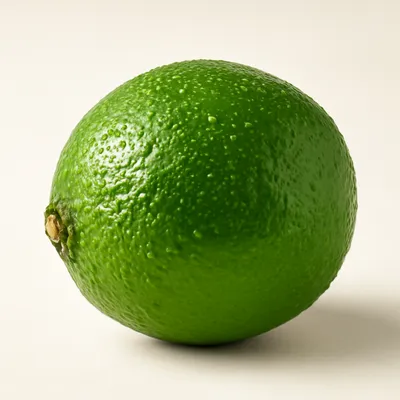
First the char — a smoky, slightly caramelized edge from the grill — then a tender, springy chew that the pounding gives, looser and juicier than crisp dried beef. Piled on top is the sambal lado mudo: coarsely crushed green chilies and shallots, grassy and sharp, with a green heat that builds clean and bright rather than deep. There is acidity in it too, often from a squeeze of lime, cutting the richness of the meat. Eaten with hot rice, it is bold, smoky and unmistakably chili-forward.
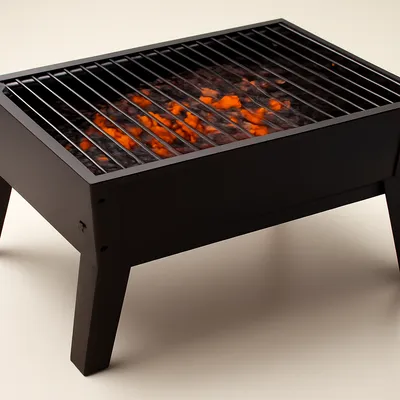
Pounding is mechanical tenderizing: striking the slices breaks down muscle fibers and connective tissue so the beef turns tender despite being cooked fast, and the loosened, roughened surface both grips the sambal and chars well over fire. The meat is usually seasoned or briefly simmered with aromatics first, then grilled over charcoal so the surface caramelizes and picks up smoke. The sambal lado mudo is kept deliberately coarse and barely cooked — green chilies and shallots crushed, then flash-fried or wilted just enough to soften the raw bite while holding their fresh, grassy character; cooking it down to a smooth red paste would make it a different sauce entirely.
Variations
The classic topping is green sambal lado mudo, but some kitchens serve dendeng batokok with red sambal balado instead, blurring the line with its fried cousin. The beef may be grilled over charcoal for more smoke or pan-fried for convenience, and some cooks lightly sun-dry it first for extra chew. The pounded technique is also applied to other proteins, and the dish is naturally free of coconut milk, keeping the focus squarely on char and chili.
On the Palate
Where Dendeng Batokok sits in the Indonesian flavor cloud
Ingredients
Serves 4

How it's made
8 steps · 45 min active + 30 min waiting
- 110 min
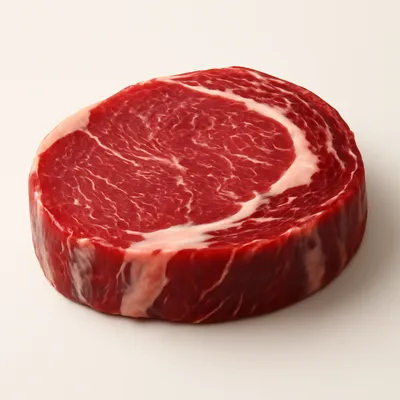
Slice the beef thin against the grain into broad, even pieces.
- 215 min
Season the slices with salt and aromatics, or briefly simmer them to flavor.
- 312 min
Lay each slice on a stone or board and pound it flat to loosen the fibers.
Watch outPound each slice flat to loosen the fibers — this tenderizes the beef and roughens the surface so the sambal grips and it chars well.
- 412 min
Grill the pounded beef over charcoal until charred and smoky, or pan-fry it.
- 55 min
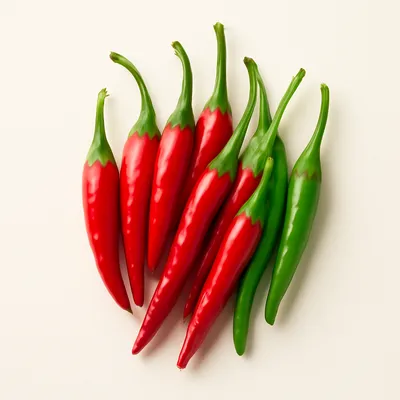
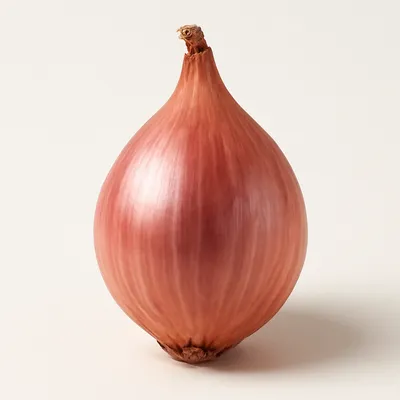
For the sambal, coarsely crush green chilies and shallots together.
- 65 min
Flash-fry the green sambal in hot oil just until softened, keeping it coarse.
Watch outFlash-fry the green sambal only until it just softens, keeping it coarse — overcook it and you lose the fresh, grassy bite that defines it.
- 72 min
Squeeze in lime and season the sambal with salt.
- 82 min
Pile the green sambal over the grilled beef and serve hot with rice.
Archive tool suggestions — not reviewed
These legacy suggestions have not been evidence-reviewed and are not presented as required tools.