A naturalized Chinese-Indonesian stir-fry of mixed vegetables — carrot, cauliflower, cabbage, baby corn, mushroom and greens such as choy sum — tossed quickly over high heat with garlic and slices of chicken, prawn or meatball. It comes two ways: capcay kuah, finished with a light cornstarch-thickened gravy, and capcay goreng, kept dry. Mildly seasoned with soy and a little oyster sauce, it is the everyday vegetable plate of Indonesian-Chinese home cooking and warung menus, eaten with steamed rice.






The name comes from Hokkien — cap meaning ten and cai meaning vegetables, literally 'ten kinds of vegetables', though the number is figurative rather than fixed. It was carried to the archipelago by Hokkien-speaking Chinese settlers, whose descendants form the bulk of Indonesia's ethnic-Chinese community, and over generations it became a thoroughly Indonesian dish served far beyond Chinese households. The exact vegetable mix was never standardized; capcay is by nature a use-up-what-you-have stir-fry, which is part of why it spread so widely.
Each vegetable keeps its own character — carrot and baby corn stay sweet and crunchy, cauliflower holds a firm bite, the leafy greens go just-wilted and glossy. In the kuah version a thin, clear gravy pools at the bottom of the plate, faintly savoury from soy and oyster sauce and clinging to every piece; the goreng version is drier, with a touch of wok char on the cabbage. Garlic runs through the whole dish, and the prawn or chicken adds a little weight against all the greenery.
The whole point is high heat and speed. Vegetables go into the wok in order of how long they take — the firm ones such as carrot and cauliflower first, the quick greens last — so everything finishes crisp-tender at the same moment rather than stewing. A blast of intense heat sears the surfaces and drives off water fast, which is what keeps the colours bright and the textures snappy. For capcay kuah a slurry of cornstarch and water is stirred in at the end; the starch granules swell and gel as they hit the hot liquid, turning the pan juices into a light, clinging gravy in seconds.
Variations
The two main forms are capcay kuah (with gravy) and capcay goreng (dry); a soup-like capcay with more broth is sometimes called capcay sup. The protein is interchangeable — chicken, prawn, squid, fish balls, or all of them together in a 'capcay seafood'; non-halal home versions may use pork. Vegetarian capcay drops the meat entirely. There is no canonical vegetable list, so the mix shifts with the season and the cook.
On the Palate
Where Capcay sits in the Indonesian flavor cloud
Ingredients
Serves 4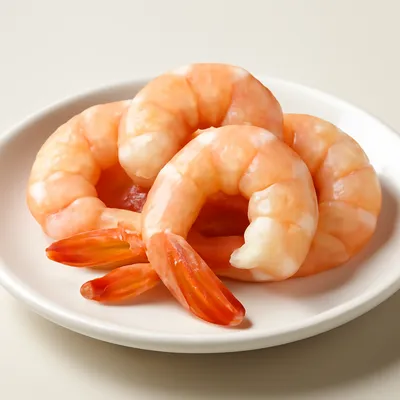



How it's made
8 steps · 20 min
- 110 min
Cut all the vegetables into even bite-size pieces and group them by how long they take to cook.
- 25 min
Slice the chicken or prepare the prawns; mince the garlic.
- 33 min
Heat oil in a wok over high heat and fry the garlic until fragrant, then add the protein and cook through.
- 42 min
Add the firm vegetables — carrot, cauliflower, baby corn — and toss for a minute.
Watch outAdd the vegetables by cooking time, firm ones first — the whole dish should finish crisp-tender at once, not stewed limp.
- 52 min
Add the quicker vegetables and leafy greens and keep tossing over high heat.
- 61 min
Season with soy sauce, oyster sauce, a little salt, sugar and ground white pepper.
- 72 min
For capcay kuah, pour in a splash of stock or water and stir in a cornstarch slurry to thicken; for goreng, skip the liquid.
Watch outFor the soupy version, stir the cornstarch slurry into hot liquid and cook just until it turns to a light clinging gravy — seconds, or it goes gluey.
- 81 min
Toss to coat, check the seasoning, and serve hot with steamed rice.


