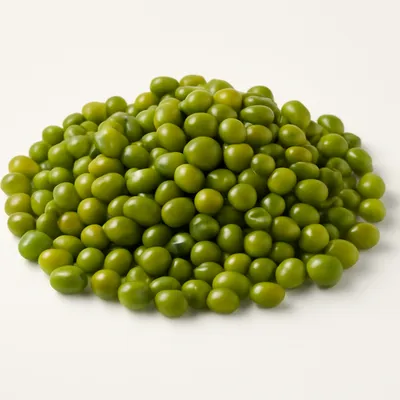
Onde-onde is a glutinous-rice ball filled with sweet mung-bean paste, rolled in white sesame seeds and deep-fried until the shell puffs golden and crisp. The dough is soft and chewy, the sesame crust toasty and crackly, and the centre a smooth, gently sweet bean filling. In Java this is what 'onde-onde' means — a Chinese-derived snack distinct from the syrup-filled klepon that the name denotes elsewhere. It is sold warm from market stalls and snack trays across the country.



Onde-onde traces directly to the Chinese jian dui (also known as matuan), a sesame-coated fried glutinous-rice ball brought to the archipelago by Chinese settlers and long naturalized into Indonesian market cooking. In Java the town of Mojokerto is widely associated with the snack and is sometimes called its 'city of onde-onde'. The same name attaches to a different sweet — the syrup-filled klepon — in parts of Sumatra and Sulawesi, a naming overlap that is well documented rather than a sign of common origin. Its precise arrival date is not firmly recorded, so the Chinese-Indonesian lineage is best read as a community heritage.
The first crunch is the sesame shell — toasty, nutty and audibly crisp — giving way to a soft, stretchy glutinous skin that pulls a little as you bite. Then comes the warm mung-bean centre, smooth and mildly sweet, sometimes scented with pandan. Eaten fresh and warm the contrast is at its best: crackly outside, chewy middle, tender filling, none of it cloying.
Frying does two things at once. As the wet glutinous dough hits the hot oil, surface moisture flashes to steam and the cooking starch traps it, inflating the ball and giving the airy puff and chew. Meanwhile the sesame coating, pressed on firmly so it stays put, toasts in the oil and develops its nutty aroma. Frying at a moderate temperature and nudging the balls so they roll evenly keeps the shell from scorching before the inside is cooked, and the relatively dry mung-bean paste keeps the centre from bursting the skin.
Variations
The classic mung-bean filling is most common, but red bean, black sesame paste, salted egg, lotus paste and even cheese or chocolate appear in modern versions; the dough is sometimes tinted green with pandan. A close kin, onde-onde ketawa ('laughing' sesame balls), is hollow and crackled open with no filling, while the same Chinese jian dui lineage runs through many Southeast Asian markets.
On the Palate
Where Onde-Onde sits in the Indonesian flavor cloud
Ingredients
Serves 6How it's made
8 steps · 45 min active + 30 min waiting
- 120 min
Cook split mung beans until soft, then mash with sugar and a little coconut milk and cook down into a thick, dry paste; cool and roll into small balls.
Watch outCook the mung-bean paste down thick and dry before rolling — a wet, loose center bursts the skin in the oil.
- 28 min
Mix glutinous rice flour with a little sugar, then knead in warm water until a soft, smooth, non-sticky dough forms.
- 33 min
Divide the dough into pieces and flatten each into a disc.
- 46 min
Place a ball of mung-bean filling on each disc and pinch the dough closed, then roll into a smooth ball.
- 55 min
Lightly wet each ball and roll it firmly in white sesame seeds until fully and evenly coated.
- 63 min
Heat oil to a moderate temperature.
- 78 min
Fry the balls in batches, rolling and pressing them gently against the pan so they puff and colour evenly.
Watch outFry at moderate heat, rolling the balls so they color evenly — too hot and the sesame shell scorches before the inside cooks, and the ball puffs unevenly.
- 84 min
Fry until golden and crisp, drain well, and serve warm.


