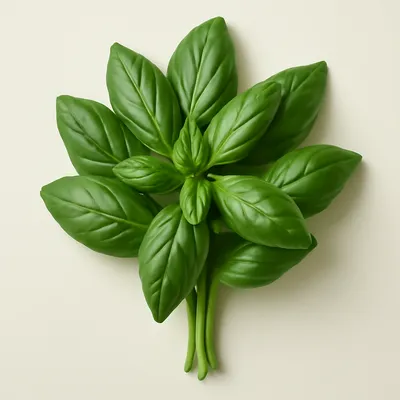
A Manadonese fried stuffed bun, half-moon shaped like an empanada but made from a soft, slightly sweet yeast-leavened dough rather than pastry. The filling is shredded cakalang — skipjack tuna — cooked rica-style with chili, shallot, ginger, lemongrass and lemon basil until hot, fragrant and almost dry. The filled crescents are sealed at the edge and deep-fried until golden and puffed. Widely regarded as a Minahasan descendant of the Iberian empanada, panada is a fixture of Manado snack stalls, markets and gatherings.


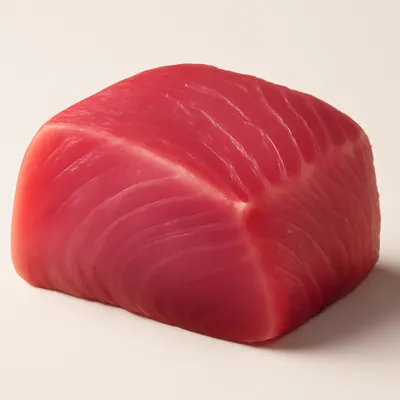

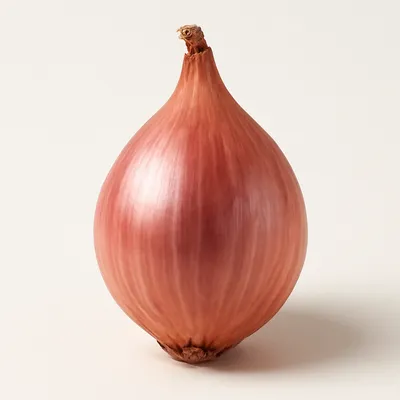

Panada is part of the European-tinged layer of Minahasan food in North Sulawesi, a region with a long history of Iberian and Dutch contact, and is generally understood as a local descendant of the empanada brought by Portuguese and Spanish traders. The name itself echoes that lineage. What makes the Manado version distinct is the swap from pastry to a soft leavened bread dough and the unmistakably local filling of rica-spiced cakalang, the smoked-and-fresh skipjack that anchors so much of North Sulawesi cooking. As a folk snack it carries no single recorded date or inventor, but its regional identity is firm — across Indonesia panada reads as a Manado specialty.
The shell is the surprise — not a crisp short pastry but a soft, airy fried bread, golden and lightly chewy, faintly sweet against what is inside. And what is inside is fierce: shredded skipjack carrying real chili heat, sharp with shallot and ginger, lifted by lemongrass and the green note of lemon basil, savory and almost flossy in texture. The contrast of mild, pillowy bread and hot, intensely flavored fish is the whole point. Good ones are eaten warm, when the dough is at its softest and the filling still aromatic.
Two processes carry the dish. The dough is a yeast-leavened bread: the yeast ferments and produces carbon dioxide that inflates the gluten network, so after proofing the sealed crescents puff in the fryer into a soft, open crumb rather than a dense one. The filling is built by the rica method — chili and aromatics are fried so the fat-soluble flavors and capsaicin release into the oil, then the shredded skipjack is stir-fried and cooked down until nearly dry, both to concentrate flavor and to keep moisture from making the dough soggy or causing the parcels to burst. Frying then sets the bread quickly: the wet surface steams, the outside browns through the Maillard reaction, and the trapped gas expands to give the airy interior.
Variations
Spiced cakalang is the canonical filling, but cooks also use other fish, and savory mixtures of egg, vermicelli or vegetables turn up. The dough varies in sweetness and richness, with some recipes enriching it with egg or coconut milk for a softer crumb. Panada is close kin to its Manadonese cousins — it shares its rica-spiced fish filling with the steamed parcel panada's baked relatives and the same flavor world as the cakalang dishes — and stands alongside other fried snacks at the same stalls.
On the Palate
Where Panada sits in the Indonesian flavor cloud
Ingredients
Serves 6


How it's made
8 steps · 1 hour 30 min
- 115 min
Dissolve the yeast and sugar in warm water, then knead with flour and a little salt into a soft dough.
- 260 min
Cover and leave the dough to rise until doubled.
- 315 min
Flake the cooked skipjack and grind shallot, garlic, chili and ginger into a paste.
- 412 min
Fry the spice paste with bruised lemongrass until fragrant, then stir in the fish and cook until nearly dry.
Watch outCook the fish filling down until nearly dry — a wet filling makes the dough soggy and can burst the parcels in the oil.
- 53 min
Stir lemon basil through the filling, season, and leave it to cool.
- 620 min
Divide the dough, roll into rounds, spoon filling onto each and fold into sealed half-moons.
- 710 min
Let the filled parcels rest briefly, then deep-fry in hot oil until golden and puffed.
Watch outRest the filled parcels briefly so the dough puffs, then deep-fry hot until golden and inflated.
- 85 min
Drain and serve warm.


