A specialty of Kandangan in South Kalimantan, built on compressed rice cakes and smoked haruan (snakehead fish) in a turmeric-coconut gravy. The fish is first smoked, then simmered in a thin, fragrant coconut sauce spiced with galangal, lemongrass, and kaffir lime. The firm ketupat is torn into the bowl and doused with the gravy. By tradition it is eaten by hand, without a spoon, the way it is served at the warungs of Kandangan.




Ketupat Kandangan takes its name from the town of Kandangan in Hulu Sungai Selatan, the river-rich heart of Banjar country in South Kalimantan. The wetland rivers there yield haruan (snakehead), the freshwater fish at the centre of much Banjar cooking, and smoking it was a practical way to keep and concentrate its flavour. The dish is regional everyday and market food rather than a courtly or dated creation, and is most associated with Kandangan and the wider Hulu Sungai region; its precise origin is undocumented.
The ketupat is dense and cool, with a clean pressed-rice chew that soaks up the warm gravy like a sponge. The coconut sauce is thin and savory rather than heavy, bright with lemongrass and galangal and tinted gold by turmeric. The smoked haruan is the soul of it — firm, a little dry-fibred from the smoke, with a deep smoky-savory note running under the coconut. Eaten by hand, fingers pressing rice and fish and sauce together, it is comforting, fragrant, and quietly rich.
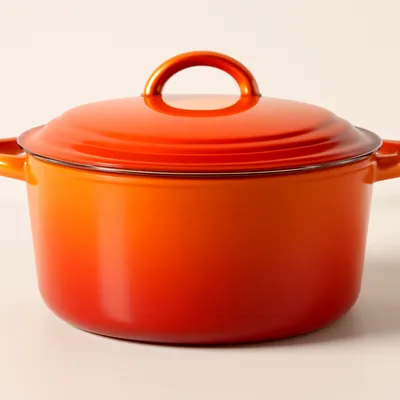
Two preserving and structuring techniques converge. The rice is boiled inside woven palm-leaf pouches so it cooks under pressure into a compact cake whose set starch holds its shape and soaks gravy without dissolving. The haruan is smoked, which both dries its surface and lays down phenolic smoke compounds that read as deep savoury flavour and help preserve the fish. The coconut sauce is kept deliberately thin and is barely simmered after the coconut milk goes in, so it stays fragrant and does not split; galangal, lemongrass, and kaffir lime are added late so their volatile oils survive into the bowl.
Variations
The fish is usually smoked haruan (snakehead), but gabus or other firm freshwater fish are used where haruan is scarce; some cooks add a fried-then-simmered fish for more texture. The gravy ranges from very thin and pale to slightly richer with more coconut. Some warungs serve it with a side of sambal or a hard-boiled egg, and a few use ketupat made in different leaf shapes, but the by-hand eating and the smoked-fish-and-coconut core stay constant.
On the Palate
Where Ketupat Kandangan sits in the Indonesian flavor cloud
Ingredients
Serves 4


How it's made
8 steps · 50 min active + 1 hour 10 min waiting
- 160 min
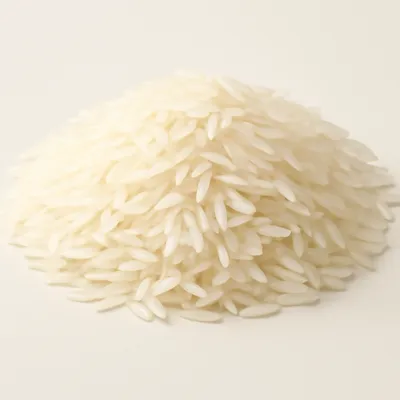
Fill woven palm-leaf pouches loosely with rice and boil submerged until the rice swells into firm, compact cakes, then cool and set.
- 225 min
Smoke the cleaned snakehead fish over low heat until the surface dries and takes on colour, then set aside.
Watch outSmoke the snakehead only until the surface dries and takes on color — the dried, smoky skin is what lends the deep savor and holds up in the gravy; rushing it leaves it wet and flavorless.
- 310 min
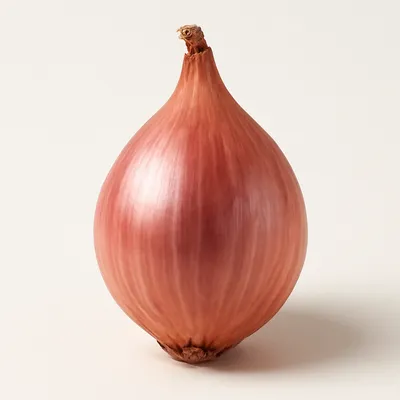
Grind shallots, garlic, candlenut, and turmeric into a smooth paste.
- 46 min
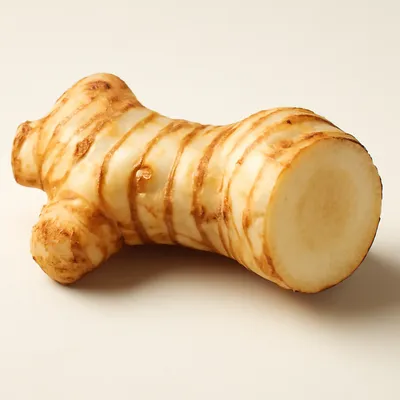
Saute the paste in oil with bruised lemongrass, sliced galangal, and kaffir lime leaves until fragrant.
- 58 min
Add water and bring to a gentle simmer, then lay in the smoked fish to absorb the spices.
- 612 min
Pour in coconut milk and simmer very gently, stirring, so the sauce stays thin and does not split; season with salt.
Watch outOnce the coconut milk goes in, keep it at the barest simmer and stir — let it boil hard and the sauce splits into oil and curds instead of staying thin and fragrant.
- 74 min
Open the ketupat, slice into chunks, and arrange in bowls with pieces of the smoked fish.
- 83 min
Ladle the hot coconut gravy over and serve, traditionally eaten by hand.
Archive tool suggestions — not reviewed
These legacy suggestions have not been evidence-reviewed and are not presented as required tools.